Article Directory
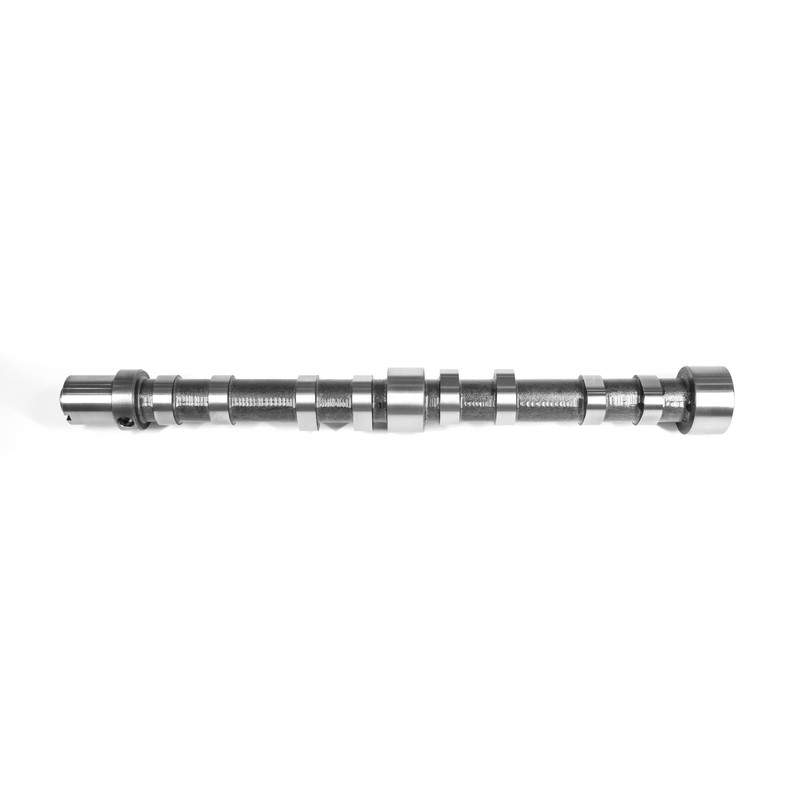
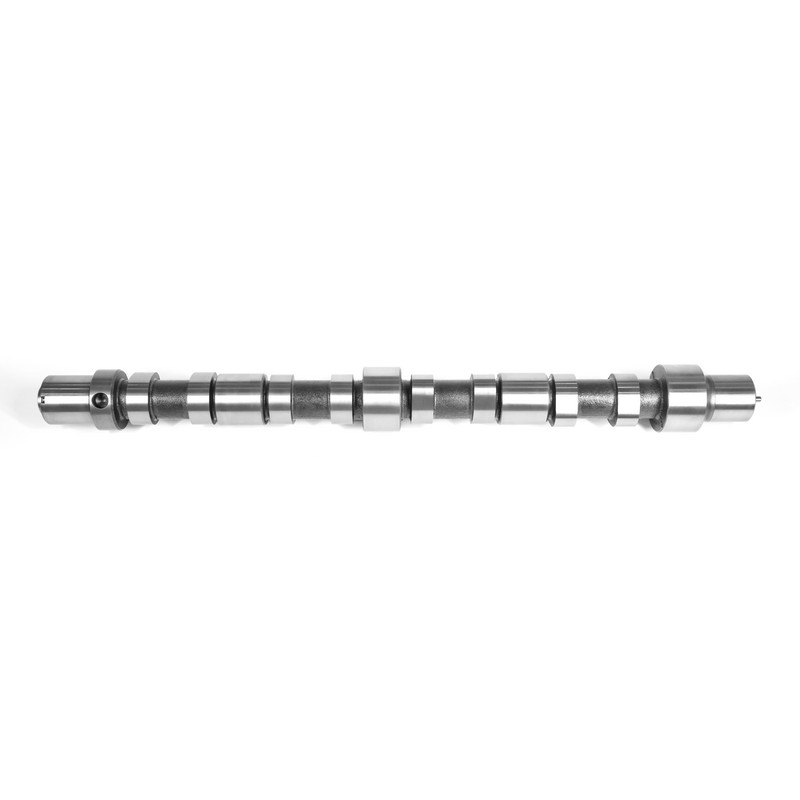
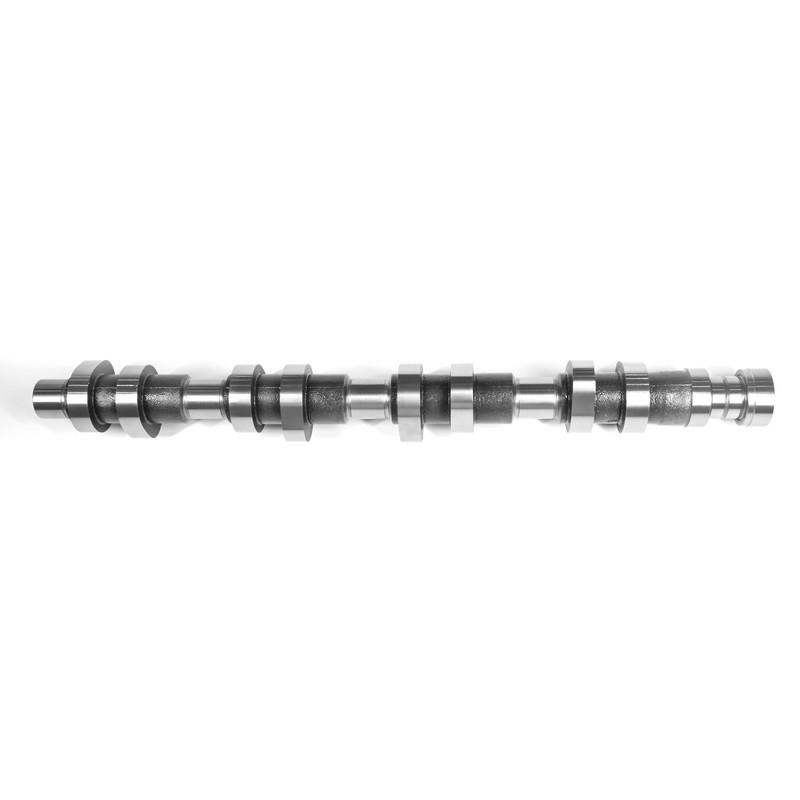
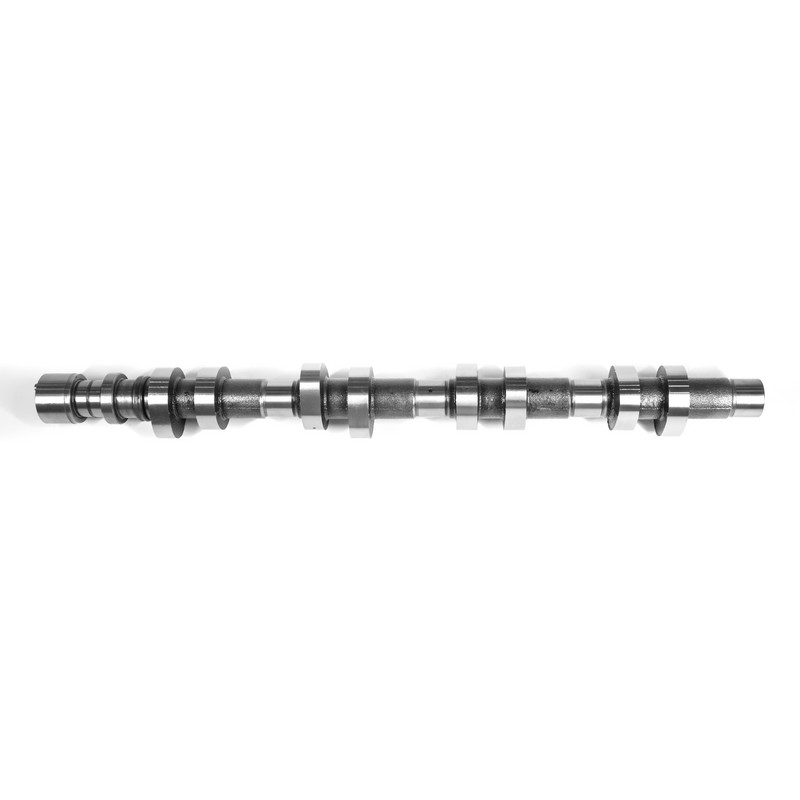
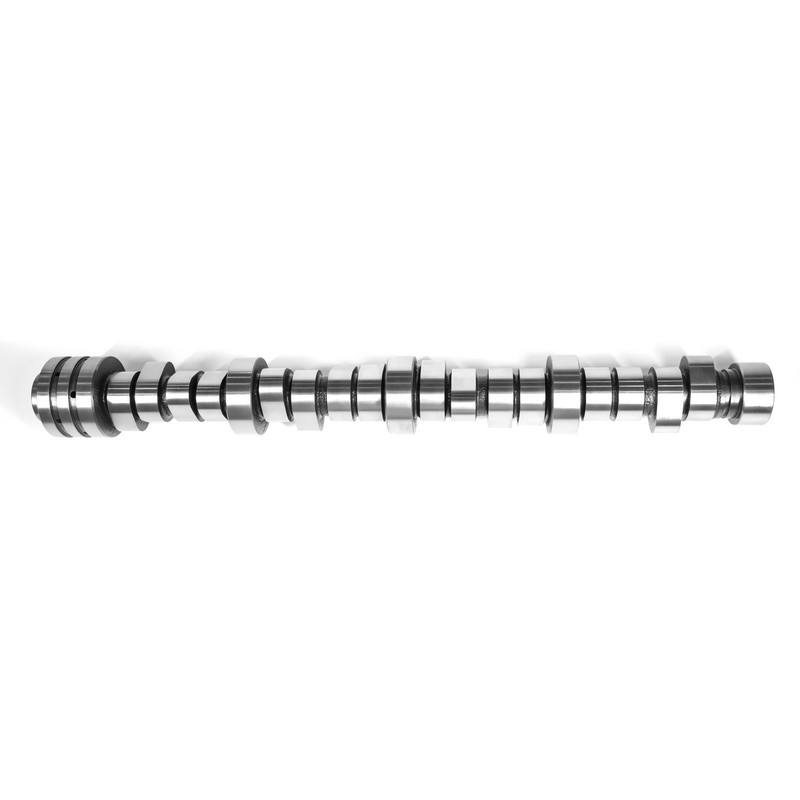
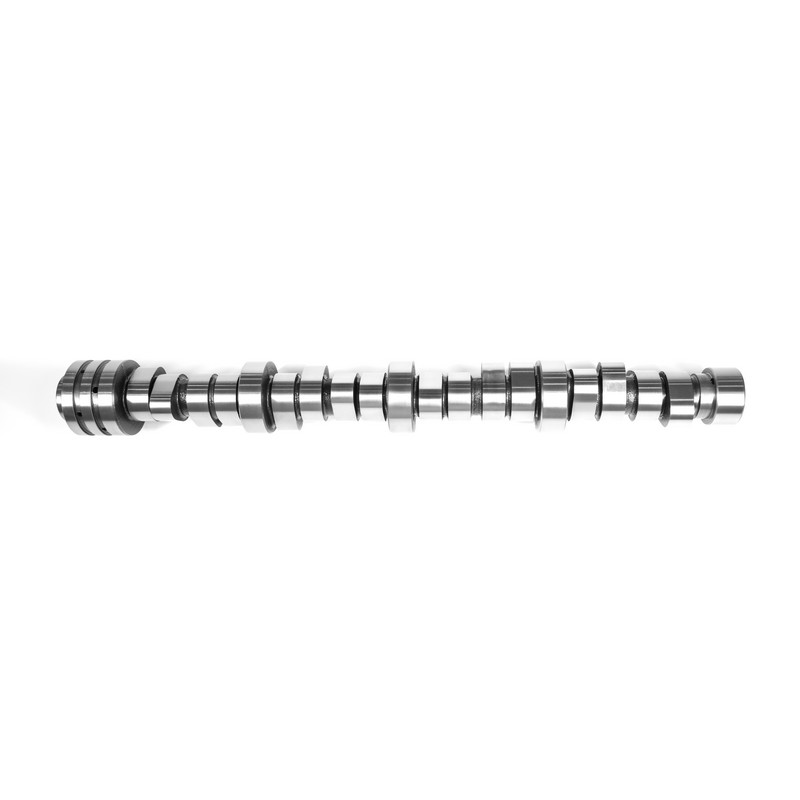
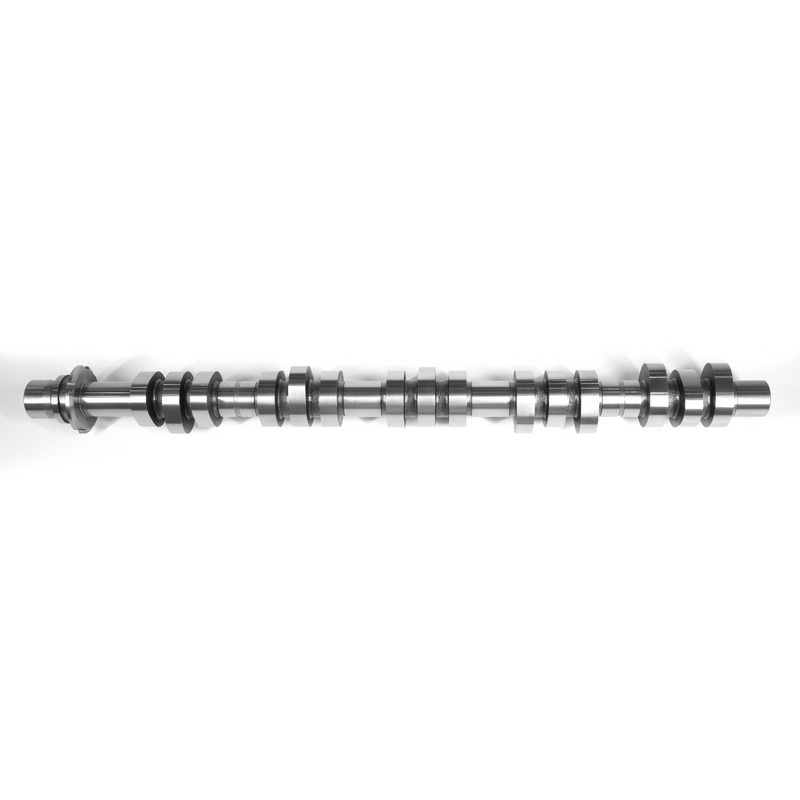
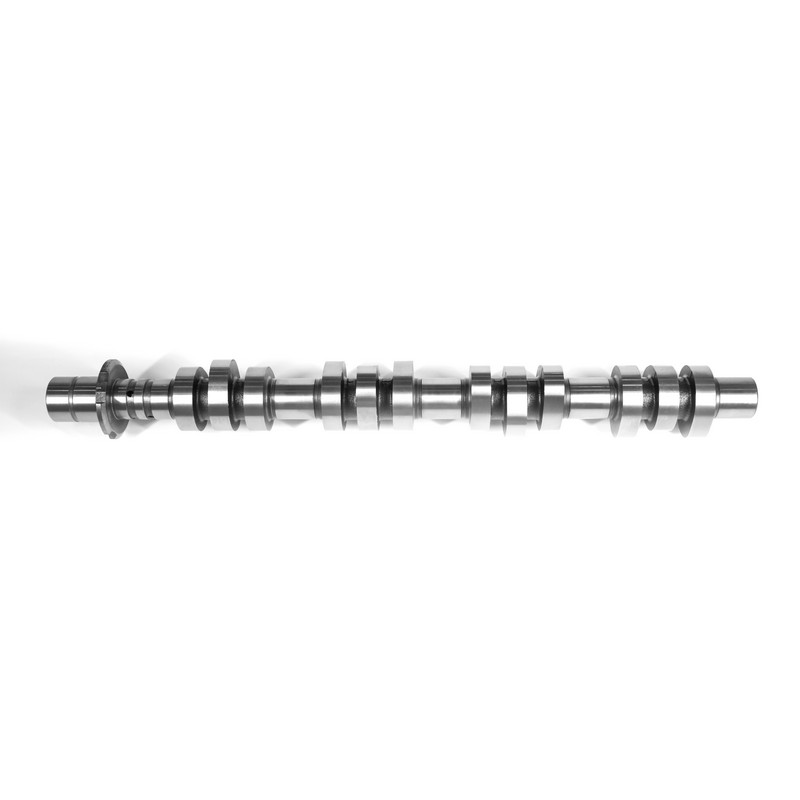
The camshaft is the "brain" of the internal combustion engine, responsible for the precise timing of valve actuation. In high-performance European engines, a FIAT car camshaft must maintain exacting tolerances to ensure optimal volumetric efficiency and emission control. Anhui KORBOR Machinery Co., Ltd., with 25 years of specialized experience since 1999, stands as a premier manufacturer in this field. Occupying a 22,000 square meter facility in Anhui, we utilize advanced heat treatments like carburizing and quenching to produce FIAT car camshaft units that meet IATF16949:2016 standards. For automotive engineers and technicians, recognizing the early signs of camshaft lobe wear is essential to preventing terminal engine damage. This guide details the technical symptoms of a failing camshaft and the engineering standards required for a reliable aftermarket camshaft replacement.
The most frequent indicator of a failing camshaft in FIAT engines is a persistent metallic ticking or tapping sound emanating from the cylinder head. This is often caused by worn camshaft lobes on FIAT models, where the sacrificial layer of the lobe has been compromised, leading to excessive valve lash. When comparing hydraulic lifter noise vs camshaft lobe wear, lifter noise often disappears once oil pressure stabilizes, whereas camshaft wear produces a constant rhythmic tap that increases with engine RPM. Utilizing high-performance alloys and specialized tempering, KORBOR ensures that every performance camshaft for FIAT cars resists the pitting and galling that lead to these acoustic anomalies.
| Symptom Source | Normal Operation | FIAT Car Camshaft Failure |
| Sound Profile | Smooth, consistent mechanical hum | Metallic ticking, "sewing machine" noise |
| Frequency | Balanced across all cylinders | Localized to specific valves/lobes |
| Impact of RPM | Increases in volume only | Increases in frequency and intensity |
When a FIAT car camshaft experiences lobe degradation, the lift and duration of the valves are reduced. This mechanical deviation results in an improper air-fuel mixture, leading to engine misfires due to camshaft wear. For owners asking why is my FIAT losing power at high RPM, the answer often lies in the camshaft's inability to open valves wide enough for peak flow. A high-precision FIAT camshaft manufacturing process, such as that employed at Anhui KORBOR, ensures that the profile of the lobe remains true to the design specifications over millions of cycles. Without this precision, the engine's timing becomes erratic, often triggering "Check Engine" lights for camshaft position correlation errors.
A failing camshaft is a source of "shrapnel" within the lubrication system. If you notice shiny metallic flakes during an oil change, it is a primary indicator of camshaft lobe galling. Because a FIAT car camshaft undergoes significant friction, KORBOR uses multi-level quality control and 1-stop service—from blank casting to finished product—to ensure surface hardness is uniform. When choosing between cast iron and steel camshafts for FIAT, engineers must consider the hardness required to prevent surface spalling. Aftermarket camshaft replacement parts must meet these metallurgical standards to prevent the catastrophic failure of the oil pump and bearings caused by circulating metal particles.
| Material Property | Standard Cast Iron | KORBOR High-Performance Alloy |
| Surface Hardness | Moderate (prone to pitting) | High (Quenched and Carburized) |
| Wear Resistance | Standard | Superior (Enhanced by 25 years of R&D) |
| Longevity | Variable based on oil quality | Consistent, high-mileage durability |
During a FIAT camshaft visual inspection guide procedure, any scoring, grooves, or "wiped" areas on the lobes are definitive proof of failure. The lobes should ideally have a mirror-like or smooth matte finish depending on the hardening process. Replacing a FIAT camshaft vs repairing is usually the only engineering-sound path, as regrinding often removes the hardened surface layer, leading to rapid subsequent failure. Professional technicians looking for where to buy a reliable FIAT camshaft should prioritize suppliers like Anhui KORBOR, who deliver more than 2.3 million sets annually, ensuring that custom camshaft solutions for FIAT engines are produced with the same consistency as original equipment.
A FIAT car camshaft failure is a serious mechanical issue that begins with subtle symptoms. By monitoring for abnormal ticking, power loss, and metallic debris, you can catch wear before it leads to total engine failure. Anhui KORBOR Machinery Co., Ltd. remains dedicated to the "zero defect" production concept, providing the global market with high-precision mass-produced camshafts. With a focus on innovation and environmental protection, KORBOR is your ideal partner for ensuring the longevity and performance of your automotive and motorcycle engines through superior craftsmanship.
The primary causes are poor lubrication, extended oil change intervals, and the use of low-quality oil that lacks the necessary ZDDP (zinc) additives for flat-tappet or high-pressure overhead cam designs.
It is not recommended. Once the hardened surface of the lobe is breached, wear accelerates rapidly, releasing metal particles into the oil that can damage your entire engine, including the turbocharger and bearings.
Precision manufacturing ensures that the lobe geometry is perfect. If the geometry is even slightly off, it creates uneven pressure points that cause localized heat and rapid material breakdown.
If the ignition and fuel systems are functional, the issue is likely mechanical. A worn camshaft lobe prevents the valves from opening fully, which chokes the engine's air intake at higher speeds.
High-performance alloys combined with heat treatments like carburizing provide a much deeper "case hardness," allowing the camshaft to withstand the extreme friction and pressure of a modern engine for hundreds of thousands of miles.
provide one-stop service from blank casting to finished product finishing, fundamentally control product stability, to ensure delivery.

 English
 中文简体
中文简体 русский
 Español



 闽公网安备35018102000203号