Article Directory
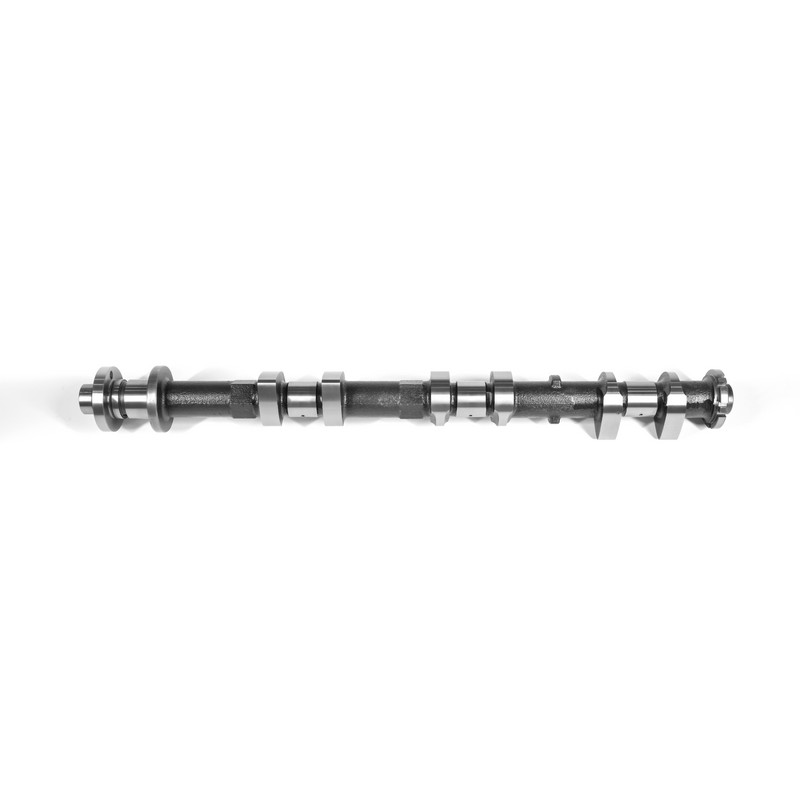
In the precision-driven world of internal combustion engines, the camshaft serves as the "brain," controlling the timing and lift of intake and exhaust valves. For technicians and engineers sourcing a NISSAN Camshaft, the debate often centers on the reliability of aftermarket components versus original equipment manufacturer (OEM) parts. The most definitive factor in this comparison is not just geometric accuracy, but the metallurgical integrity verified through rigorous camshaft material hardness testing. Anhui KORBOR Machinery Co., Ltd., with 25 years of specialized experience since 1999, understands that a high-performance NISSAN aftermarket camshaft must meet or exceed the surface hardness of the original to prevent premature lobe wipe-off. Operating under IATF16949:2016 standards, we utilize advanced tempering and carburizing to ensure our products withstand the extreme frictional loads of modern valvetrains.
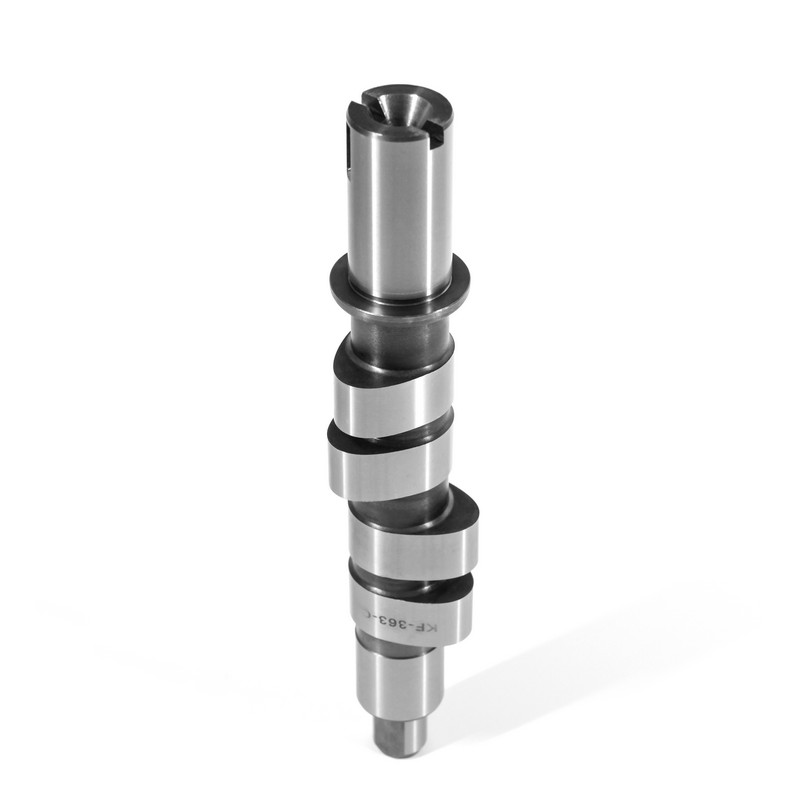
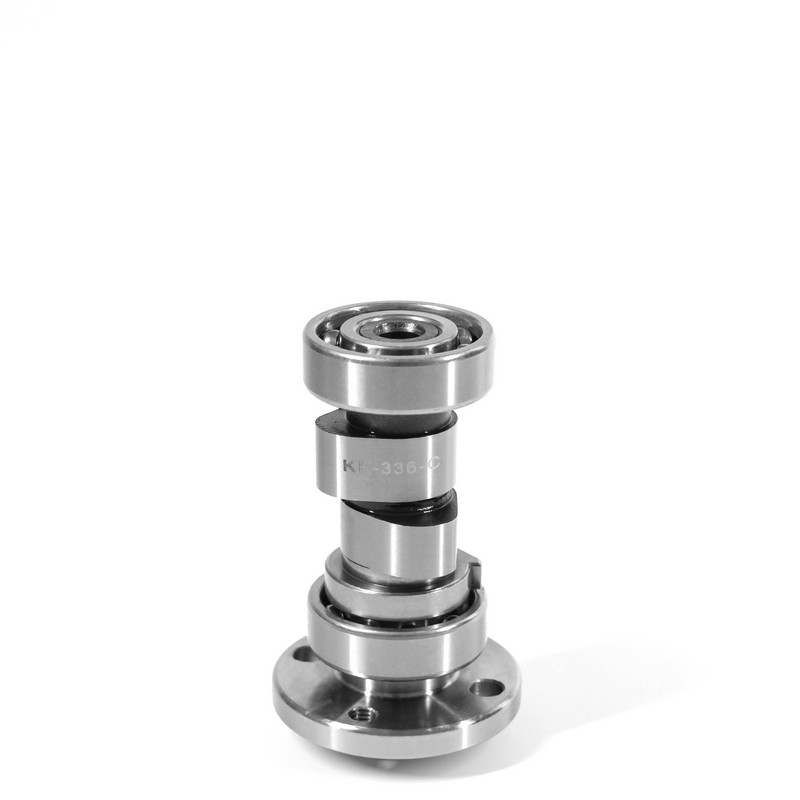
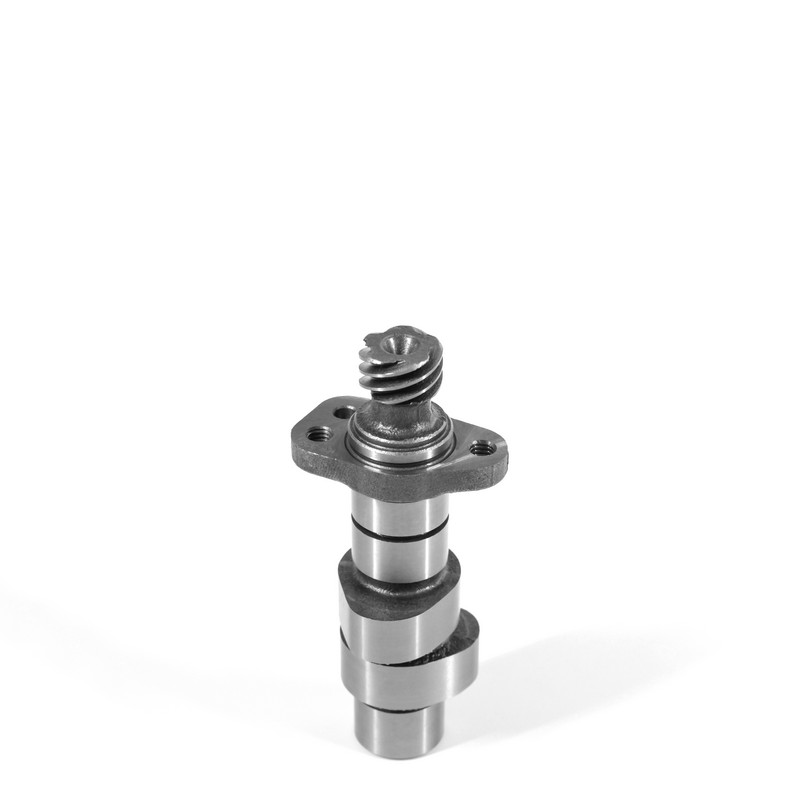
The interaction between the camshaft lobe and the lifter (or rocker arm) involves high Hertzian contact stress. To ensure a long-lasting NISSAN camshaft replacement, the surface must possess a specific Rockwell C (HRC) hardness. While genuine NISSAN camshaft hardness specs are designed to last the lifetime of the vehicle, inferior aftermarket parts often skip expensive heat treatment steps, leading to "soft" lobes that flatten under high RPM. When comparing forged vs cast NISSAN camshafts, forged variants typically offer better grain structure, but both require induction hardening or carburizing to achieve the necessary 55-62 HRC. At Anhui KORBOR, we implement camshaft heat treatment for NISSAN engines, specifically quenching and tempering, to create a hardened "case" while maintaining a tough, ductile core to prevent snapping.
| Hardness Factor | Generic Aftermarket | NISSAN Camshaft (KORBOR Standard) |
| Surface Hardness (HRC) | 45 - 50 HRC (Inconsistent) | 58 - 62 HRC (Consistent) |
| Core Ductility | Brittle (Poor tempering) | High (Controlled Carburizing) |
| Wear Resistance | Low (Prone to flattening) | Superior (Anti-frictional alloy) |
NISSAN engines, particularly those with Variable Valve Event and Lift (VVEL) or traditional dual-overhead-cam (DOHC) setups, are sensitive to symptoms of a worn NISSAN camshaft, such as ticking noises and misfires. If the camshaft material hardness testing reveals a deviation from the required profile, the lubrication film becomes insufficient to protect the metal-on-metal contact. How to check NISSAN camshaft quality involves not only checking the journal diameters but also utilizing a micro-hardness tester on the lobe peaks. For those upgrading to a NISSAN performance camshaft for racing, the hardness must be even more robust to handle aggressive ramp angles and stiffer springs. Anhui KORBOR produces over 2.3 million sets annually, ensuring that NISSAN camshaft lobe wear patterns remain within "zero defect" tolerances through multi-level quality control.
| Maintenance Metric | OEM/High-End Aftermarket | Sub-standard Aftermarket |
| Lobe Lift Loss (100k miles) | < 0.01 mm | > 0.50 mm (Failure) |
| Oil Contamination | Negligible | High (Metallic particulates) |
| Performance Retention | 99% Efficiency | Significant power loss |
Achieving a high-performance NISSAN aftermarket camshaft requires total control from blank casting to finished product. As a leading manufacturer with a 28,000 square meter facility, Anhui KORBOR manages every step of the NISSAN Camshaft production cycle. By selecting high-performance alloys and adhering to the best aftermarket NISSAN camshaft brands standards (Strategic cooperation with global leaders), we ensure that every batch—whether for 800 automotive models or 600 motorcycle models—is identical in quality. Our iterative process ensures that we provide NISSAN camshaft installation tips backed by 25 years of engineering innovation, helping our partners achieve sustainable success while complying with strict environmental standards.
In summary, camshaft material hardness testing is the non-negotiable line between a reliable engine and a catastrophic failure. While genuine parts set the benchmark, a professional aftermarket
Even with high camshaft material hardness testing results, the microscopic peaks of the lobe and lifter must "mate." Using high-zinc assembly lube during the first 20 minutes of operation is critical for long-term health.
The most frequent signs include persistent valvetrain "clacking," reduced engine power, frequent misfires (P0300 codes), and visible scoring or flattening on the lobe peaks when the valve cover is removed.
Professionals use a Rockwell hardness tester on a non-functional part of the lobe (if possible) and check the surface finish (Ra value) with a profilometer. A mirror-like finish is often a sign of high-precision grinding.
Yes. Aftermarket performance cams can offer optimized duration and lift profiles for increased horsepower, provided they maintain the same camshaft heat treatment for NISSAN engines as the original.
While cast iron is common, heavy-duty applications often require ductile iron or forged steel with advanced camshaft material hardness testing to handle the increased load and heat cycles.

 English
 中文简体
中文简体 русский
 Español



 闽公网安备35018102000203号