Article Directory
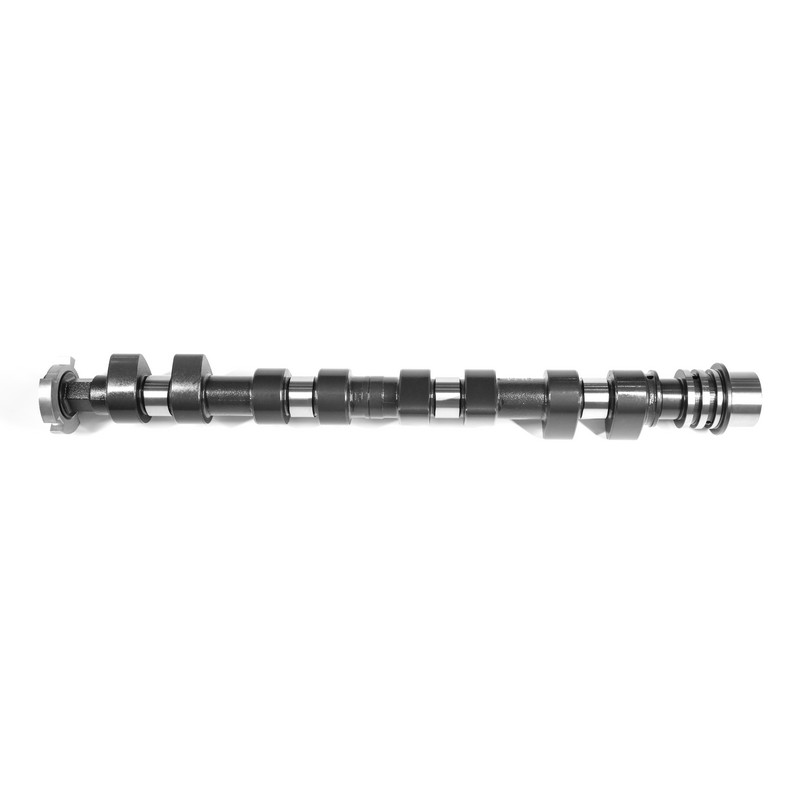
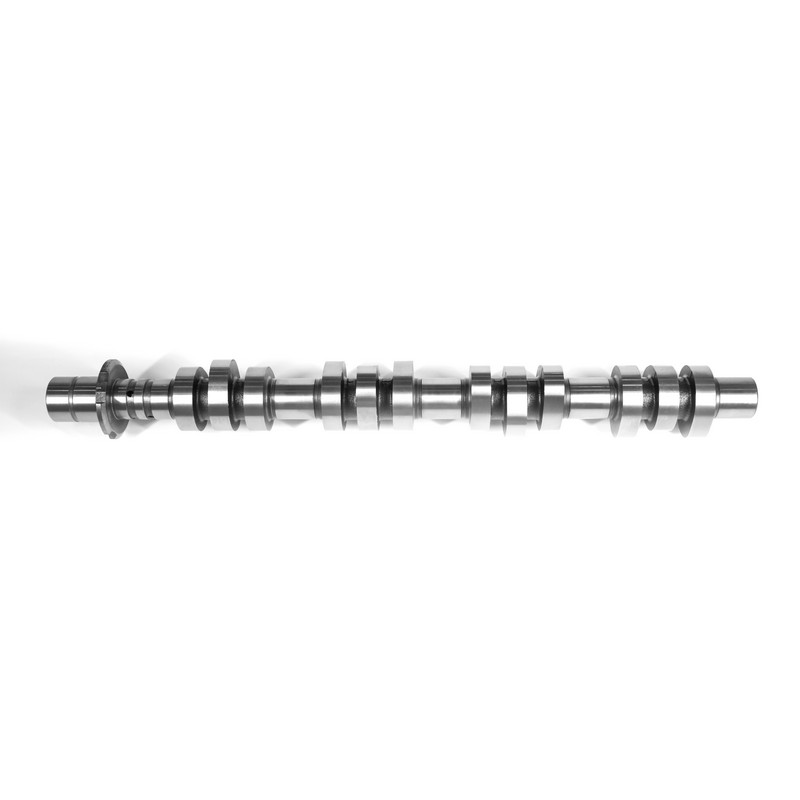
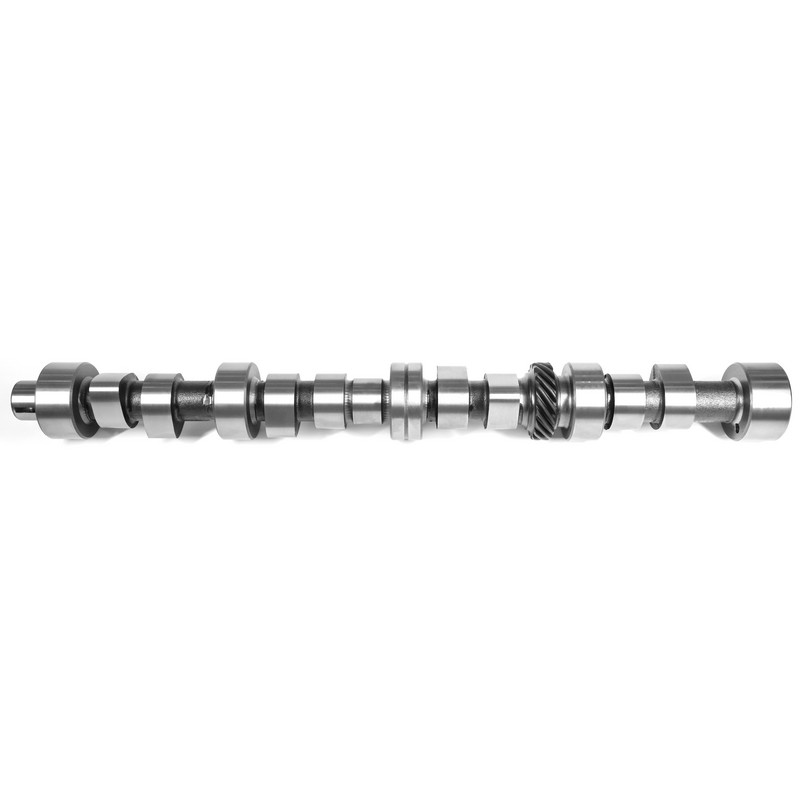
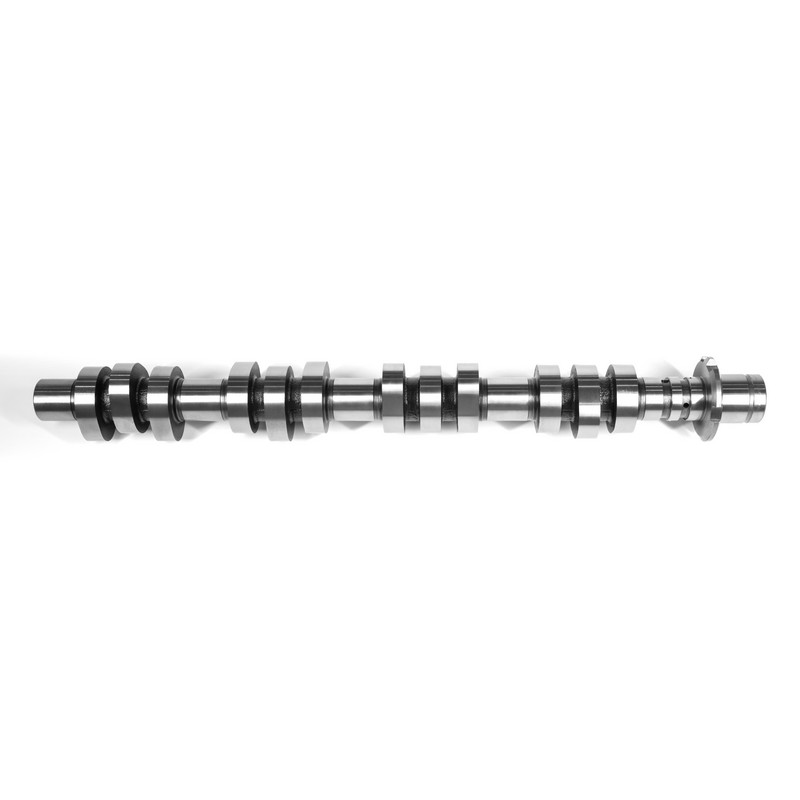
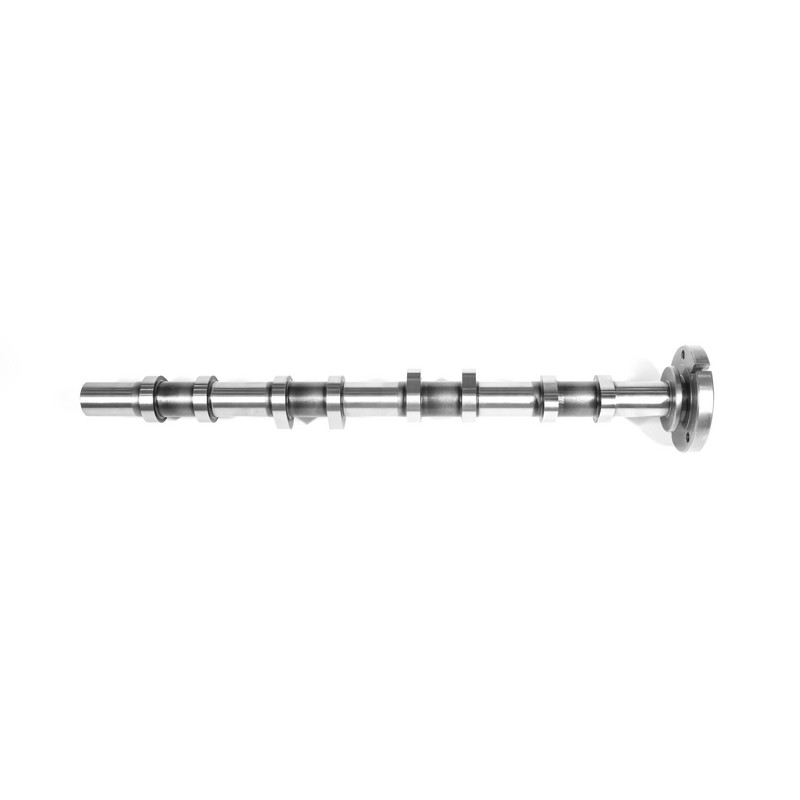
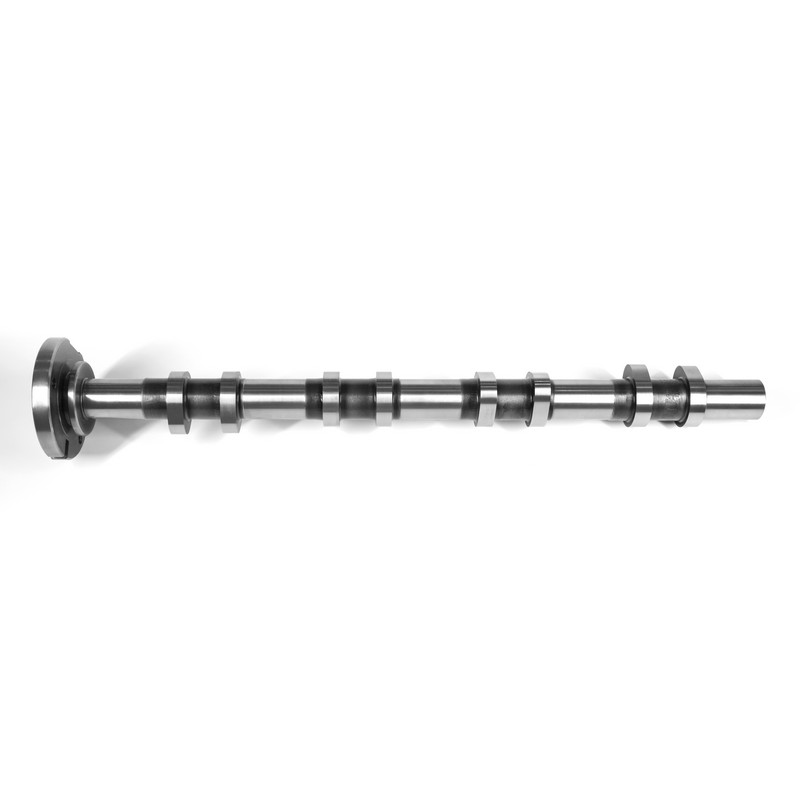
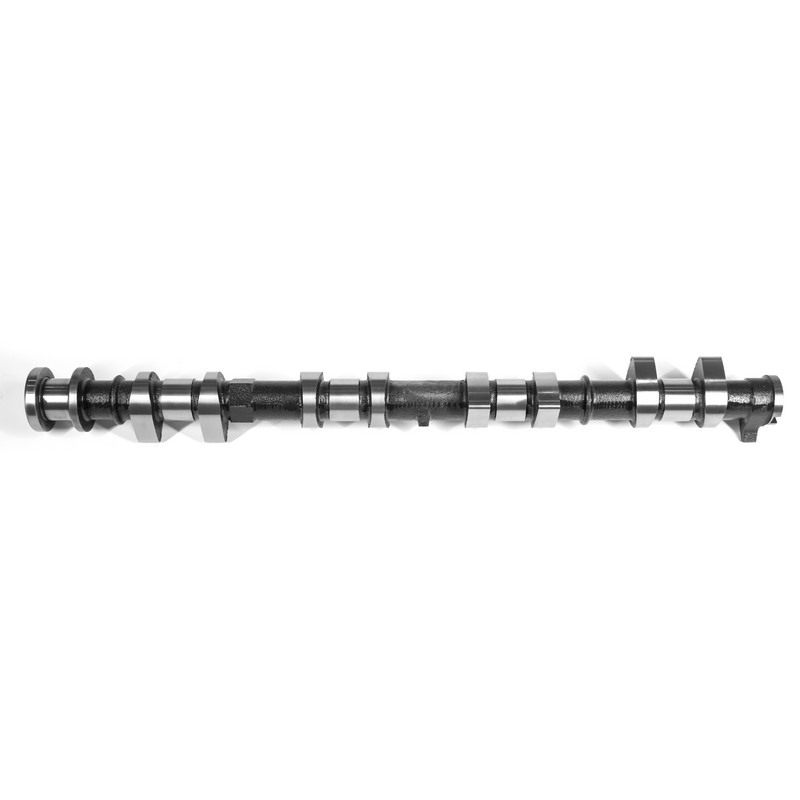
Anhui KORBOR Machinery Co., Ltd., originally established in 1999 and now operating a 22,000 square meter facility in Anqing, Anhui, is a premier manufacturer specializing exclusively in high-precision engine components. With 25 years of metallurgical innovation and a total investment exceeding 100 million yuan, KORBOR adheres to the IATF16949:2016 standard, maintaining a "zero defect" production philosophy. Our 1-stop service spans from blank casting to finished products, delivering over 2.3 million sets annually to the global market. For late-model NISSAN Pathfinders, the NISSAN Camshaft is a critical mechanical heart requiring strict adherence to torque specifications and timing alignment. Replacing these shafts in the VQ35DD or similar V6 platforms demands a high level of engineering discipline and a comprehensive understanding of overhead cam (OHC) architecture.
The labor hours for NISSAN Pathfinder camshaft replacement typically range from 10 to 14 hours, depending on whether the technician is servicing the left (bank 2) or right (bank 1) cylinder head. Because these engines utilize a complex timing chain system rather than a belt, a significant portion of the Pathfinder V6 camshaft labor time is dedicated to the removal of the front timing cover, intake plenum, and valve covers. Engineers must account for the NISSAN variable valve timing (VVT) calibration during reassembly, which adds approximately 1.5 to 2 hours of diagnostic and synchronization time. KORBOR ensures that every NISSAN Camshaft we produce meets high-precision mass production standards, reducing the need for extensive shim adjustments during the installation of our over 800 automotive models.
A successful installation requires more than just the shaft; a specific NISSAN camshaft hardware list must be followed to ensure the longevity of the valvetrain. KORBOR selects high-performance alloys subjected to rigorous heat treatment processes, including carburizing and quenching, to achieve a surface hardness of HRC 55-62. When sourcing a replacement NISSAN camshaft kit, the following hardware is mandatory for late-model Pathfinders:
| Hardware Component | Material / Specification | Technical Function |
| Camshaft Thrust Plates | Case-Hardened Steel | Controls axial end-play (0.05mm - 0.15mm) |
| VCT Phaser Bolts | Grade 12.9 (Torque-to-Yield) | Secures variable cam timing sprocket |
| Valve Tappets (Buckets) | DLC Coated or Polished Alloy | Maintains Ra surface finish < 0.2 um |
| Timing Chain Tensioner | Hydraulic Ratcheting Type | Ensures constant chain tension |
| Camshaft Position Sensors | Magnetic Hall Effect | Monitors rotational phase for ECU |
The synchronization of NISSAN 3.5L camshafts is governed by the primary and secondary timing chains. A common technical query is How to align NISSAN Pathfinder timing marks correctly; this involves aligning the colored links on the chain with the etched punch marks on the KORBOR camshaft sprockets. Any deviation in the camshaft lobe profile accuracy could trigger a P0011 or P0021 diagnostic code. To prevent camshaft journal scoring in NISSAN engines, technicians must verify that the oil galleries are free of debris and that the camshaft bridge bolts are torqued in the specific sequence defined by the service manual. Our commitment to environmental protection and clean production ensures that every high-performance NISSAN camshaft is delivered free of residual grinding media, protecting the engine's hydrodynamic bearings from day one.
To ensure NISSAN engine reliability after camshaft swap, the hardness and wear resistance of the lobes must be verified against ASTM standards. KORBOR uses tempering and quenching to significantly enhance the tensile strength of automotive camshafts, ensuring they survive the high-pressure environment of direct-injection fuel pumps driven by the cam lobe. Testing NISSAN camshaft lobe lift with a dial indicator post-installation is the final engineering check to confirm that the valve lift matches the 10.5mm to 11.0mm factory specifications. By providing mature technology and diversified solutions, KORBOR helps global partners achieve stable quality in the mass production of NISSAN aftermarket parts, establishing strategic cooperation through craftsmanship and punctual delivery.
Q1: Why is "carburizing" necessary for a NISSAN Camshaft?
A1: Carburizing diffuses carbon into the surface of the alloy steel, creating a high-hardness outer "case" while maintaining a tough, ductile core. This allows the cam to resist the high-contact stress of the valve lifters without fracturing under impact.
Q2: Do I need to replace the timing chain when replacing a camshaft?
A2: While not strictly required, it is the industry standard for "best practice." Given the 10+ hours of labor to access the area, installing a new chain and guides ensures that the NISSAN camshaft synchronization remains perfect for the next 100,000 miles.
Q3: What is the maximum allowable runout for a KORBOR NISSAN camshaft?
A3: Following IATF16949 standards, our high-precision shafts maintain a total indicated runout (TIR) of less than 0.02mm to prevent vibration and uneven bearing wear.
Q4: How does the VQ35DD direct injection pump affect camshaft choice?
A4: The high-pressure fuel pump (HPFP) is driven by a specialized lobe on the camshaft. This lobe is subjected to extreme force; therefore, only shafts with validated heat treatment and material density should be used to avoid pump failure.
Q5: Can I reuse the camshaft bearing bridge bolts?
A5: NISSAN engineering usually specifies these as "single-use" or provides strict stretch-limit checks. We recommend new bolts to ensure the clamping force is uniform across the entire journal surface.
provide one-stop service from blank casting to finished product finishing, fundamentally control product stability, to ensure delivery.

 English
 中文简体
中文简体 русский
 Español




 闽公网安备35018102000203号