Article Directory
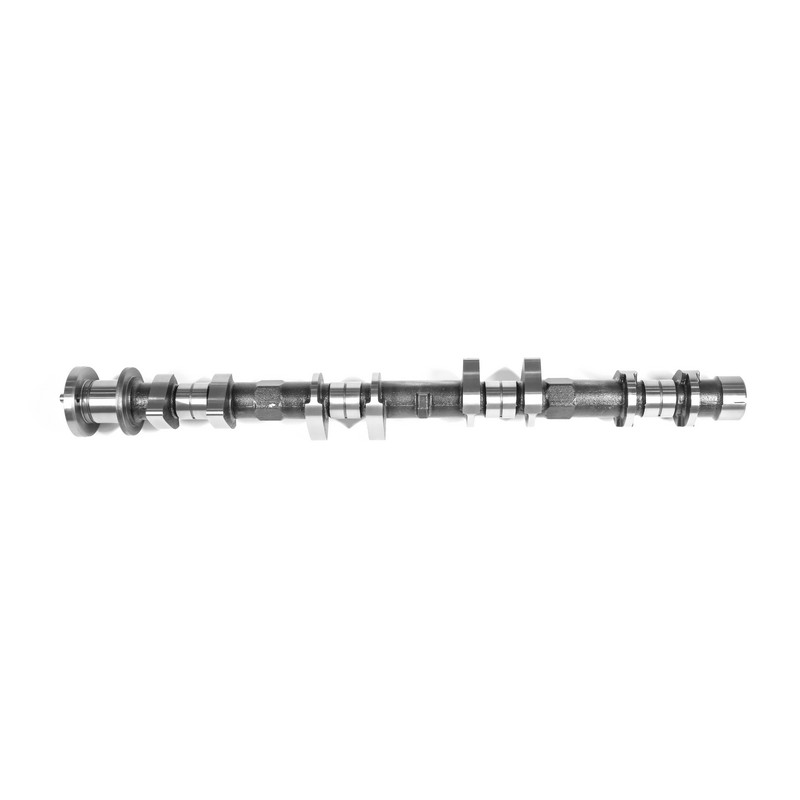
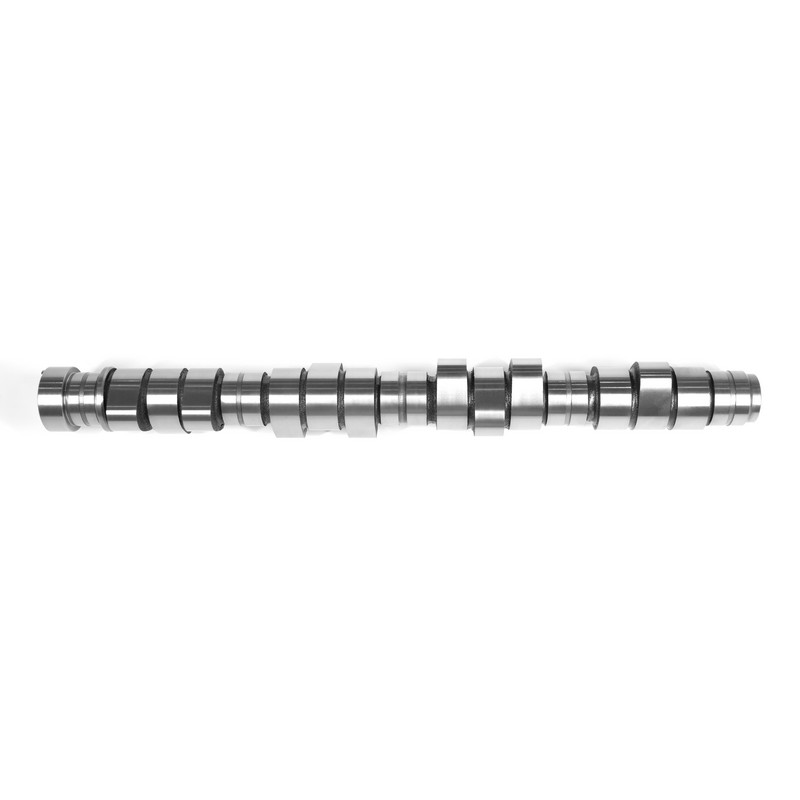
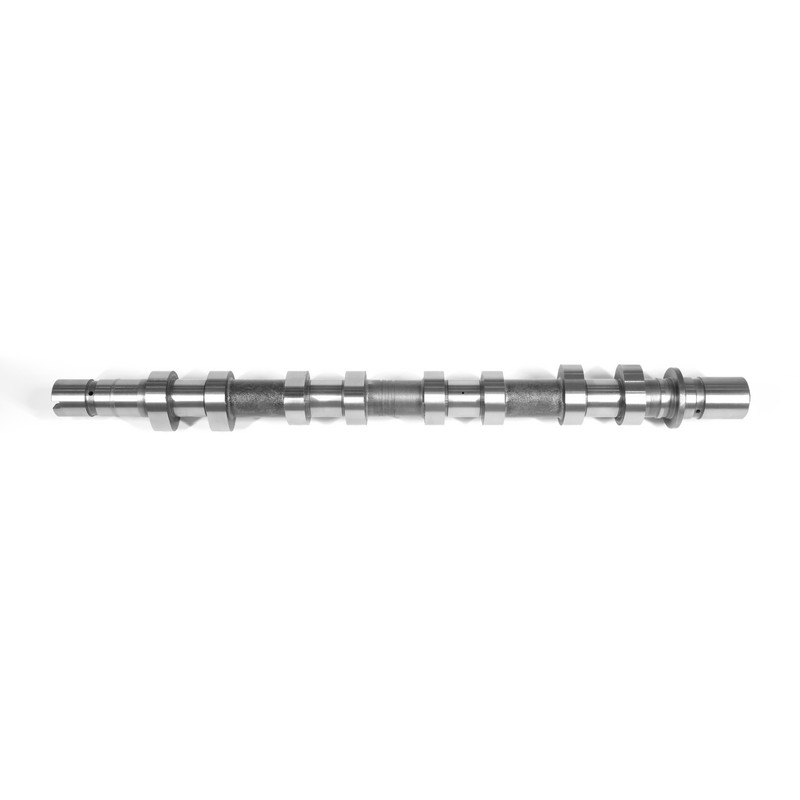
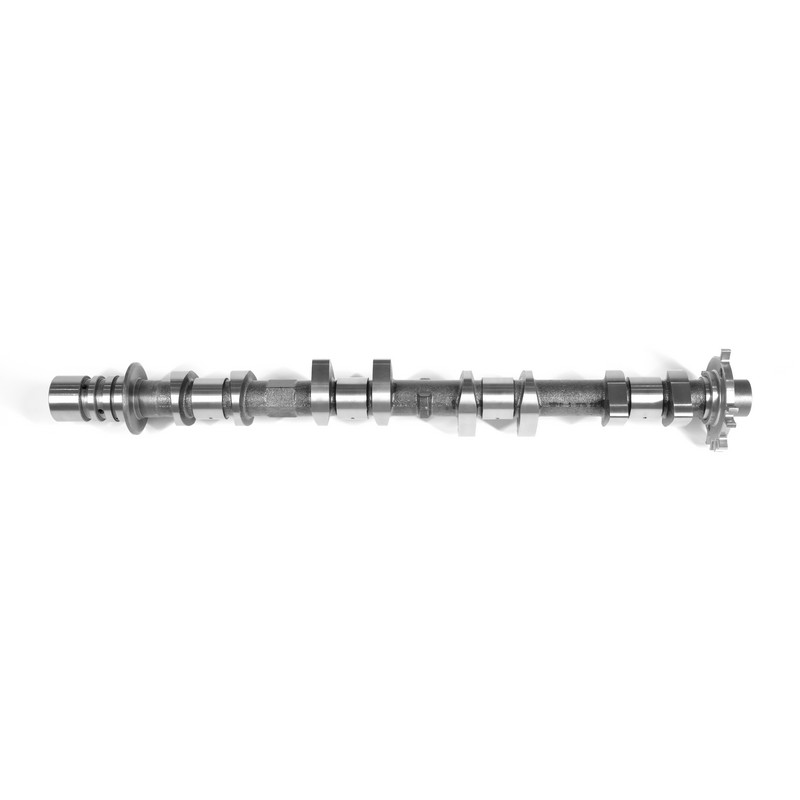
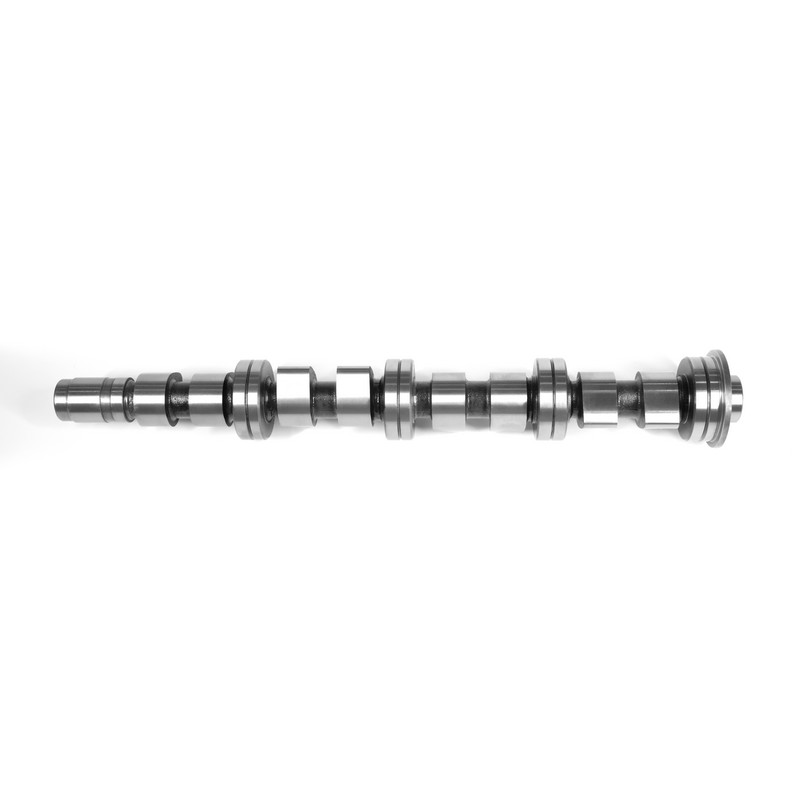
Installing high-performance ford racing camshafts in a classic 302 Windsor (SBF) engine is a proven method to unlock significant horsepower and torque. However, the increased lobe lift and aggressive ramp rates of modern profiles necessitate a comprehensive look at the valvetrain, specifically the valve springs. Anhui KORBOR Machinery Co., Ltd., with 25 years of specialized experience in high-precision camshaft manufacturing, understands that the synergy between the cam lobe and the spring is vital for engine longevity. As a premier manufacturer following IATF16949:2016 standards, we emphasize that performance camshafts for ford 302 applications must be paired with springs capable of managing high-RPM inertia and preventing valve float.
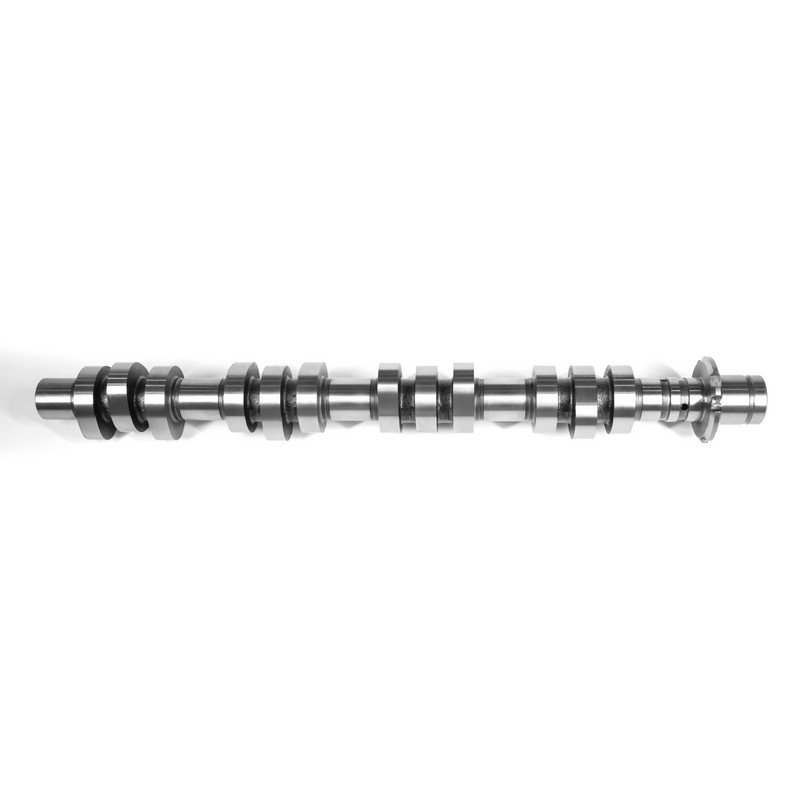
The primary function of a valve spring upgrade is to ensure the valve stays in contact with the cam follower throughout the entire cycle. When moving to a high lift cam for ford 302 windsor, the factory springs typically lack the "seat pressure" to closed the valve quickly enough at high RPM, and the "open pressure" to handle the increased lift without losing control. Upgrading to specialized single or dual springs provides the necessary force to overcome the momentum of the valvetrain components. While stock springs may only provide 80-90 lbs of seat pressure, high-lift racing profiles often require 110-130 lbs to maintain stability.
| Specification | Stock 302 Windsor Springs | Upgraded Performance Springs |
| Seat Pressure (Closed) | ~80 lbs @ 1.600" | 110 - 135 lbs @ 1.600" - 1.700" |
| Open Pressure (At Max Lift) | ~200-230 lbs | 280 - 350+ lbs |
| Max Valve Lift Capacity | Up to .450" | .550" - .600"+ |
Source: SAE J604:2024 Engine Terminology and Valve Train Performance Standards
Coil bind occurs when a valve spring is compressed to the point that the wire coils touch each other, effectively turning the spring into a solid metal cylinder. When installing ford racing camshafts with higher lift than the original equipment, the risk of coil bind increases significantly. A critical safety margin of at least .060" must exist between the full-lift position and the coil bind height. Furthermore, upgrading 302 windsor valvetrain components often requires new chromoly retainers to ensure they do not interfere with the valve stem seals at maximum lift.
Unlike standard springs that may have a low "solid height," performance springs are engineered with advanced alloys that allow for more travel within a shorter installed height, providing the clearance needed for aggressive sbf 302 roller cam specs profiles.
| Safety Parameter | Standard Spring Configuration | Competition Spring Setup |
| Coil Bind Safety Margin | Often < .030" with high lift | Maintained at .060" minimum |
| Retainer Material | OEM Stamped Steel | Machined Chromoly or Titanium |
| Valve Stem Seal Clearance | Limited | Optimized for high-lift travel |
Source: ISO 898-1:2025 Mechanical properties of fasteners and engine valvetrain components
At Anhui KORBOR, we focus on the metallurgical integrity of our camshafts using carburizing and quenching to ensure wear resistance. Similarly, valve springs must be manufactured from high-tensile wire, such as silicon-chrome alloy, to resist "heat set" or losing pressure over time. Modern 302 windsor valve spring pressure requirements are more demanding due to the increased cylinder pressures found in tuned engines. According to 2024-2025 industry technical reports, the adoption of "beehive" spring designs has increased by 15% in SBF builds because they reduce the reciprocating mass of the retainer, allowing for even higher RPM stability with less total spring pressure.
Source: Global Industrial Materials and Automotive Alloy Trend Report 2025
Every cam profile has specific needs. A high lift cam for ford 302 windsor designed for street use will have different ramp rates than a dedicated drag racing cam. It is essential to match the spring's "rate" (the amount of force required to compress the spring one inch) to the cam's aggressiveness. KORBOR's production of over 2.3 million sets of camshafts annually across 800 models gives us a unique perspective on the importance of this match. Using a spring that is too stiff can cause excessive wear on the cam lobes and followers, while a spring that is too weak leads to valve float and potential engine failure.
Upgrading your valve springs is not an "optional" step when installing high-lift ford racing camshafts; it is a foundational requirement for performance and reliability. By ensuring proper 302 windsor valve spring pressure and coil bind clearances, you protect your investment and allow the engine to breathe efficiently at higher RPM. Anhui KORBOR Machinery Co., Ltd. continues to drive innovation from our 28,000 square meter facility, providing the precision-crafted camshafts that serve as the heart of these high-performance systems. Trust in our 25 years of exquisite craftsmanship for your next engine build.
provide one-stop service from blank casting to finished product finishing, fundamentally control product stability, to ensure delivery.

 English
 中文简体
中文简体 русский
 Español



 闽公网安备35018102000203号