Article Directory
AUTOBIANCHI Car Camshaft is a critical component of the engine, directly impacting valve timing, airflow, and overall performance. Understanding common wear causes and implementing proper maintenance techniques is essential to maximize lifespan and efficiency, especially for high-performance or high-mileage applications.
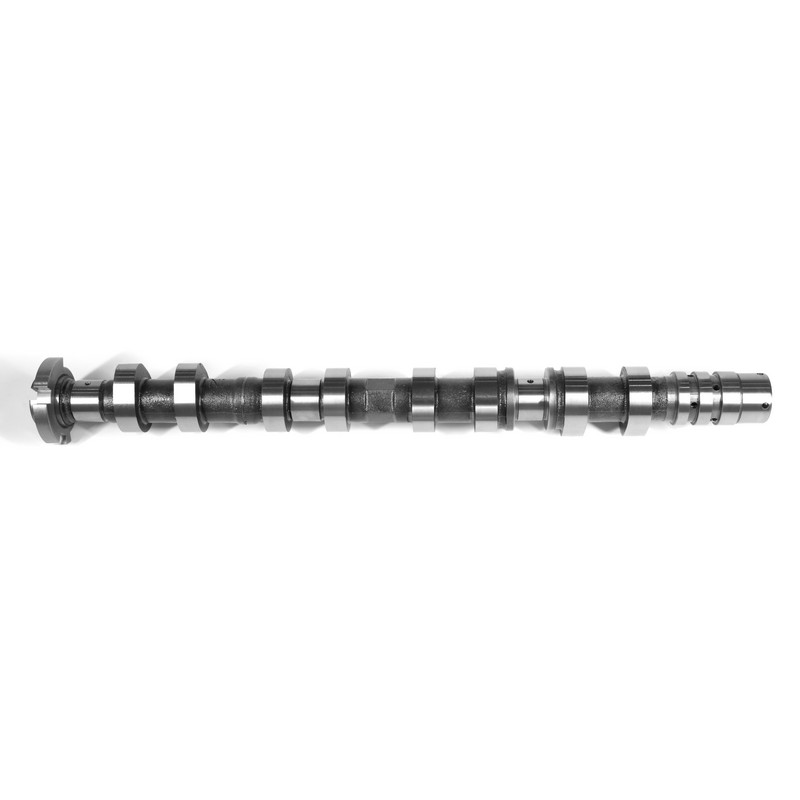
Understanding AUTOBIANCHI camshaft material durability helps in diagnosing engine issues early. Major wear factors include:
| Wear Cause | Effect | Preventive Measure |
|---|---|---|
| Insufficient Lubrication | Increased friction, surface pitting | Follow AUTOBIANCHI camshaft lubrication guide |
| High Thermal Stress | Micro-cracks and metal fatigue | Limit high-RPM operation and monitor temperature |
| Contaminated Oil | Micro-scoring on lobes | Use high-quality oil and regular filtration |
| Incorrect Valve Spring | Lobe deformation, uneven wear | Ensure correct spring selection and calibration |
| Corrosion | Material degradation, rust formation | Maintain clean engine environment and proper storage |
Regular AUTOBIANCHI engine camshaft inspection is crucial for early detection of wear and preventing catastrophic engine failure.
Adhering to AUTOBIANCHI camshaft lubrication guide is vital. Proper maintenance extends the camshaft lifespan and reduces engine downtime.
| Maintenance Task | Benefit | Recommended Frequency |
|---|---|---|
| Oil Change with High-Quality Lubricant | Reduces abrasive wear and thermal damage | Every 5,000–7,500 km or per manufacturer recommendation |
| Valve Clearance Adjustment | Prevents uneven lobe wear | Every 10,000 km or as specified |
| Inspection of Lifters and Followers | Ensures proper cam lobe engagement | Every 15,000 km or during major service |
| Engine Oil Filtration Check | Removes contaminants that cause scoring | With every oil change |
| Environment Protection & Storage | Prevents corrosion during downtime | Always maintain clean and dry conditions |
Following AUTOBIANCHI camshaft maintenance tips ensures optimal performance:
Primary causes include insufficient lubrication, high thermal stress, contaminated oil, incorrect valve spring tension, and corrosion. Early detection through inspection and proper maintenance is essential.
High-quality oil changes should be performed every 5,000–7,500 km. Always adhere to manufacturer recommendations for lubricant type and additive packages to prevent abrasive and thermal wear.
Use micrometers and dial gauges to measure lobe lift, inspect visually for scoring and cracks, check followers and lifters, and conduct oil analysis for metal particles.
Yes. Worn cam lobes can cause reduced valve lift, improper timing, and inefficient combustion. This may lead to lower torque, increased fuel consumption, and potential engine damage.
Use high-strength alloy camshafts, maintain correct lubrication, perform regular inspections, adjust valve clearances, ensure proper oil filtration, and monitor engine temperatures to minimize wear.
provide one-stop service from blank casting to finished product finishing, fundamentally control product stability, to ensure delivery.

 English
 中文简体
中文简体 русский
 Español



 闽公网安备35018102000203号