Article Directory
A worn or damaged camshaft rarely announces itself quietly. Rough idle, sluggish acceleration, and unusual valve-train noise are all signs that the timing component controlling your engine's breathing has reached the end of its service life. Choosing the right Ford car camshaft for a replacement job means matching engine specifications precisely, verifying manufacturing quality, and knowing what separates a reliable supplier from a risky one.
A camshaft controls the opening and closing timing of an engine's intake and exhaust valves, working in coordination with timing belts, chains, and gears to keep every cylinder firing in sequence. That timing directly shapes combustion efficiency, which means a camshaft in poor condition affects everything from fuel economy to raw engine output.
Replacement typically becomes necessary after long-term wear, damaged cam lobes, poor lubrication history, or engine timing problems that trace back to the camshaft itself. None of those issues improve on their own, which is why identifying the correct replacement part quickly matters to any repair timeline.
The replacement must match the engine model, correct specifications, and proper installation requirements exactly.
Machining accuracy, material strength, and surface finishing all determine how the part performs once installed.
Passenger vehicles, commercial vehicles, and different driving conditions all place different demands on the part.
Different Ford engines require different camshaft designs, and installing an incorrect match can throw off valve timing enough to affect engine performance or, in some cases, cause internal damage. Proper specifications are what keep the engine operating stably once the new part is installed.
Accurate timing improves combustion efficiency and supports smooth, consistent engine operation across the full RPM range.
A well-manufactured camshaft resists premature wear, reducing the chance of early failure after installation.
Precise dimensions ensure the camshaft coordinates correctly with every other timing component in the engine.
Relative strength and wear resistance across common camshaft materials. Material choice directly shapes service life and overall engine reliability.
Quality control tracks the camshaft through the entire process. Dimensional inspection confirms the part meets exact specifications, hardness testing verifies the heat treatment achieved the intended result, surface inspection checks for finishing defects, and performance testing confirms the finished camshaft behaves as expected before it ships.
Unusual mechanical sounds from the valve train often point to cam lobe wear or damage.
Power loss and unstable operation frequently trace back to incorrect valve timing.
Inefficient combustion caused by timing issues shows up quickly at the pump.
Incorrect valve operation is one of the clearest signals a camshaft is failing.
The right choice depends on the specific application, available budget, and the quality requirements of the job at hand. Both categories can deliver reliable results when sourced from a supplier with strong manufacturing controls.
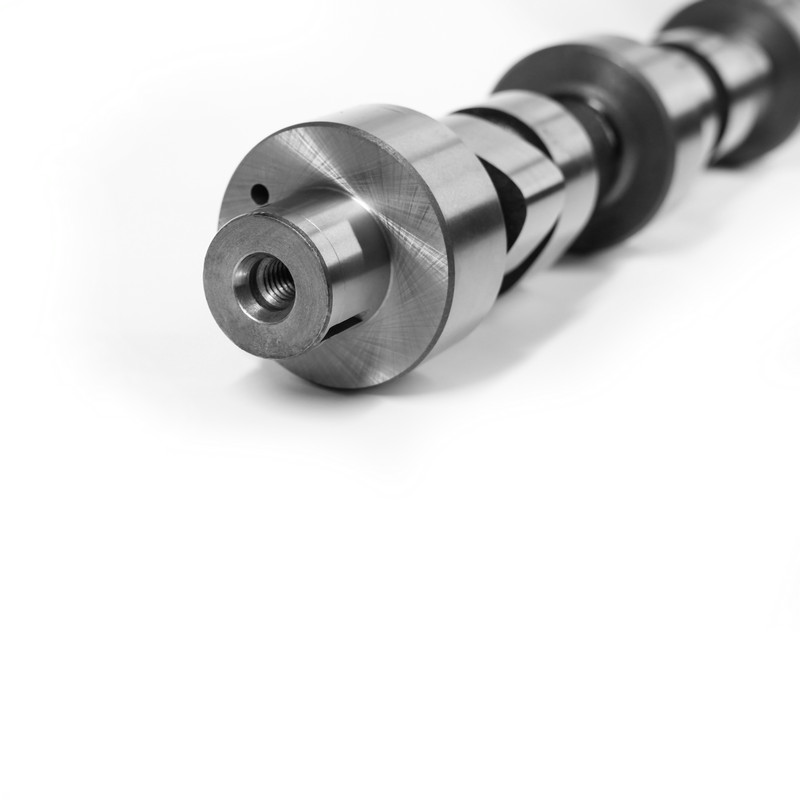 |
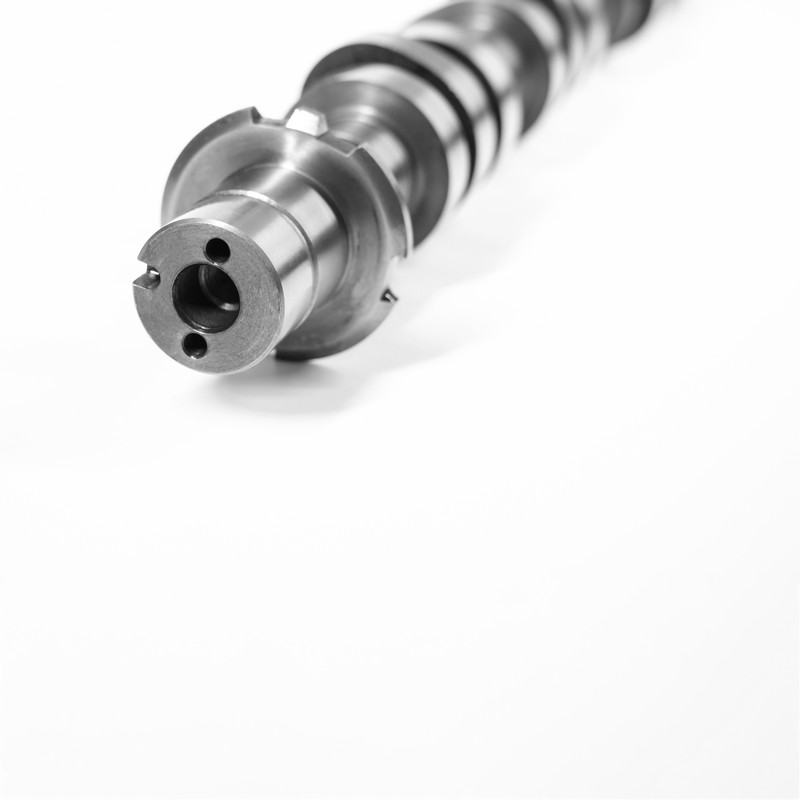 |
| Checkpoint | Why It Matters |
| Part number | Confirms an exact match to the required specification |
| Engine compatibility | Prevents timing issues from an incorrect fit |
| Material quality | Affects durability and long-term reliability |
| Manufacturing precision | Determines how well the part coordinates with existing components |
| Supplier experience | Indicates consistency across production batches |
| Quality inspection records | Provides evidence the part was properly tested before shipping |
A dependable supplier brings more to the table than a single part number. Stable production capability keeps orders consistent across time, thorough quality control catches defects before they reach a customer, technical support helps resolve compatibility questions before purchase, and the ability to offer customized solutions matters when a project calls for something outside a standard catalog listing. Choosing a Ford car camshaft from a supplier with all four of these qualities reduces the risk of comebacks and repeat repairs down the line.
provide one-stop service from blank casting to finished product finishing, fundamentally control product stability, to ensure delivery.

 English
 中文简体
中文简体 русский
 Español



 闽公网安备35018102000203号