Article Directory
Engine builders, repair shops, and OEM production lines depend on a correctly specified GM car camshaft to hit accurate valve timing across the full RPM range, since even small deviations in lobe profile or material hardness translate directly into lost performance, uneven idle, or premature valve train wear. Choosing the right camshaft means matching material, heat treatment, and dimensional tolerance to the specific GM engine platform and duty cycle it will run in.
A camshaft's lobe profile controls exactly when and how far each valve opens, making lobe geometry the single most important dimension in the entire component.
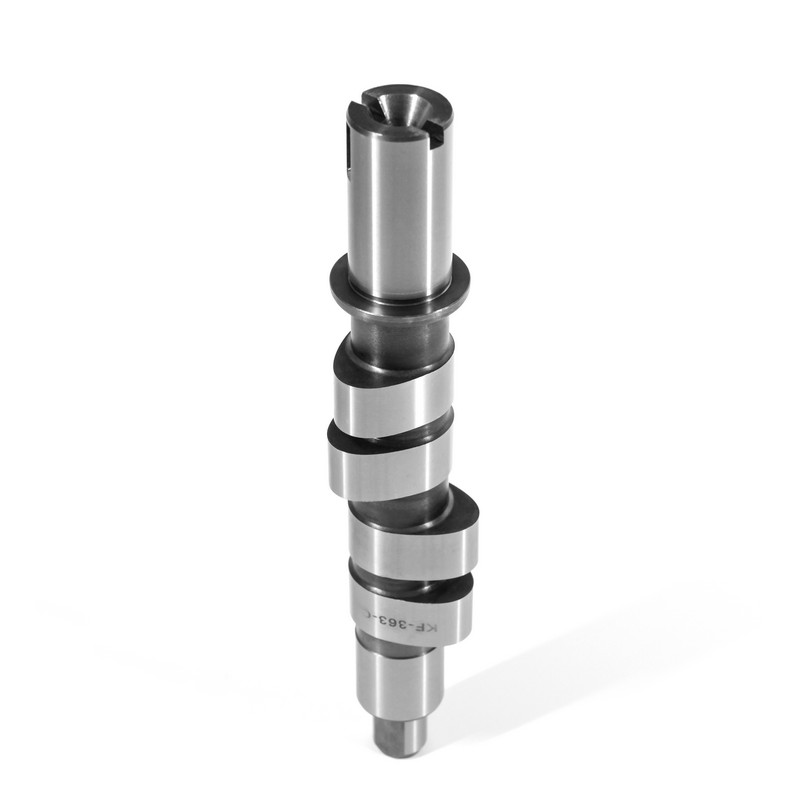
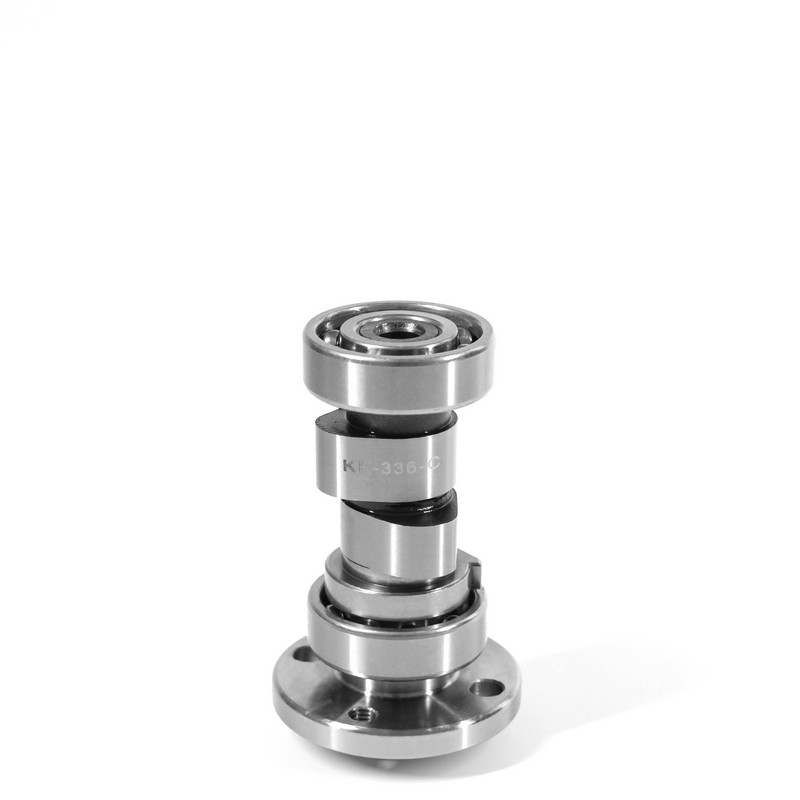
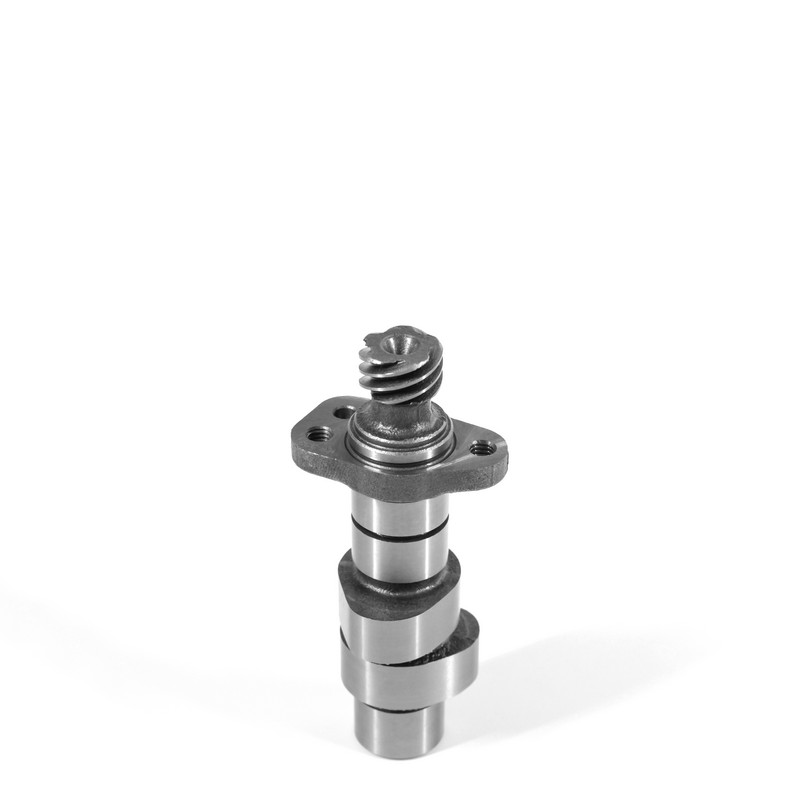
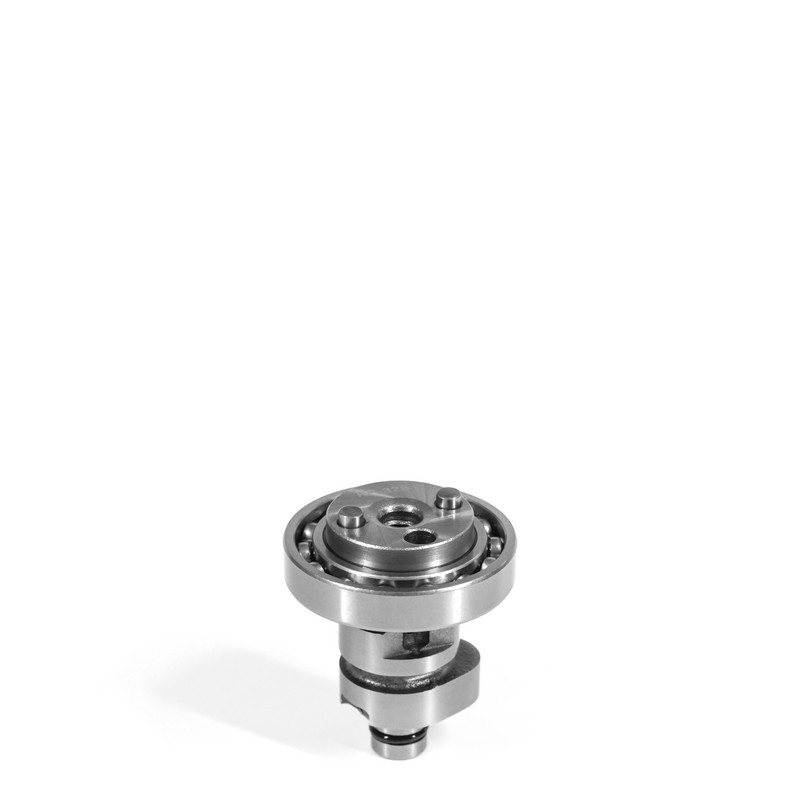
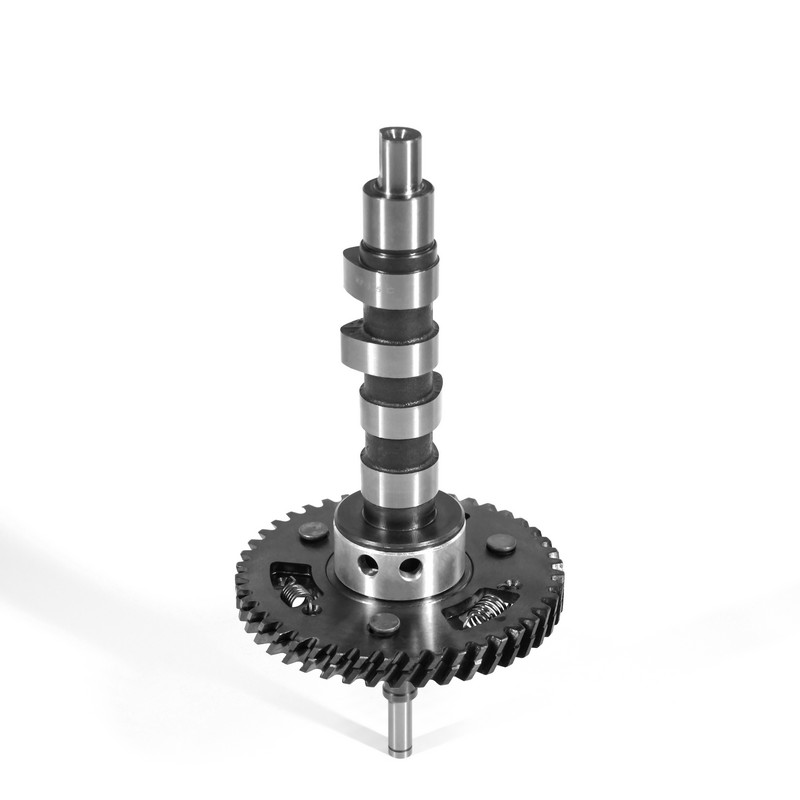
A camshaft is a rotating shaft fitted with a series of precisely shaped lobes, one for each engine valve, that push valves open at a specific point in the engine cycle as the shaft turns. The shaft is driven off the crankshaft through a timing chain, belt, or gear set at a fixed ratio, so valve events stay locked to piston position throughout the engine's operating range.
Lobe height determines how far a valve opens, lobe width determines how long it stays open, and the angular position of each lobe around the shaft determines exactly when in the engine cycle that valve event occurs. Together these three dimensions define an engine's valve timing character, from low-end torque delivery to high-RPM breathing capacity.
Single overhead cam and dual overhead cam GM engines use different camshaft configurations, with DOHC platforms running separate intake and exhaust camshafts per cylinder bank for more independent valve timing control, while SOHC and pushrod GM V8 platforms typically run a single camshaft actuating both intake and exhaust valves through the valve train.
Precision machining keeps lobe geometry within tight tolerance across every cylinder, since inconsistent lobes between cylinders will produce uneven cylinder-to-cylinder performance even on an otherwise correctly specified engine. High-strength alloy material and induction-hardened lobe surfaces resist the constant point-loading a camshaft experiences at every valve opening event, which is what determines how long the component holds its original profile under sustained use.
Standard-profile camshafts balance fuel economy, emissions, and everyday drivability across GM sedan and coupe platforms.
Higher-torque camshaft profiles suit the load-carrying and towing demands of GM truck and SUV engines.
OEM-spec replacement camshafts restore original valve timing and performance during engine rebuild work.
Production-line camshafts are manufactured to exact original equipment tolerance for new engine assembly.
Aftermarket camshaft programs supply repair shops and engine builders working across multiple GM platforms.
Alloy steel or cast iron stock is selected based on the strength and hardness the finished camshaft requires.
The rough camshaft blank is shaped by forging for maximum strength or casting for cost-efficient production.
Lobe profiles and bearing journals are machined and ground to precise final dimensions.
Induction hardening treats lobe surfaces to resist wear without hardening the entire shaft.
Dimensional inspection and hardness testing confirm the finished camshaft meets specification before release.
Vehicle and engine compatibility — confirm the camshaft matches the exact GM engine code and platform.
Material and heat treatment quality — alloy grade and hardening process determine long-term wear resistance.
Dimensional accuracy and tolerances — lobe and journal tolerances should meet or exceed OEM specification.
Wear resistance and service life — surface hardness directly affects how long the camshaft holds its original profile.
OEM vs aftermarket sourcing — confirm the supplier's quality control matches the reliability the application demands.
The crankshaft converts piston motion into rotation and drives the camshaft; the camshaft in turn controls valve events off that same rotation.
The sprocket transfers timing chain rotation to the camshaft at a fixed ratio; it sets timing position but does not shape valve events itself.
The rocker arm transmits camshaft lobe motion to the valve stem; the camshaft defines the motion, the rocker arm delivers it.
Selecting compatible valve train components means matching camshaft lobe profile, sprocket timing position, and rocker arm ratio together as a system, since a mismatch in any one component can throw off valve timing even when the camshaft itself is correctly specified.
Material grade, lobe profile, and heat treatment specification can all be adjusted independently for custom camshaft programs, letting a single manufacturing relationship cover OEM production runs, precision aftermarket replacement parts, and platform-specific engine rebuild programs. Precision CNC manufacturing supports tight tolerance control across high production volumes without sacrificing consistency between individual camshafts.
Manufacturing precision continues to improve as CNC grinding technology advances, tightening lobe and journal tolerances beyond what earlier production methods could reliably hold. Lightweight, high-strength alloy development is reducing reciprocating and rotating mass in valve train components, and heat treatment processes continue to improve wear resistance without adding brittleness to the finished part. Demand for OEM and global aftermarket components continues to grow as GM vehicle platforms remain in service and repair longer than in previous decades.
Long-term engine reliability depends on selecting a GM car camshaft built to the correct material, heat treatment, and dimensional specification for the exact engine platform it will run in, rather than treating camshaft selection as a generic, interchangeable decision. With OEM-grade and custom manufacturing options available across passenger car, SUV, and truck platforms, the right camshaft program gives engine builders and repair shops the valve timing accuracy and long-term durability GM engines are built to deliver.

 English
 中文简体
中文简体 русский
 Español



 闽公网安备35018102000203号