Article Directory
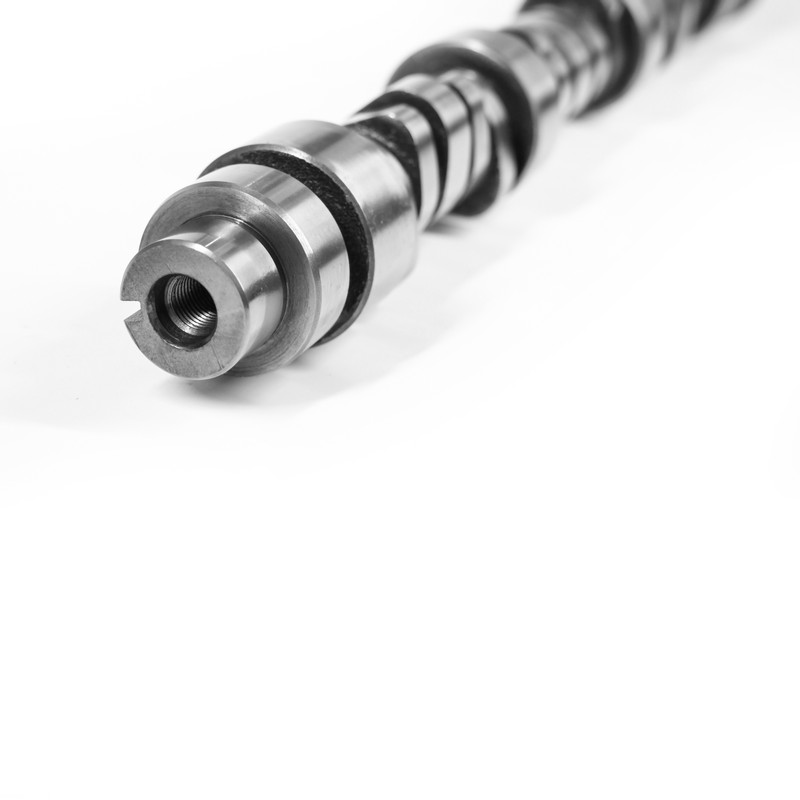
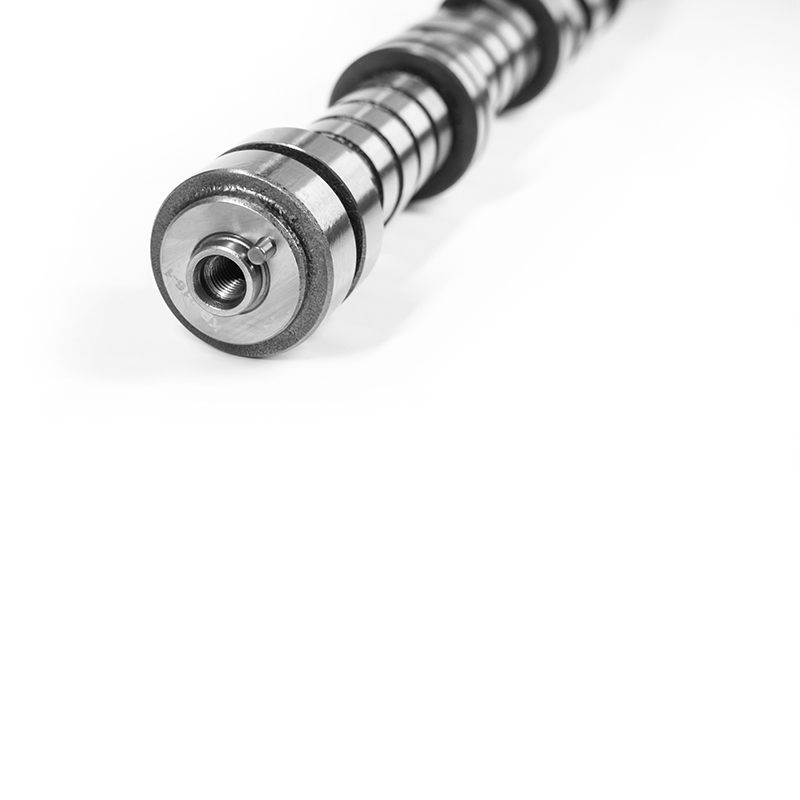
Valve timing is the difference between an engine that breathes correctly and one that misfires under load. A precisely machined HONDA car camshaft controls exactly when intake and exhaust valves open and close, which is why camshaft quality shows up directly in power output, fuel efficiency, and long-term engine wear.
A Honda camshaft consists of cam lobes, a shaft body, bearing journals, and a timing gear or sprocket connection, all working together to convert rotation into precise valve movement. Synchronized with the crankshaft, it determines when intake valves let the air-fuel mixture in and when exhaust valves release spent gases — timing that directly shapes combustion efficiency.
| Material | Advantage | Best Fit |
| Cast iron | Good wear resistance, cost-effective | Standard passenger engines |
| Steel / forged | Higher strength and durability | High-performance applications |
| Surface-treated | Reduced wear, better fatigue resistance | Long-service-life requirements |
A camshaft that's off by even a fraction of a degree in cam profile grinding can throw off valve timing enough to cost measurable horsepower.
Engine misfire — often traced to incorrect valve timing or cam lobe wear.
Reduced power — worn cam lobes cut air intake and combustion efficiency.
Abnormal noise — a symptom of wear or poor lubrication at the bearing journals.
Poor fuel economy — incorrect valve operation forces inefficient combustion.
Compatibility comes first: confirm Honda model, engine code, production year, and configuration before anything else. From there, match the camshaft to how the vehicle is actually driven — a standard design balances performance and durability for daily driving, while a high-performance camshaft with optimized timing suits modified or performance-oriented builds. Manufacturing quality closes the gap: material grade, machining accuracy, surface treatment, and inspection standards all affect how long the part lasts.
Production starts with material selection and initial forming, followed by casting or forging to establish the basic shape. Precision machining — CNC work, cam profile grinding, and journal finishing — locks in the accuracy that valve timing depends on. Heat treatment, surface hardening, and dimensional inspection round out the process before the part is performance tested.
Watch for engine misfires, reduced power, unusual noise, or declining fuel economy — all common signs of cam lobe wear or timing issues.
SOHC uses one camshaft for both intake and exhaust valves, while DOHC uses separate shafts for each, giving more precise control and better high-speed performance.
For most daily driving, a standard cast iron camshaft offers a good balance of cost and durability; steel is generally reserved for performance builds.
Yes. Accurate valve timing directly improves combustion efficiency, which reduces unnecessary fuel consumption over time.
From daily commuting to performance builds, a correctly specified HONDA car camshaft is what keeps valve timing precise, combustion efficient, and engine wear under control.
 |
 |
provide one-stop service from blank casting to finished product finishing, fundamentally control product stability, to ensure delivery.

 English
 中文简体
中文简体 русский
 Español



 闽公网安备35018102000203号