Article Directory
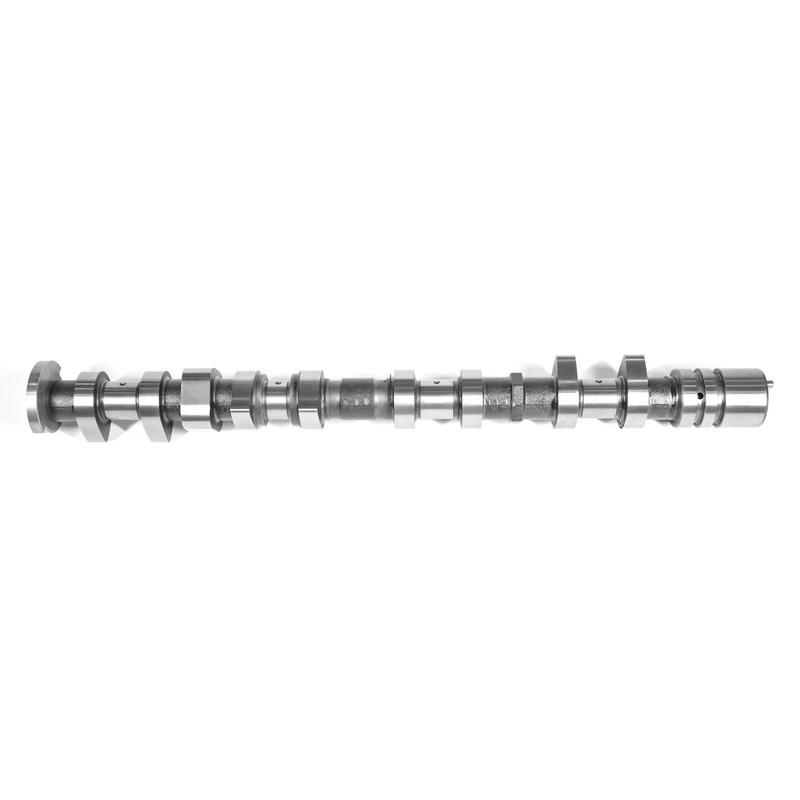
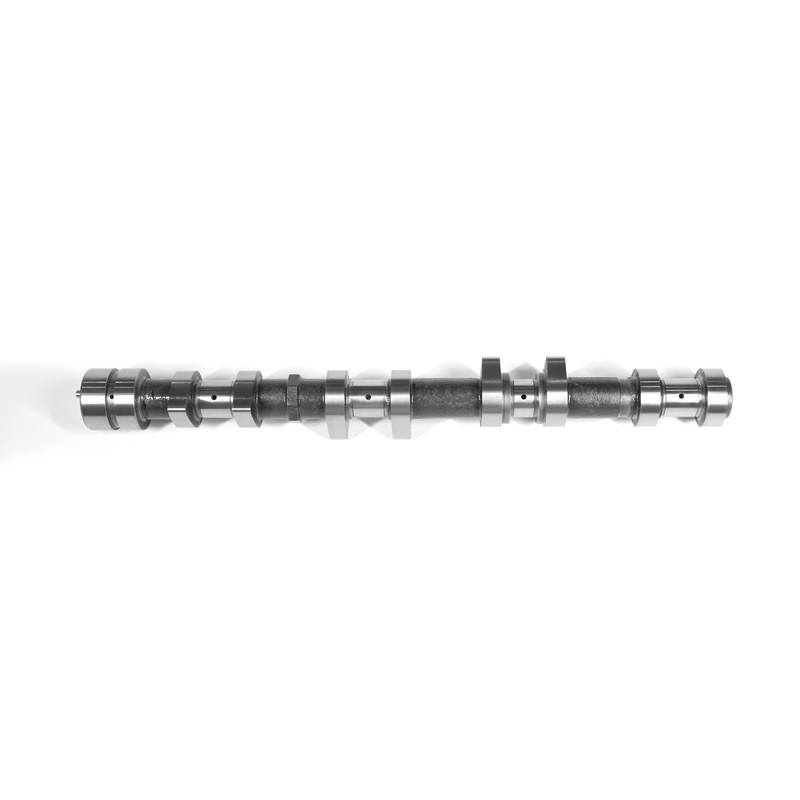
Rough idle, a sudden drop in power, or fuel economy that keeps sliding can all trace back to one small rotating shaft. A HYUNDAI car camshaft controls exactly when intake and exhaust valves open, and when that timing drifts, engine performance drifts with it.
Built from cam lobes, a shaft body, bearing journals, and a timing gear connection, the camshaft rotates in sync with the crankshaft to open and close intake and exhaust valves at precisely the right moment. Get that timing right and the engine breathes efficiently; get it wrong and combustion, power, and fuel economy all suffer together.
SOHC designs use a single camshaft to control every valve, favoring mechanical simplicity and low-cost maintenance. DOHC designs split intake and exhaust duties across two camshafts, trading some of that simplicity for sharper airflow control and quicker engine response, which is why most modern performance-oriented Hyundai engines lean DOHC.
Cast iron keeps replacement cost down while holding up well under standard driving loads. Steel costs more to produce but resists fatigue better, which is why forged steel camshafts show up more often in demanding or high-revving applications.
Illustrative Material Property Comparison (Score out of 10)
Daily drivers do best with a standard replacement built for balanced durability and performance. Performance applications call for a camshaft profile optimized for the intended power band, along with tighter machining tolerances and verified surface treatment.
Watch for reduced power, engine misfires, unusual ticking or knocking noise, and rising fuel consumption. Any combination of these points toward valve timing or camshaft wear issues.
Neither is universally better. SOHC favors simplicity and low maintenance, while DOHC favors airflow efficiency and engine response, which is why DOHC is more common in performance-oriented models.
Cast iron suits standard passenger vehicle engines with lower cost, while steel offers better fatigue resistance for demanding or high-performance applications.
Confirm the exact vehicle model, engine model, engine displacement, and production year to ensure the camshaft matches your Hyundai's valve timing requirements.
 |
 |
provide one-stop service from blank casting to finished product finishing, fundamentally control product stability, to ensure delivery.

 English
 中文简体
中文简体 русский
 Español



 闽公网安备35018102000203号