Article Directory
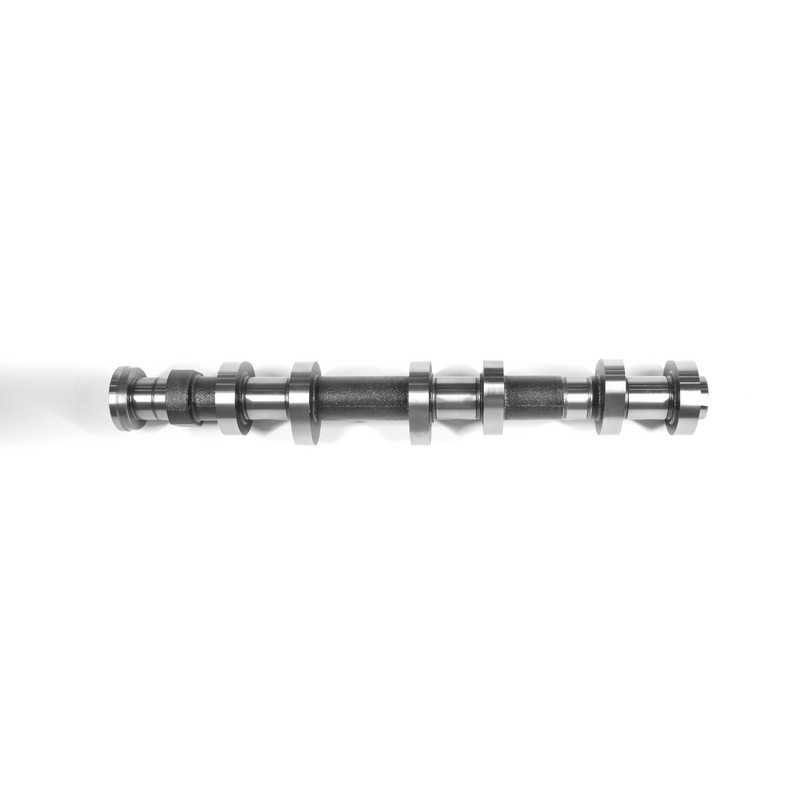
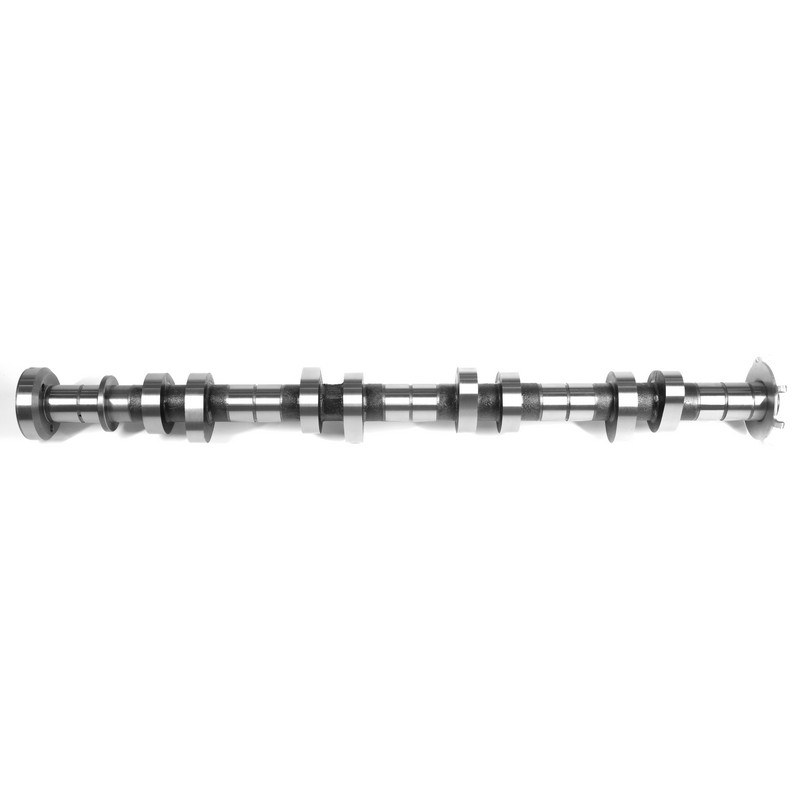
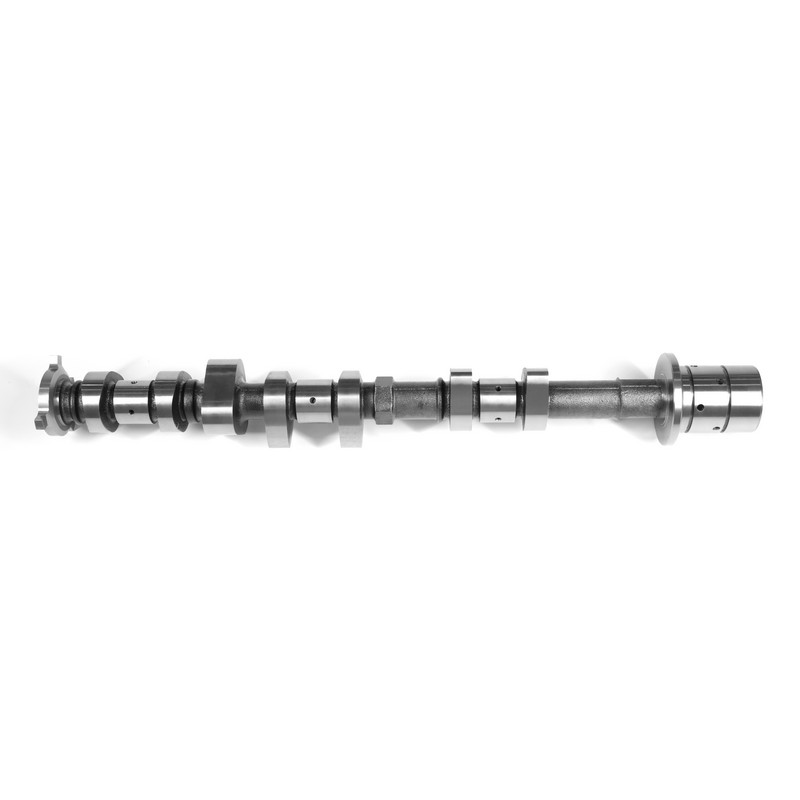
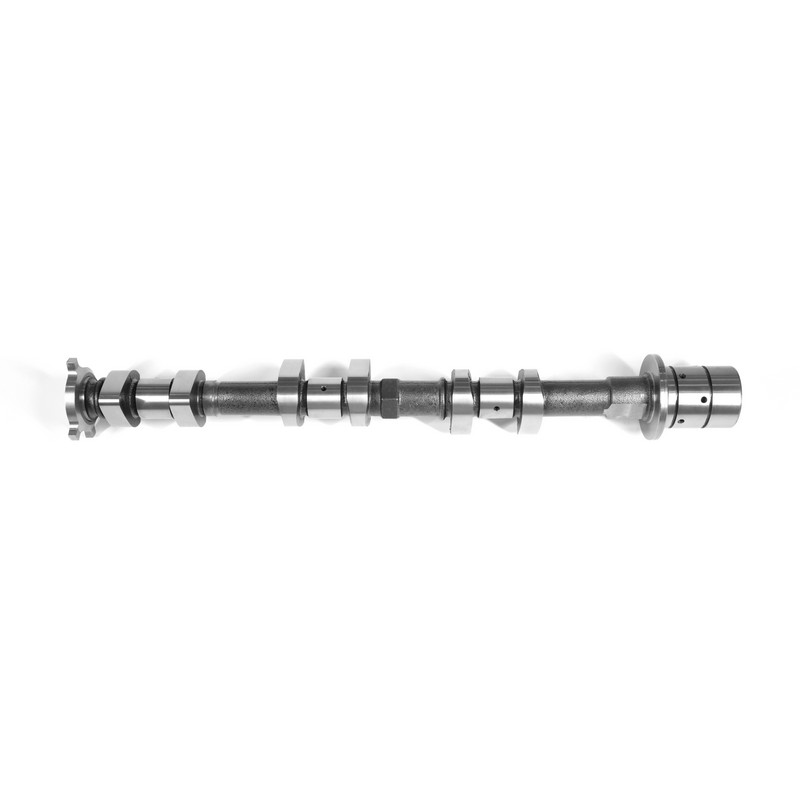
In the high-performance world of V6 powerplants, specifically the VQ-series engines found in the Altima and Maxima, the NISSAN Camshaft operates under extreme mechanical stress and thermal loads. One of the most common failure modes identified by automotive engineers is "pitting"—the formation of microscopic craters on the cam lobe surface. While metallurgy plays a role, the primary culprit is often a breakdown in the elastohydrodynamic lubrication (EHL) film. Anhui KORBOR Machinery Co., Ltd., a premier manufacturer with 25 years of specialized experience and a 28,000 square meter production base, has analyzed thousands of camshaft lobe pitting causes to refine our heat treatment processes. Operating under IATF16949:2016 standards, we emphasize that lubrication and camshaft durability are inseparable; without adequate oil pressure, even the highest-grade alloy cannot withstand the Hertzian contact stress encountered in modern valvetrains.
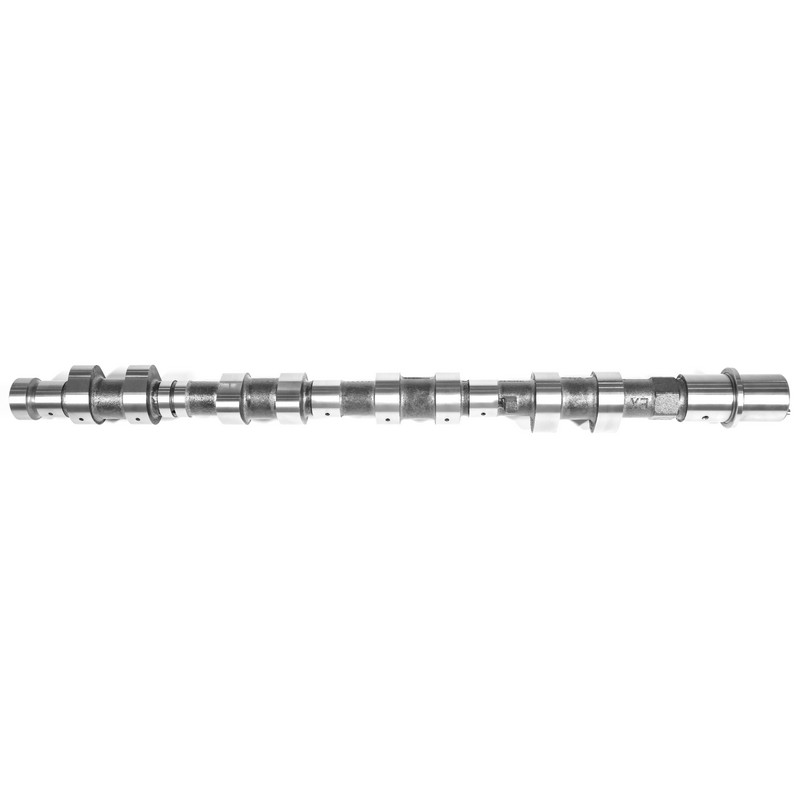
The NISSAN Camshaft relies on a consistent supply of pressurized engine oil to maintain a protective barrier between the lobe and the tappet or lifter. Low oil pressure directly reduces the thickness of this oil film, leading to boundary lubrication conditions where metal-to-metal contact occurs. This contact generates localized heat and high frictional forces, which eventually result in surface fatigue and pitting. Unlike standard wear which is gradual, pitting caused by low pressure can occur rapidly in V6 models due to the aggressive ramp profiles designed for variable valve timing. At KORBOR, we utilize NISSAN Camshaft manufacturing techniques that involve carburizing and quenching to reach high surface hardness, yet even these advanced surfaces require a stable fluid film to prevent premature failure.
In a full film state, the surfaces are completely separated by oil, whereas boundary lubrication allows microscopic asperities to collide, leading to pitting.
| Lubrication State | Surface Interaction | Lobe Pitting Risk |
| Full Film (High Pressure) | No metal contact; oil film > asperity height | Negligible |
| Boundary (Low Pressure) | Significant metal contact; high friction | Very High |
The V6 engines in these models are known for their high-revving nature, which places immense pressure on the camshaft lobe pitting causes. When oil pressure drops—often due to clogged oil galleries, worn oil pumps, or the use of incorrect oil viscosity—the rear cylinders typically suffer first due to the length of the oil path. This is a common Nissan Altima camshaft replacement trigger. If the NISSAN Camshaft is not manufactured with precise tempering to manage internal stresses, the combination of low pressure and high RPM will lead to delamination of the surface metal. KORBOR's efficient production lines ensure that every aftermarket NISSAN camshaft we produce has a "zero defect" grain structure to better resist these adverse conditions.
While standard blanks may provide basic functionality, KORBOR's advanced quenching processes significantly enhance the material's threshold against the shear stresses found in V6 engines.
| Material Property | Standard Casting | KORBOR Heat-Treated Alloy |
| Surface Hardness (HRC) | Moderate (45-50) | Superior (58-62) |
| Wear Resistance | Average | Excellent (Anti-pitting optimized) |
| Core Toughness | Brittle potential | Tempered for high impact strength |
Recognizing the symptoms of worn camshaft lobes is vital for preventing total engine failure. Pitting often presents as a distinct "ticking" or "clacking" sound from the top end of the engine, particularly as the pitted surface disrupts the smooth motion of the valve lifter. This disruption leads to camshaft timing issues in V6 engines, as the valve lift and duration are reduced. Over time, the metal shavings from the pitted lobes circulate through the engine, further damaging bearings and the oil pump, creating a catastrophic feedback loop. Regular NISSAN engine maintenance tips emphasize oil pressure testing at high mileage to ensure the NISSAN Camshaft remains within its design tolerances.
With a total investment exceeding 100 million yuan, Anhui KORBOR Machinery Co., Ltd. provides a one-stop service from blank casting to finished products. Our team handles more than 800 automotive camshaft models, ensuring that our NISSAN Camshaft replacements are iterative and innovative. By following the IATF16949:2016 standard, we implement multi-level quality control. We recognize that while we cannot control the vehicle's oil pressure, we can provide a high-precision NISSAN camshaft that is metallurgy-hardened to offer the maximum possible protection against lubrication lapses. This professional capability is why we deliver over 2.3 million sets of products annually to customers worldwide.
In conclusion, low oil pressure is the leading cause of premature NISSAN Camshaft lobe pitting in Altima and Maxima V6 models. The mechanical integrity of the valvetrain depends on a thin layer of oil. When this is compromised, the high-performance alloy must step in to prevent immediate failure. By choosing a partner like Anhui KORBOR Machinery Co., Ltd., you are investing in 25 years of innovation and craftsmanship. Let us work together to ensure your engine performs at its peak with our exquisite and stable quality products.
It is not recommended. Pitting causes the valve to open incorrectly and generates metal debris that can destroy your entire engine's lubrication system, leading to much higher repair costs.
Yes. High-quality synthetic oil maintains its viscosity better under high temperatures, ensuring a more stable oil film between the NISSAN Camshaft and lifters compared to conventional oil.
If you hear persistent metallic ticking from the valve cover and notice a loss of engine power or "rough idling," you should have your camshaft lobes inspected for pitting or excessive wear.
Carburizing introduces carbon into the surface layer of the NISSAN Camshaft. This creates a hard, wear-resistant outer shell while maintaining a tough, flexible core, which is essential for resisting surface fatigue.
The V6 engines in Maxima models often run at higher operating temperatures and feature aggressive cam profiles. If oil pressure is even slightly low, the increased thermal and mechanical stress accelerates the camshaft lobe pitting causes.
provide one-stop service from blank casting to finished product finishing, fundamentally control product stability, to ensure delivery.

 English
 中文简体
中文简体 русский
 Español




 闽公网安备35018102000203号