Article Directory
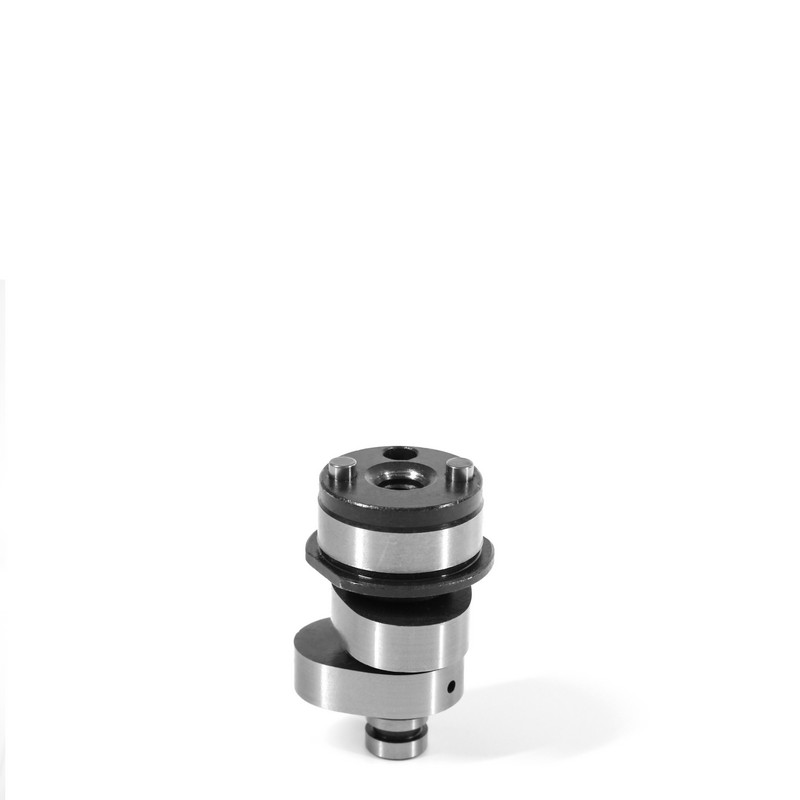
For enthusiasts of air-cooled engines, the engle camshafts vw series represents the pinnacle of performance tuning. However, the transition from a fresh build to a reliable powerhouse hinges on a single, high-stakes event: the initial break-in. Unlike roller cams, flat tappet designs rely on a delicate hydrodynamic wedge of oil and a specific wear pattern established during the first 20 minutes of operation. Anhui KORBOR Machinery Co., Ltd., a premier manufacturer with 25 years of specialized experience in camshaft engineering, understands that even the highest quality heat-treated alloy steel requires precision in the "mating" phase. Our Fuzhou-originated and now Anhui-based 22,000 square meter facility produces over 2.3 million sets of camshafts annually, following strict IATF16949:2016 standards. We ensure our camshafts are tempered, carburized, and quenched for maximum hardness, but the final surface hardening of the lobe occurs through proper operational chemistry during break-in.
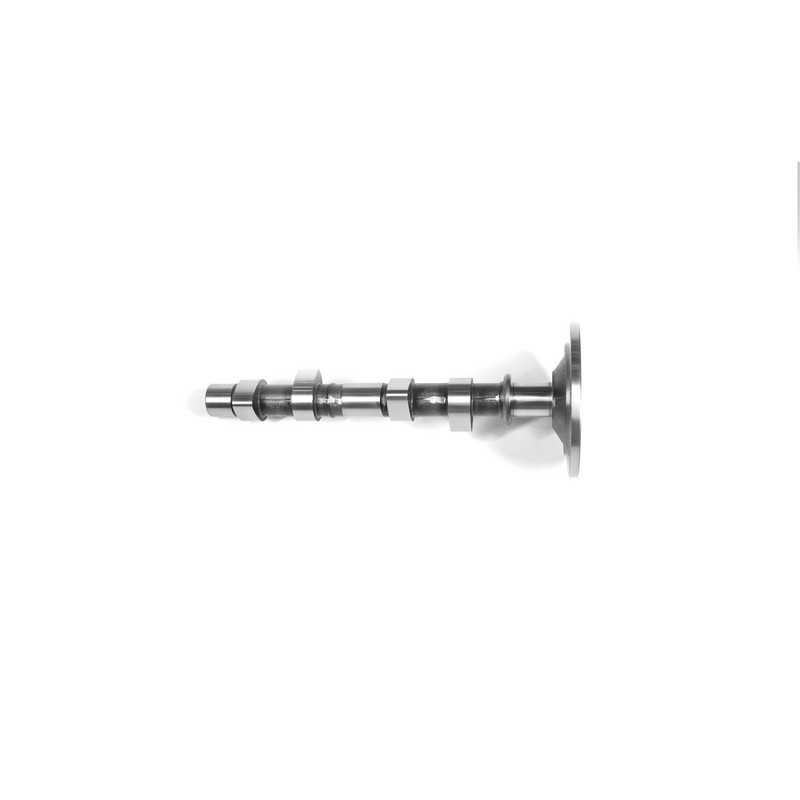
The prevention of lobe wear begins before the engine even fires. Standard motor oil is insufficient for initial startup; instead, a specialized high-moly break-in paste must be applied to the lobes and the base of the lifters. When evaluating best break in oil for air cooled vw, engineers prioritize high ZDDP (Zinc Dialkyl Dithiophosphate) concentrations, typically exceeding 2,000 ppm. This chemical barrier prevents metal-to-metal contact until the engine reaches the RPM threshold necessary for splash lubrication. Anhui KORBOR utilizes high-performance alloys precisely to handle these initial stresses, but skipping the camshaft assembly lube application is the leading cause of "wiped" lobes within minutes of the first start.
Standard motor oils are optimized for friction reduction in modern roller engines, whereas break-in lubricants are designed for extreme pressure (EP) protection in flat tappet configurations.
| Lubricant Property | Standard Fully Synthetic Oil | High-Zinc Break-In Oil/Paste |
| ZDDP Content | Low (800-900 ppm) | High (2,000+ ppm) |
| Detergent Level | High (Cleans surfaces) | Low (Allows Zinc to bond) |
| Film Strength | Optimized for high RPM | Optimized for Extreme Pressure (EP) |
The most critical 20 minutes in the life of engle camshafts vw occur immediately upon startup. The engine must not be allowed to idle. Idling creates insufficient oil splash from the crankshaft, leaving the cam lobes dry. Engineers recommend maintaining an engine speed between 2,000 and 3,000 RPM. This creates the centrifugal force needed to throw oil onto the camshaft and facilitates proper lifter rotation in vw engines. If the lifters do not rotate, they will "dig" into the lobe, causing a catastrophic failure. Anhui KORBOR's "zero defect" manufacturing ensures the slight taper on the lobe is accurate to induce this rotation, but the RPM must be high enough to allow the hydraulic wedge to form.
High-performance engle camshafts vw often require heavy dual valve springs. However, the high pressure of these springs can break through the oil film during the initial break-in. A common engineer's secret is to perform the break-in using only the outer springs, then reinstall the inner springs after the cam has "seated." When analyzing vw camshaft break in vs spring pressure, the goal is to reduce the load on the lobe surface until the metal has work-hardened. This extra step is the hallmark of a professional build and prevents the high-carbon chromium surfaces from scuffing under excessive tension.
Reducing spring pressure during the initial cycle lowers the PSI at the lobe/lifter interface, significantly increasing the success rate of the break-in.
| Spring Setup | Lobe Pressure (Static) | Risk of Galling/Scuffing |
| Dual Performance Springs | High (120+ lbs Seat) | High |
| Outer Springs Only | Moderate (80-90 lbs Seat) | Low |
Once the 20-minute cycle is complete, the oil must be drained immediately to remove any molybdenum paste and microscopic metallic "dust" from the mating process. Following this, the vw valve adjustment after break in is mandatory. As the lifter and lobe mate, the clearance (lash) will change. At Anhui KORBOR, we emphasize that every process contains innovative power, but the basics of maintenance remain. We recommend checking the valve lash at 100 miles, 500 miles, and then every 3,000 miles to ensure the geometry remains perfect and the lobes continue to wear evenly.
Protecting your engle camshafts vw is a balance of high-end metallurgy and disciplined mechanical procedure. By selecting a camshaft from a manufacturer like Anhui KORBOR Machinery Co., Ltd., you are starting with a foundation of 25 years of innovation and high-precision mass production. However, the final longevity of the part is determined by your adherence to high-zinc lubrication, RPM management, and spring pressure control. Together, exquisite craftsmanship and professional break-in techniques create the "zero defect" performance that air-cooled enthusiasts demand.
Idling does not provide enough "splash lubrication" from the crankshaft to reach the camshaft. Without this oil spray, the friction between the lifter and the lobe will create excessive heat, leading to rapid wear.
The best oil is a specialized, non-detergent or low-detergent SAE 30 or 10W-30 break-in oil with at least 2,000 ppm of ZDDP (Zinc). This allows the protective chemical layer to bond to the metal surface effectively.
During the break-in (with the valve covers briefly removed or via observation), you should see the pushrods spinning. If a pushrod is stationary, the lifter is not rotating, and the lobe is at risk of flattening.
Yes. The initial mating of the cam and lifter creates a "seat." This process slightly changes the physical height of the assembly, which alters your valve lash. Failing to reset it can lead to burnt valves or lost power.
No. Synthetic oils are often too "slippery" and contain too many detergents, which can prevent the lifter and lobe from properly mating and may stop the zinc from bonding to the cam surface.
provide one-stop service from blank casting to finished product finishing, fundamentally control product stability, to ensure delivery.

 English
 中文简体
中文简体 русский
 Español



 闽公网安备35018102000203号