Article Directory
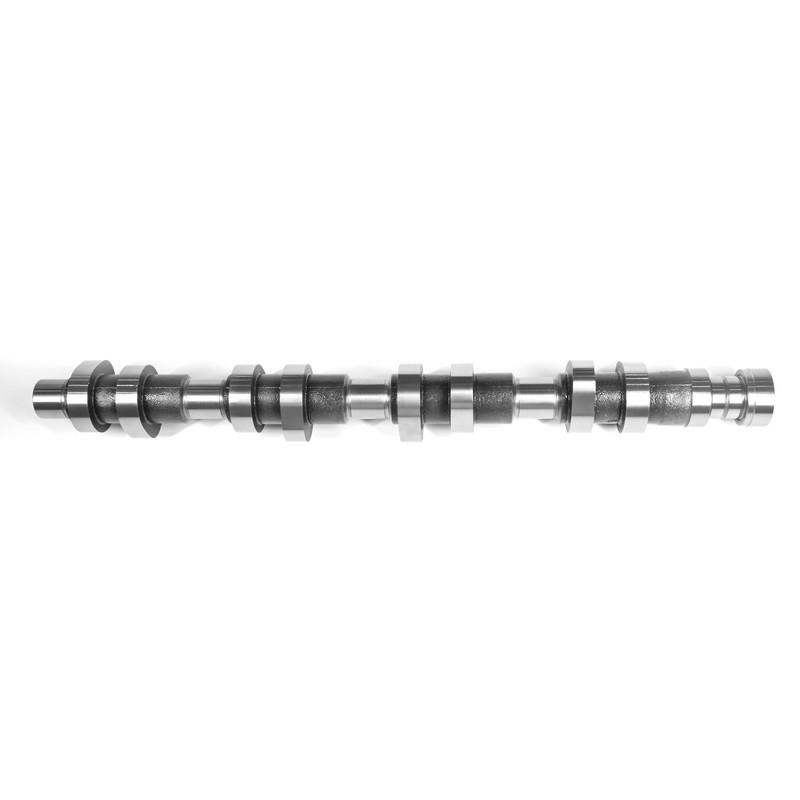
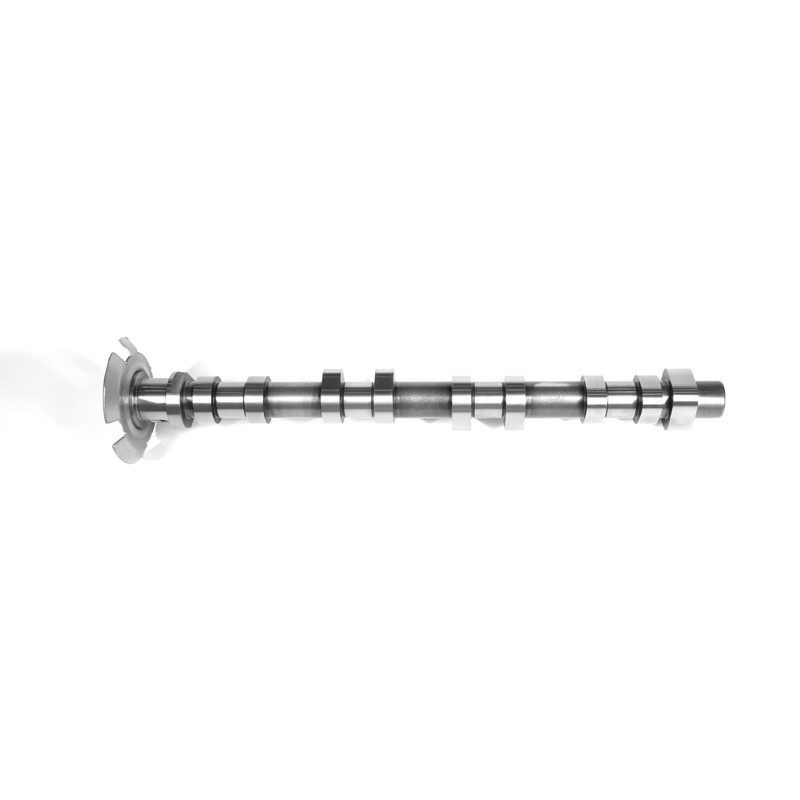
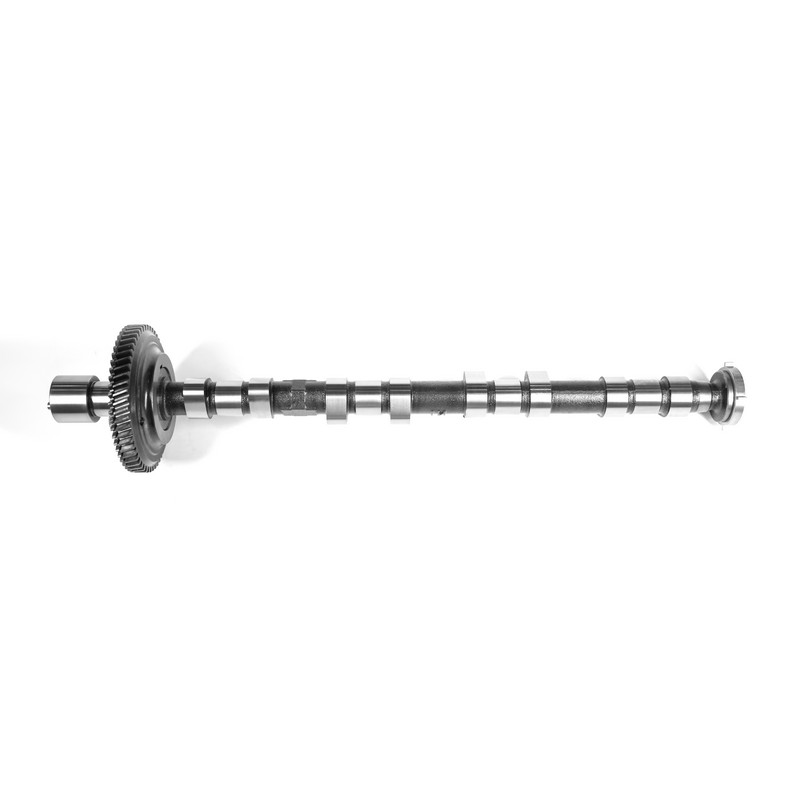
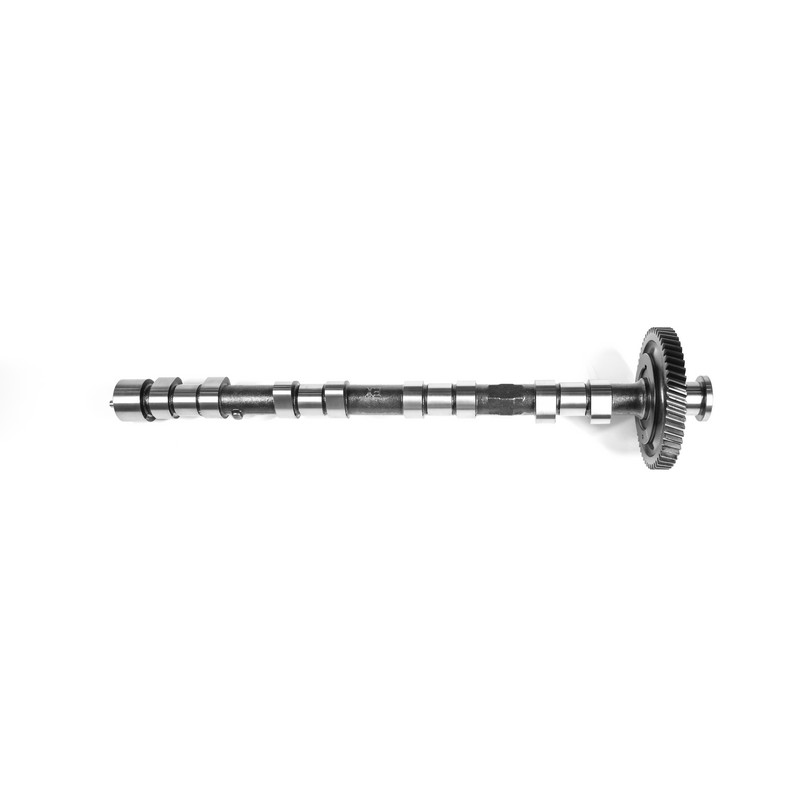
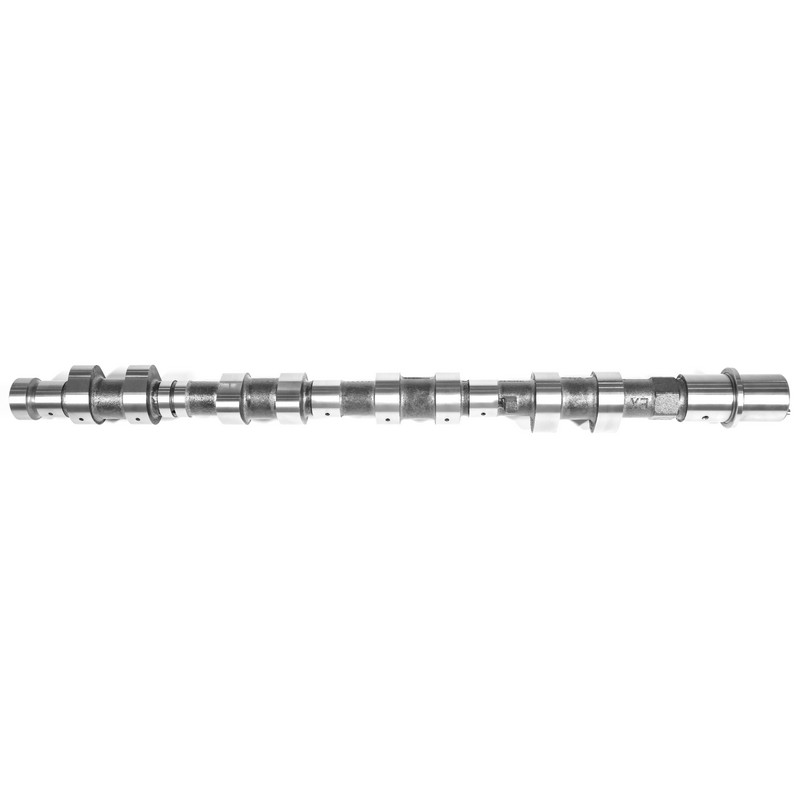
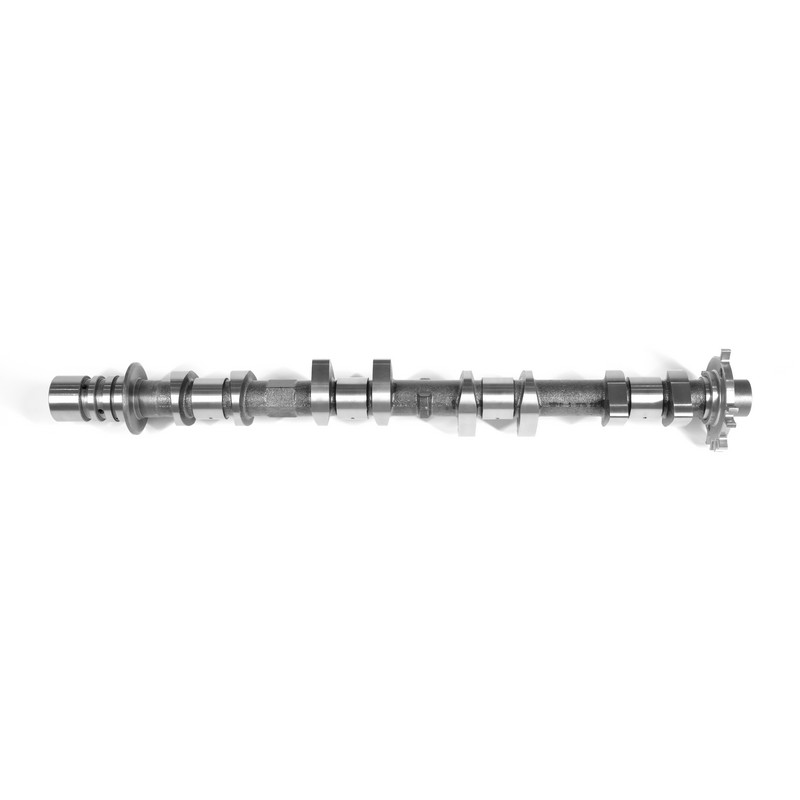
Physically, a camshaft is a rigid, elongated metal rod forged from steel or cast iron. Along its length sit distinct, egg-shaped lobes known as cams. As the shaft spins, the peak of each lobe pushes downward against a valve mechanism (either directly or via lifters, pushrods, or rocker arms), forcing the valve open against its spring pressure.
The unique profile of these lobes determines the engine’s performance characteristics. The height of the lobe dictates total valve lift, while the width of the lobe determines valve duration (how long the valve remains unseated). Precise control of this cycle is critical; even a microscopic timing deviation can disrupt cylinder compression, causing a sharp drop in fuel efficiency or complete engine failure.
The total number of camshafts inside an engine depends entirely on its cylinder configuration and overall valvetrain architecture. Modern automotive engineering uses three primary valvetrain designs to balance manufacturing costs with high-RPM efficiency.
| Valvetrain Configuration Name | Total Camshafts per Engine Block | Typical Cylinder Layout Example | Mechanical Operating Characteristics |
|---|---|---|---|
| OHV (Overhead Valve / Pushrod) | 1 Camshaft Total | Traditional V6 / V8 Engines | The single cam sits inside the engine block and operates valves via long pushrods. Highly compact design. |
| SOHC (Single Overhead Cam) | 1 or 2 Camshafts | Inline-4 / Split-Bank V6 | One shaft sits directly above each cylinder head, operating both intake and exhaust valves together. |
| DOHC (Double Overhead Cam) | 2 or 4 Camshafts | Modern Multi-Valve Performance Engines | Two distinct shafts sit over each cylinder head. One controls intake valves exclusively; the other manages exhaust. |
Installing an aggressive aftermarket performance camshaft is a popular modification to unlock extra horsepower, but it introduces distinct mechanical trade-offs. An aftermarket cam itself is not inherently bad for your vehicle, but choosing an incorrect profile can cause operational issues if it doesn't match the engine's build parameters.
High-performance camshafts feature larger lobe designs that maximize valve opening lift and duration. This allows the cylinders to draw in a significantly larger volume of air and fuel at high engine speeds. While this configuration produces substantial power gains between 4,000 and 7,000 RPM, it often sacrifices low-end torque. This shift can cause a noticeably rough, erratic idle speed and reduce vacuum pressure, which can affect the smooth operation of power-braking systems during daily street driving.
Camshaft wear can lead to severe structural damage if left unaddressed. Recognizing early warning signs helps you identify valvetrain issues before they escalate into catastrophic internal engine failures.
When a camshaft lobe begins to wear down or develop flat spots, it creates excessive clearance between the lobe surface and the lifter. This mechanical play generates a sharp, continuous metallic ticking or clicking noise from the top valve cover that accelerates in rhythm with engine RPM.
A worn or flattened cam lobe cannot lift its assigned valve high enough to let sufficient air-fuel mixture into the combustion chamber. This restriction disrupts proper cylinder compression, triggering random misfire trouble codes, illuminating the check engine light, and causing rough engine operation.
As lobe surface degradation accelerates, fine metallic particles flake off the shaft and drop directly into the oil pan. During routine maintenance oil changes, this wear shows up as a shimmering metallic swirl in the drained oil or as visible metal flakes caught inside the pleats of the oil filter.
provide one-stop service from blank casting to finished product finishing, fundamentally control product stability, to ensure delivery.

 English
 中文简体
中文简体 русский
 Español




 闽公网安备35018102000203号