Article Directory
The camshaft is the functional heart of any internal combustion engine, dictating the valve train's timing, lift, and duration—parameters that directly control engine breathing, power band, and efficiency. For classic and legacy vehicles, such as those utilizing the AUTOBIANCHI Car Camshaft, maintaining precise valve timing is crucial for performance and longevity, often relying on simple, stamped timing marks for installation. The question of whether these critical marks degrade due to wear, leading to installation deviation, is a serious concern for engine builders and classic car parts wholesalers. Even a minor angular discrepancy can result in significant performance loss and potential engine damage. Anhui KORBOR Machinery Co., Ltd., with 25 years of relentless focus on camshaft manufacturing, is one of the top manufacturers in the country. Our commitment to quality is underpinned by the IATF16949:2016 standard and a "zero defect" production concept. We utilize high-performance alloys and specialized heat treatment processes, such as tempering, carburizing, and quenching, to significantly enhance the strength, hardness, and wear resistance of the camshaft, ensuring stable performance across our product range of over 800 automotive and 600 motorcycle camshaft models.
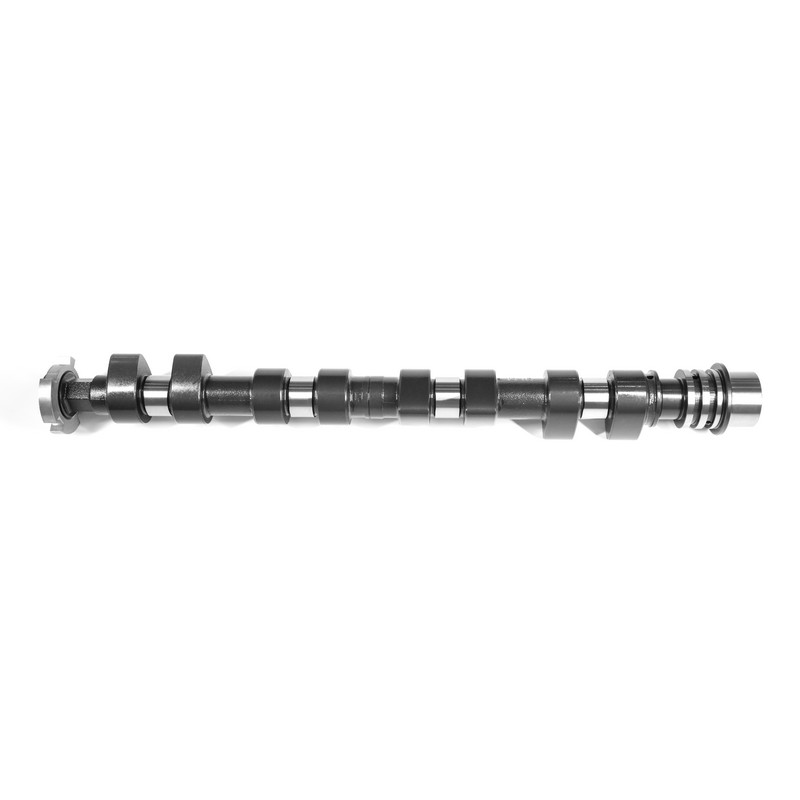
A camshaft's resistance to wear, particularly in high-stress areas like the lobe and bearing surfaces, is determined by its base material and subsequent heat treatment. The integrity of the timing mark, though not a high-contact area, is dependent on the overall surface durability and corrosion resistance of the component.
The camshaft heat treatment process material stability is paramount. Carburizing followed by quenching creates an extremely hard outer case (surface hardness often exceeding 55 HRC) while maintaining a tough, ductile core. This process is essential for the lobe and bearing journals. Although the timing mark is less prone to mechanical friction wear than the lobes, the high surface hardness provided by these treatments protects the mark from corrosion and fretting wear caused by vibration or repeated cleaning. The distinction between materials and treatments is vital for durability:
| Treatment/Material Type | Surface Hardness (HRC) | Primary Benefit | |
|---|---|---|---|
| Chill Cast Iron | 45 - 55 | Good wear resistance, cost-effective | |
| Forged Steel (Carburized/Quenched) | > 58 | Superior strength, wear, and fatigue resistance | |
| Standard Untreated Alloy | < 30 | Poor | High susceptibility to rapid wear and deformation |
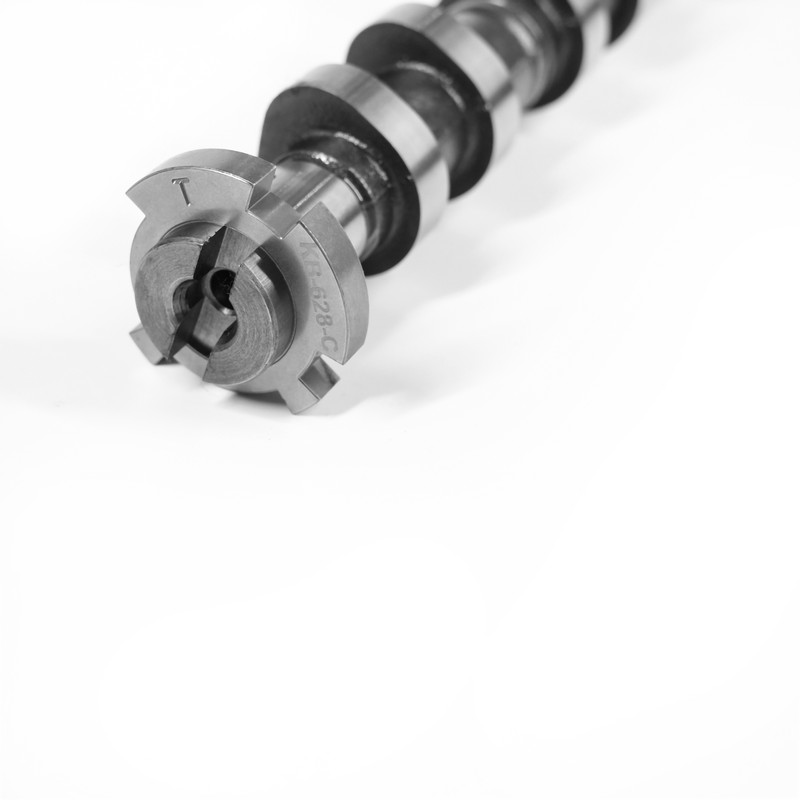
Timing marks are precision features, and their degradation, no matter how small, can introduce deviation. On older AUTOBIANCHI Car Camshaft designs, timing marks are typically shallow etchings or single punch points on the front flange or gear.
The autobianchi a112 camshaft timing mark degradation is primarily caused by two factors: fretting corrosion due to slight relative movement between the timing gear and the camshaft keyway, and generalized surface corrosion over decades of use. If the mark's edge is rounded or corroded, it can easily lead to misinterpretation by technicians. A deviation of just 1 millimeter on a typical gear circumference can translate to several degrees of angular misalignment, significantly impacting performance. The angular deviation vs. performance impact can be quantified:
| Timing Mark Angular Error | Consequence on Valve Timing | Resulting Engine Performance Loss |
|---|---|---|
| 1 - 2 degrees | Minor Intake/Exhaust Overlap Deviation | Slight power loss, potential idle roughness |
| 3 - 5 degrees | Significant Shift in Power Band | Noticeable power and torque reduction, poor economy |
| > 5 degrees | Excessive Valve/Piston Clash Risk (Severe Cases) | Engine damage, extreme performance degradation |
Relying solely on visual timing marks for installation, particularly on used or degraded components, introduces unnecessary risk. Achieving high-precision autobianchi engine valve timing installation accuracy requires professional tools and methodology. Technicians should utilize a dial indicator to measure the actual piston top dead center (TDC) and the corresponding valve lift at the specified crank angle. This method verifies the true position of the camshaft lobes relative to the crankshaft, eliminating any potential error caused by timing mark degradation, chain stretch, or keyway slop.
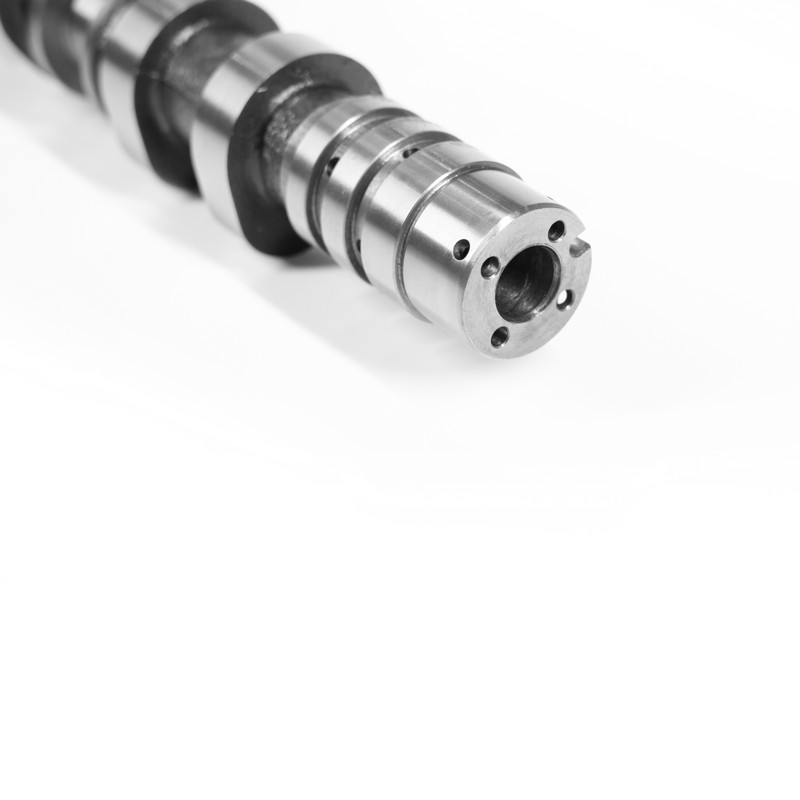
A component is condemned not only by timing mark clarity but by the wear on its functional surfaces.
The camshaft lobe wear measurement standard involves measuring the total lift (distance from the base circle to the tip of the lobe) and comparing it to the factory specification. Wear is present if the measured lift is less than the specification. KORBOR ensures high-precision mass production with strict quality management systems to guarantee that the geometry of every product, covering more than 800 models, adheres to the highest standards.
Excessive camshaft end play and timing tolerance limits can introduce angular error dynamically, even if the static timing is correct. Axial movement allows the camshaft to shift slightly during operation, impacting the precise alignment with the timing gear and potentially leading to noise and wear. Manufacturers provide a strict axial tolerance (end play) that must be checked upon installation. If the end play exceeds this limit, thrust washers or retainers must be replaced to restore static and dynamic timing accuracy.
As a crucial supplier in the automotive aftermarket, KORBOR's dedication to "zero defect" production and strict quality control on every component, from the base material to the finished product, provides B2B customers with the necessary confidence. Our 1-stop service, encompassing everything from blank casting to final grinding, allows us to guarantee reliable quality and punctual delivery for over 2.3 million sets of products annually. We are committed to environmental protection and ethical sourcing, requiring all supply chain partners to adhere to strict environmental protection and labor standards, making us an ideal partner in the camshaft field.
While the timing mark on an AUTOBIANCHI Car Camshaft may appear visually intact, decades of use, corrosion, and fretting wear can introduce critical inaccuracies. Professional practice mandates that replacement is necessary not only when the lobes fail but also when the wear on any component, including the timing mark, compromises the autobianchi engine valve timing installation accuracy. By sourcing high-precision, heat-treated components from a trusted supplier like KORBOR, technicians ensure peak engine performance and longevity, creating quality with exquisite craftsmanship.

 English
 中文简体
中文简体 русский
 Español



 闽公网安备35018102000203号