Article Directory
Ordering the wrong camshaft is one of the most expensive mistakes in engine work, and it usually starts with a simple assumption: that the intake camshaft and the exhaust camshaft on a double-overhead-camshaft (DOHC) engine are interchangeable. They are not. The two shafts differ in lobe lift, duration, valve timing, heat exposure, and wear patterns, and each one is ground to perform the opposite half of the same combustion cycle.
Anhui KORBOR Machinery Co., Ltd., a camshaft specialist with over 25 years of camshaft manufacturing experience, supplies more than 1,400 car and motorcycle camshaft models from its plant in Anhui Province, China. This guide explains what actually separates an intake camshaft from an exhaust camshaft, how the two work together during valve overlap, and what to verify before you order a replacement.
An intake camshaft opens the intake valves that admit the air-fuel mixture, and an exhaust camshaft opens the exhaust valves that release combustion waste. Every design difference between the two, from lobe profile to heat treatment, follows from that division of labor.
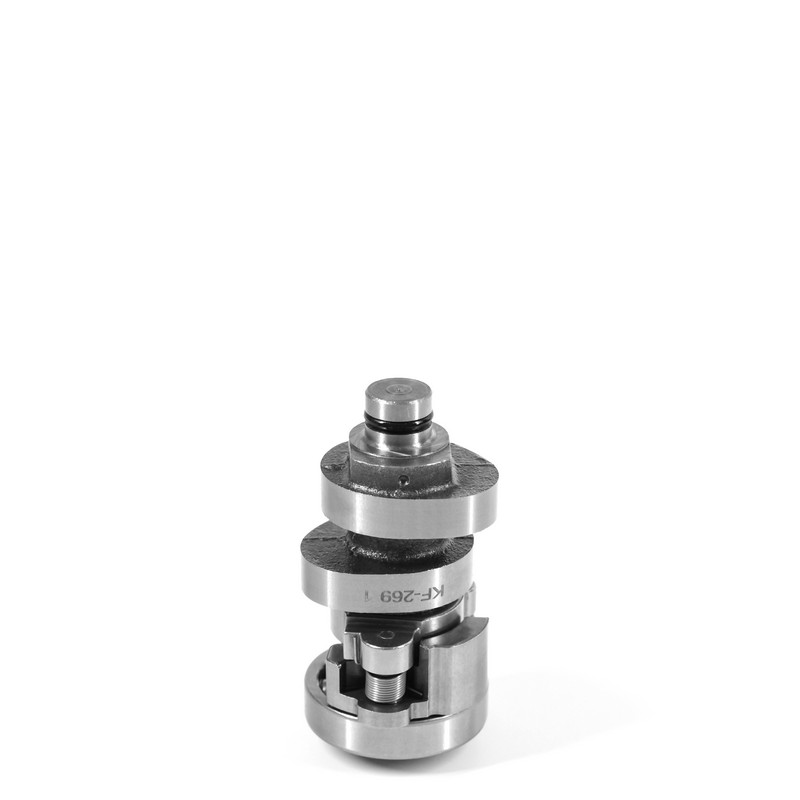
In a single-overhead-camshaft (SOHC) engine, one shaft carries both intake and exhaust lobes, so the distinction applies lobe by lobe rather than shaft by shaft. In a DOHC engine, the two functions are split onto separate shafts, which makes the intake-versus-exhaust question a physical part-selection problem: intake and exhaust shafts carry different part numbers and must be ordered independently. KORBOR’s catalog, for example, lists a Ford engine camshaft as a separate part number from the exhaust-side shaft, exactly as an OEM parts system does.
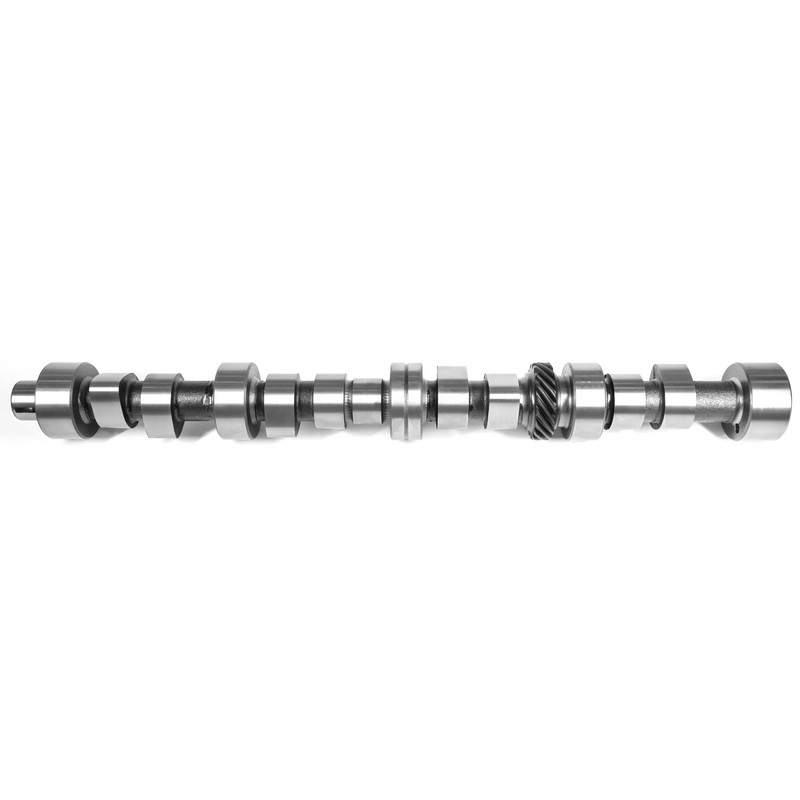 Wholesale Car camshaft-FORD-C7NN6250B Suppliers, Manufacturers, CompanyANHUI KORBOR MACHINERY CO., LTD. Is China Wholesale FORD-Car camshaft-C7NN6250B Suppliers, Manufacturers And Company, We Offer FORD-Car c...View Product →
Valve overlap
Valve overlap is the crankshaft-angle window at the end of the exhaust stroke and the beginning of the intake stroke in which both the exhaust valve and the intake valve are partially open. The outgoing exhaust gas creates a low-pressure wave that helps draw in the fresh charge.
Two physical conditions drive the profile differences. The intake side is flow-limited: the air-fuel column must accelerate through the intake port, so intake lobe lift and opening rate directly control how much charge enters the cylinder. The exhaust side is temperature-limited: it passes the full heat of combustion, and exhaust lobes operate with less lubrication margin because carbon and soot load the valve stem and lobe face.
Intake and exhaust camshafts differ in lobe lift, duration, lobe separation angle, and material treatment, and each of those parameters is tuned separately for flow on the intake side and durability on the exhaust side.
| Parameter | Intake camshaft | Exhaust camshaft |
| Primary job | Draw in air-fuel charge | Purge burned gases |
| Typical lobe lift | 9.5-11.5 mm | 9.0-10.5 mm |
| Typical duration | 220-270 deg | 230-285 deg |
| Heat exposure | Coolant-temperature charge | Direct exhaust gas flow |
| Common wear mode | Lobe polishing, journal scoring | Lobe pitting, surface cracking |
| Late failure sign | Misfire, intake backfire | Overheating, power loss |
Higher intake lift increases valve opening area, which helps fill the cylinder at high rpm. Longer exhaust duration keeps the exhaust valve open later into the overlap window, which improves scavenging at high rpm but can hurt idle quality if overlap grows too large. Production exhaust camshafts therefore tend to carry longer duration, while intake camshafts often carry higher peak lift.
Material choice follows the same logic. Hard chilled cast-iron grades handle abrasive exhaust deposits on the lobe face, while nodular cast-iron grades provide the toughness needed for journals under bending load. KORBOR casts and machines both families on its in-house casting and machining line, from the blank casting stage to the finished ground profile, so the material treatment is matched to the camshaft’s position.
Buying rule of thumb: the intake camshaft controls how full the cylinder gets; the exhaust camshaft controls how clean it empties. If a replacement part is not specified for its position, the entire power curve shifts.
On a DOHC engine, the intake and exhaust camshafts are timed to each other through the timing chain or belt, and the overlap window between the trailing exhaust lobe and the leading intake lobe determines idle quality, low-speed torque, and top-end power.
Each valve event is defined in degrees of crankshaft rotation. The intake camshaft controls intake valve opening before top dead center and intake valve closing after bottom dead center; the exhaust camshaft controls exhaust valve opening before bottom dead center and exhaust valve closing after top dead center. The relationship between those closing points effectively sets overlap.
Typical naturally aspirated DOHC valvetrain numbers
Variable valve timing does not remove the distinction between the two camshafts. A phaser rotates the camshaft relative to the crankshaft to move the overlap window, but the lobe profile itself stays fixed. On engines with phasers on both shafts, the intake cam can be advanced for low-rpm torque and the exhaust cam retarded for high-rpm power, but each shaft still carries its own intake or exhaust profile.
On an engine with variable valve timing, the phaser changes the phase of the camshaft. It does not rewrite the lobe profile that makes an intake cam an intake cam.
You cannot install an exhaust camshaft in the intake position and get normal engine operation, even when the shaft fits the bearing bores and the sprocket bolts on. Mechanical fit is not the same as functional fit.
Swapping the shafts moves every valve event by the difference between the two lobe profiles. The engine will run, but it will run badly in measurable ways:
Swapping camshafts is not the same as advancing or retarding timing with an adjustable gear. A swap replaces one lobe profile with another. Advancing or retarding only changes the phase of the same profile. Never treat one action as the equivalent of the other.
One exception exists. On a few production engines the intake and exhaust camshafts carry identical base profiles, so swapping them does no harm. That must be confirmed from factory service data, not assumed from the outside. Where profiles differ, a deliberate cam swap on a performance build is paired with valve springs, lash adjustment, and ECU calibration, which makes it a tuned modification rather than a drop-in replacement.
Before ordering a replacement, verify the engine code, the camshaft position, the lobe lift, the duration, and the part number against the original shaft, and buy from a supplier that can confirm material grade and heat-treatment consistency.
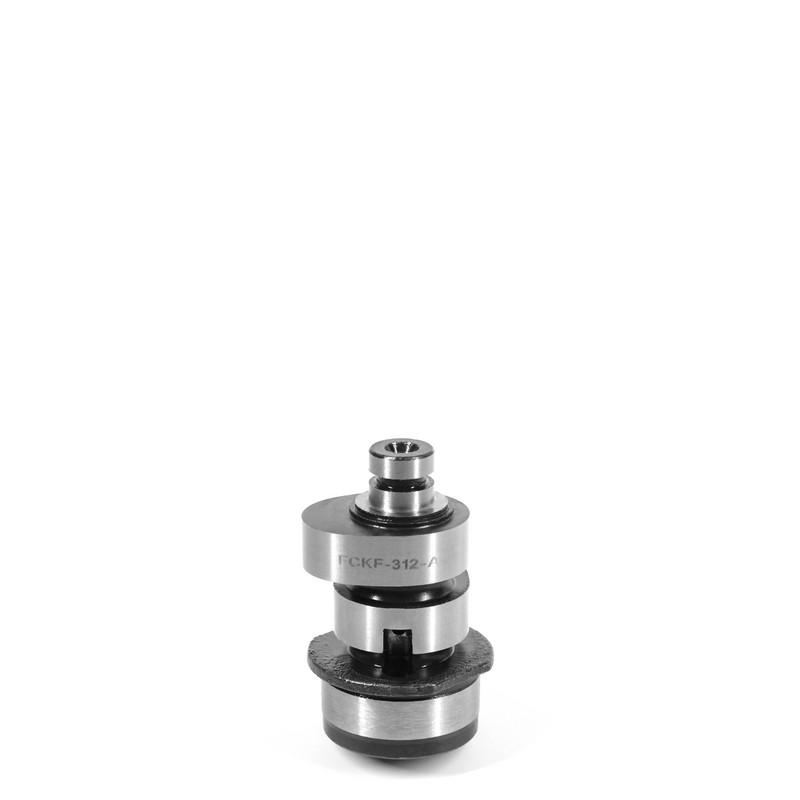
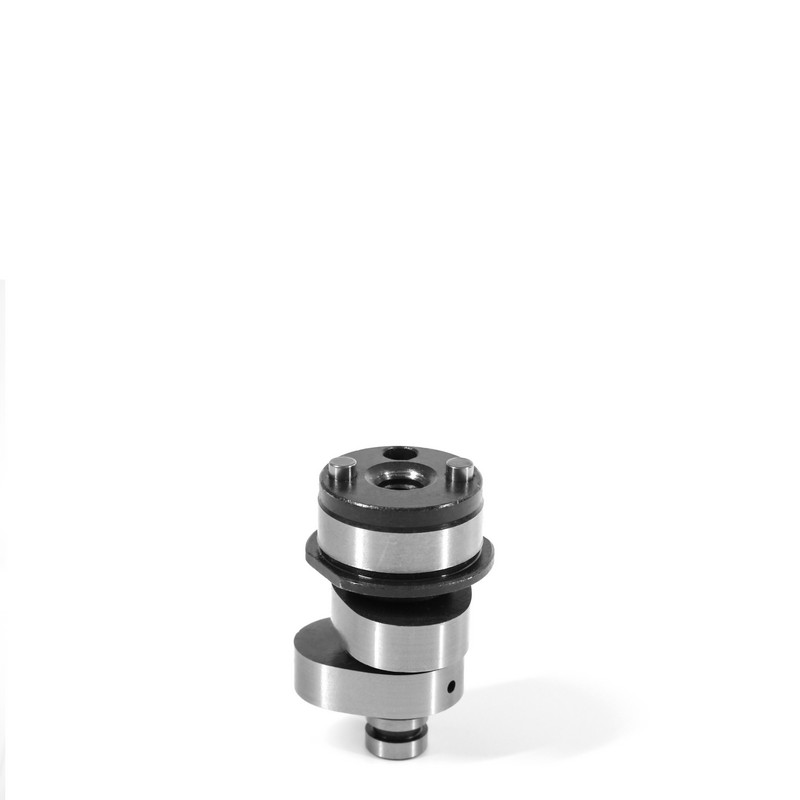
KORBOR organizes car and motorcycle camshafts into separate product families, and the numbering is position-specific. The Nissan camshaft units in the catalog follow the same convention, so the intake shaft and the exhaust shaft can be ordered without ambiguity. Motorcycle DOHC engines work the same way: a rider ordering a Yamaha motorcycle camshaft must confirm intake or exhaust position just like a car owner.
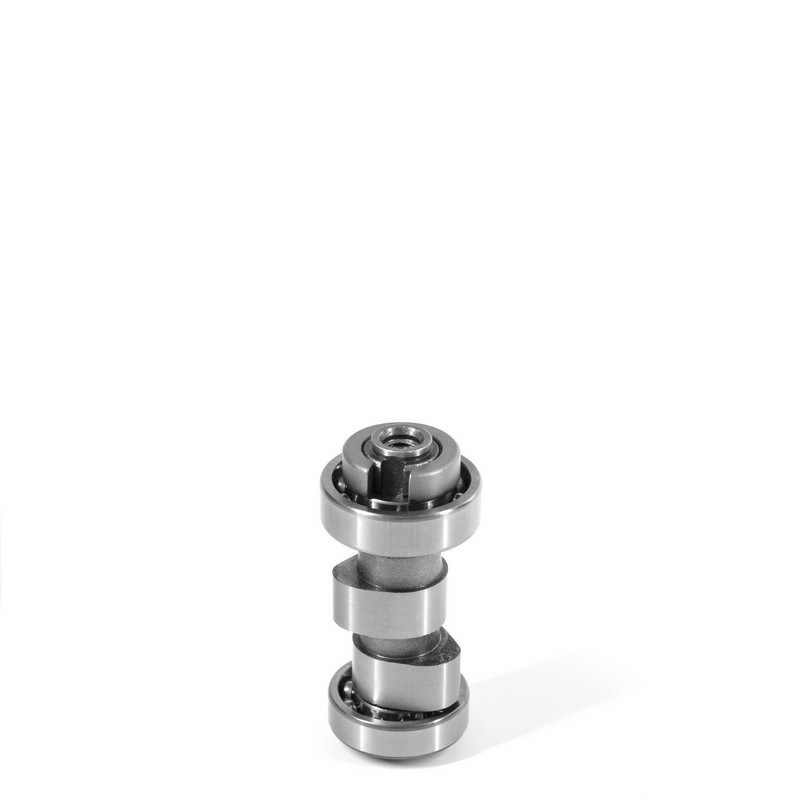 Wholesale Motorcycle camshaft-YAMAHA-4GT-E2170-01 Suppliers, Manufacturers, CompANHUI KORBOR MACHINERY CO., LTD. Is China Wholesale YAMAHA-Motorcycle camshaft-4GT-E2170-01 Suppliers, Manufacturers And Company, We Offe...View Product →
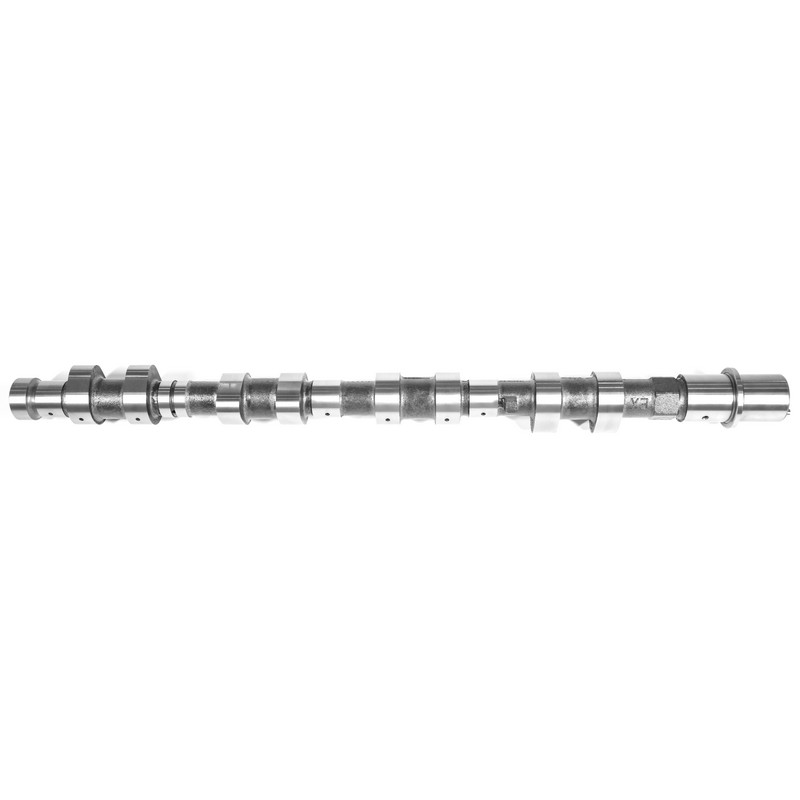 Wholesale Car camshaft-NISSAN-13020AD212 Suppliers, Manufacturers, CompanyANHUI KORBOR MACHINERY CO., LTD. Is China Wholesale NISSAN-Car camshaft-13020AD212 Suppliers, Manufacturers And Company, We Offer NISSAN-...View Product →
Each year KORBOR ships more than 2.3 million camshafts, with batch-level quality control at every production step, so the part number printed on the box matches the profile ground into the shaft.
That level of control matters because a camshaft is the part where material, heat treatment, lobe profile, and journal finish all decide whether the engine stays within spec beyond 100,000 miles. A manufacturer that operates its own casting and machining chain delivers the consistency an aftermarket rebuild depends on.
Only if the factory service data confirms that both shafts share the same lobe profile. When the profiles differ, an exhaust camshaft in the intake position shifts the intake opening and closing points enough to cause rough idle, intake backfire, and lost low-end torque. On a performance build, treat it as a deliberate profile change that requires matching springs and ECU calibration, not as a substitution.
Check the part number etched on the shaft end, the service parts catalog, and the timing marks. Some engines drive auxiliary components from one shaft, which creates visible differences such as a water-pump drive sprocket or a position-sensor reluctor ring. When in doubt, measure lobe lift on both shafts with a caliper and compare the values to the service specification.
Yes. The exhaust camshaft works in a hotter environment with more carbon deposit loading, so lobe pitting and surface cracking appear there first. The intake camshaft more often shows journal scoring and lobe polishing caused by oil contamination. At high mileage, the exhaust shaft is usually the first one that needs replacement.
If the engine suffered a timing-belt failure, valve-to-piston contact, or severe oil starvation, replace both camshafts and the lifters together. Used lifters on fresh lobes wear at an unpredictable rate and can cause repeat failure. With separate intake and exhaust camshafts, a matched pair is two part numbers, not one.
If the engine code, part number, and camshaft position all match the original specification, and the supplier’s quality system is certified, the intake-versus-exhaust question is solved before the shaft leaves the shelf.
provide one-stop service from blank casting to finished product finishing, fundamentally control product stability, to ensure delivery.

 English
 中文简体
 русский
 Español




 闽公网安备35018102000203号
