Article Directory
A camshaft is not a scheduled wear item. With regular oil changes and normal driving, a well-made automobile camshaft routinely lasts between 150,000 and 200,000 miles, and many factory camshafts outlast the engine block itself. If lubrication is neglected, the same camshaft can be ruined much sooner. In short, the camshaft lasts as long as the oil film between its lobes, journals, and valve lifters remains intact.
Industry guidance and real-world engine teardowns agree: 150,000 miles is the point where camshaft wear deserves attention, but it is not an automatic replacement trigger. A camshaft fails from progressive wear of the lobe surfaces and bearing journals, not from age alone. The spread in lifespan comes almost entirely from maintenance and operating conditions.
| Condition | Typical Camshaft Life | What That Means in Practice |
|---|---|---|
| Regular oil changes with the correct grade | 200,000+ miles | The camshaft often outlives the engine and is reused during a rebuild. |
| Average maintenance, mixed city and highway use | 150,000-200,000 miles | Expect measurable lobe and journal wear; inspect on the first major service. |
| Extended oil intervals, heavy loads, frequent short trips | 100,000-150,000 miles | Wear accelerates as the oil loses its film strength and additive package. |
| Lubrication failure or contaminated oil | Sudden scoring or wiped lobes | A single low-oil-pressure event can destroy the camshaft within a few hundred miles. |
Notice that the top two rows describe a camshaft that is effectively a lifetime part. The bottom row is why the same part can have a dramatically shorter life in another vehicle.
Three groups of factors control camshaft life: lubrication, operating conditions, and the quality of the part itself. They matter in that order.
The camshaft lobes slide against followers or lifters under high contact pressure, so the only thing preventing metal-to-metal contact is a thin oil film. That is why the single most damaging habit is running extended oil-change intervals. As oil degrades, its viscosity drops, additives are consumed, and wear metals stay suspended in the sump where they act as abrasive grit. Engines that consume oil also need topping up between changes, because a low oil level is a direct cause of camshaft and valvetrain failure.
Cold starts, constant stop-and-go traffic, very short trips, and towing all push valvetrain wear upward. A cold start leaves the camshaft and lifters with little oil on their surfaces for the first few seconds; repeated cold starts over years are the main cause of accelerated lobe wear. The same applies to engines that sit unused for weeks at a time and are then driven hard before oil pressure has stabilized.
Once maintenance and driving conditions are equal, the remaining difference is the part itself. A camshaft machined from a quality blank, hardened through controlled heat treatment, and finished with a precise surface profile will outlast a weaker part under identical conditions. This is where the in-house casting, heat-treatment, and machining facility of a dedicated camshaft manufacturer matters: when one supplier controls the process from raw blank to finished journal, batch-to-batch hardness and surface finish stay consistent.
Catching camshaft wear early is the difference between replacing one part and rebuilding a cylinder head. Watch for these symptoms:
If you notice a ticking noise and also find particles in the oil, stop driving and have the camshaft inspected. At this stage the repair is usually limited to the camshaft, lifters, and a thorough oil-system flush.
Continuing to drive with a worn camshaft does more than reduce performance. As a lobe loses lift, the valve opens later, closes earlier, and moves less distance. The cylinder burns fuel less efficiently, so the catalytic converter overheats, the affected cylinder receives an over-rich mixture, and combustion deposits form on the valve. In a severe case, a wiped lobe produces enough material to clog the oil pickup screen or an oil-control orifice, which drops oil pressure across the entire valvetrain. If a lobe wears past the point of operation, the engine may not run on that cylinder at all.
The financial difference is significant. Catching wear early means replacing the camshaft, lifters or followers, timing components, and oil. Ignoring it can mean a cylinder-head rebuild, a new catalytic converter, or an engine replacement. For most vehicles, the repair bill is smallest when the warning symptoms appear and largest when the engine finally stops.
If the original camshaft of a high-mileage engine is showing wear, the replacement should be judged on the same qualities that determine the original lifespan: material, heat treatment, surface finish, and dimensional accuracy. The cheapest part on the shelf is rarely the least expensive part in the long term.
First, confirm the material. Chilled cast iron is the standard for mass-production camshafts because its hardened lobe surfaces resist wear well and its machinability keeps cost reasonable. Billet steel camshafts are used for high-lift performance profiles but cost far more. Second, check the hardness specification: a lobe surface that is too soft wears quickly, while one that is too hard can crack. Third, check journal runout and lobe geometry. A camshaft with excessive runout puts uneven load on the bearings and produces a ticking noise shortly after installation.
Working with a manufacturer that follows a documented IATF 16949-certified quality system removes most of this guesswork. The same logic that makes a factory part last either 50,000 or 200,000 miles applies to the replacement part: consistent heat treatment and precise grinding are what determine whether it matches the original material properties.
An OE-style aftermarket camshaft can deliver the same service life as the factory part, provided it is made from the same blank material, hardened by the same process, and machined to the same tolerances. That is why buyers should prefer a dedicated camshaft manufacturer over a general parts distributor, especially for popular engine families. For a Chevrolet engine, a KORBOR KB169 Chevrolet camshaft is a direct replacement option; for Ford applications, the KB317 Ford camshaft follows the same manufacturing route; and for Toyota engines, a Toyota camshaft replacement such as the KB014 is available. All three come from the same production line, which tells you more about quality than any marketing language.
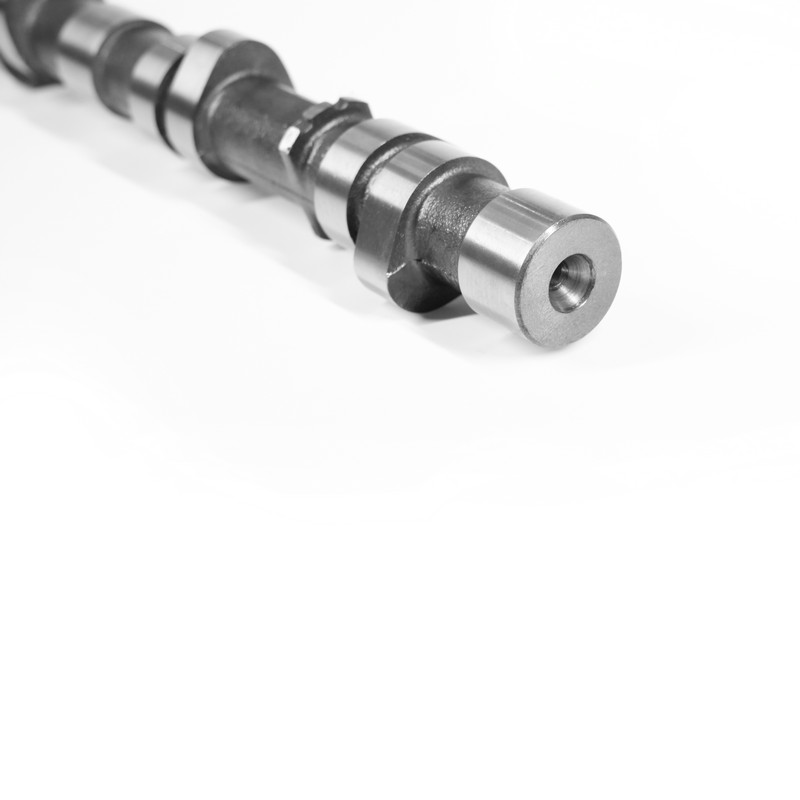 Wholesale Car camshaft-TOYOTA-KB-014 Suppliers, Manufacturers, CompanyANHUI KORBOR MACHINERY CO., LTD. Is China Wholesale TOYOTA-Car camshaft-KB-014 Suppliers, Manufacturers And Company, We Offer TOYOTA-Car ...View Product →
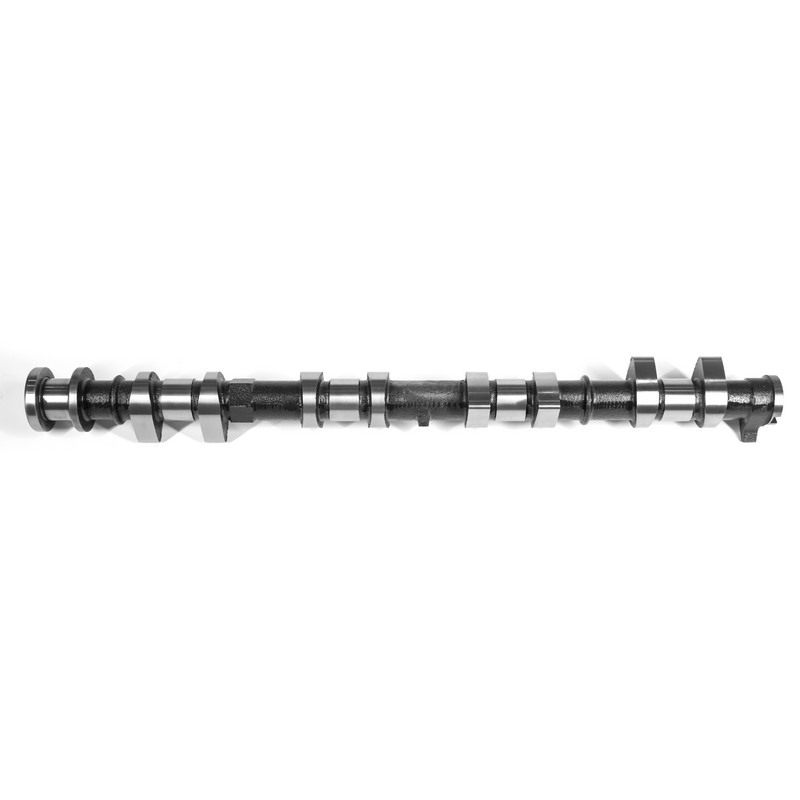 Wholesale Car camshaft-FORD-3S7Z-6250-BA Suppliers, Manufacturers, CompanyANHUI KORBOR MACHINERY CO., LTD. Is China Wholesale FORD-Car camshaft-3S7Z-6250-BA Suppliers, Manufacturers And Company, We Offer FORD-Ca...View Product →
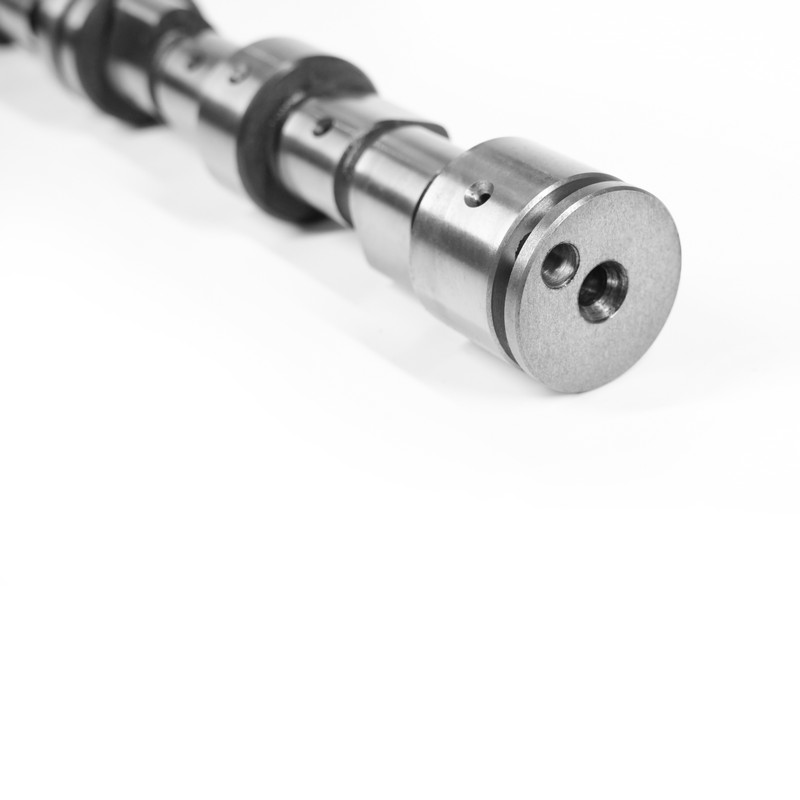 Precision-Engineered Chevrolet Camshaft 92244916 for Engine ValvetrainThe Car Camshaft 92244916 is a precision-engineered OE replacement for Chevrolet vehicles. It ensures optimal valvetrain performance, dur...View Product →
If you are sourcing for a repair shop and are uncertain about the correct profile, confirm the application, engine code, and OEM part number before ordering. Suppliers with 25 years of camshaft-only experience can usually match a replacement correctly from the vehicle identification number or engine code.
A well-maintained automobile camshaft lasts 150,000 to 200,000 miles, and in many cases it outlives the engine. The part only becomes a problem when oil maintenance is neglected, or when a low-quality replacement is installed. Use the correct oil, change it on schedule, listen for valvetrain noise, and check the oil for particles at every service. If replacement does become necessary, choose a camshaft with documented heat treatment and machining from a manufacturer whose entire facility is built around the part. That is the only way to make sure the new camshaft covers the same distance as the original.
provide one-stop service from blank casting to finished product finishing, fundamentally control product stability, to ensure delivery.

 English
 中文简体
中文简体 русский
 Español



 闽公网安备35018102000203号