Article Directory
Three camshaft suppliers delivered samples to a mid-sized engine remanufacturer. Supplier A passed Rockwell hardness on all 12 test pieces. Supplier B produced three lobes with runout exceeding 0.05 mm. Supplier C missed the delivery window by six days. The buyer had no objective framework to weigh these results against each other. Reliable supplier selection begins with a fixed set of technical and commercial criteria, and this article provides exactly that.
Reliability in camshaft manufacturing is defined as the ability to hold material composition, heat treatment, machining tolerances, and quality inspection within the same control limits across every production batch.
The base material determines hardenability. A trace element variance of 0.03 percent in carbon content can shift core hardness by several HRC points. Heat treatment gives cam lobes their wear resistance. The difference between a 100,000-km camshaft and a 250,000-km camshaft is usually in this process. Machining precision affects valve timing, and a 1-degree lobe phasing error can move an engine's performance curve noticeably.
Evaluate suppliers against these four criteria in writing, with sample testing and audit evidence, before you place a volume order.
Forged or chilled cast iron blanks should come from a verified foundry. Ask for the chemical composition certificate for every heat. The supplier should also provide test bars for tensile strength and hardness verification. This is the first place where substandard blanks create long-term warranty risk.
Cam lobe surface hardness should be 55 to 62 HRC for chilled cast iron, with case depth of 1.5 to 3.0 mm for carbonitrided steel shafts. These values must appear in the delivery report. If a supplier cannot disclose heat treatment parameters, move to the next candidate.
Journal outside diameter tolerance should be ISO h6 or better. Runout between bearing journals must stay under 0.03 mm after finish grinding. Ask for a Cpk analysis on lobe profile and journal dimensions. A Cpk value below 1.33 means the machining process is not running in statistical control.
IATF16949 is the baseline certification for automotive camshaft manufacturing. Request the certificate number and verify it with the certifying body. The quality system must cover incoming material inspection, in-process control points, final dimensional checks, and hardness testing. Traceability from finished part to casting heat number is mandatory.
| Criterion | What to Verify | Why It Matters | Red Flag |
| Material chemistry | Certificate for every heat | Controls hardenability and fatigue life | No certificate available |
| Heat treatment | Surface hardness, case depth, microstructure | Determines wear resistance | Hardness varies more than 3 HRC between batches |
| Machining | Runout, journal tolerance, lobe profile data | Sets valve timing and bearing loading | No Cpk data on critical dimensions |
| Quality system | IATF16949 cert, inspection records | Defines batch consistency | No production-level quality plan |
Batch consistency and on-time delivery are just as important as material quality in camshaft manufacturing. A supplier that cannot maintain stable output across 10,000 units will create downstream inventory problems that outweigh any material savings.
Ask for the capacity calendar and current lead time before placing a volume order. A supplier with spare capacity in the right period will state it honestly. One that hides capacity issues will often agree to any schedule and then miss it.
The red flags below will appear in a failed supplier relationship almost every time. If a candidate shows any of them, escalate due diligence before committing.
Use the five-step sequence below to convert supplier promises into verifiable evidence. Each step filters out a different class of failure.
See the quality control approach at Anhui KORBOR Machinery Co., Ltd. for the same audit points from a manufacturer's perspective. The production facility overview demonstrates how vertical integration is built in practice.
Anhui KORBOR Machinery Co., Ltd. has focused on camshafts for 25 years, and the company's production system aligns with the criteria above. It integrates blank casting, heat treatment, and finish machining on one 28,000 square meter site, with 22,000 square meters of workshop space and annual delivery exceeding 2.3 million camshafts. The facility operates under IATF16949:2016 and follows a zero-defect philosophy across 1,400 plus camshaft models.
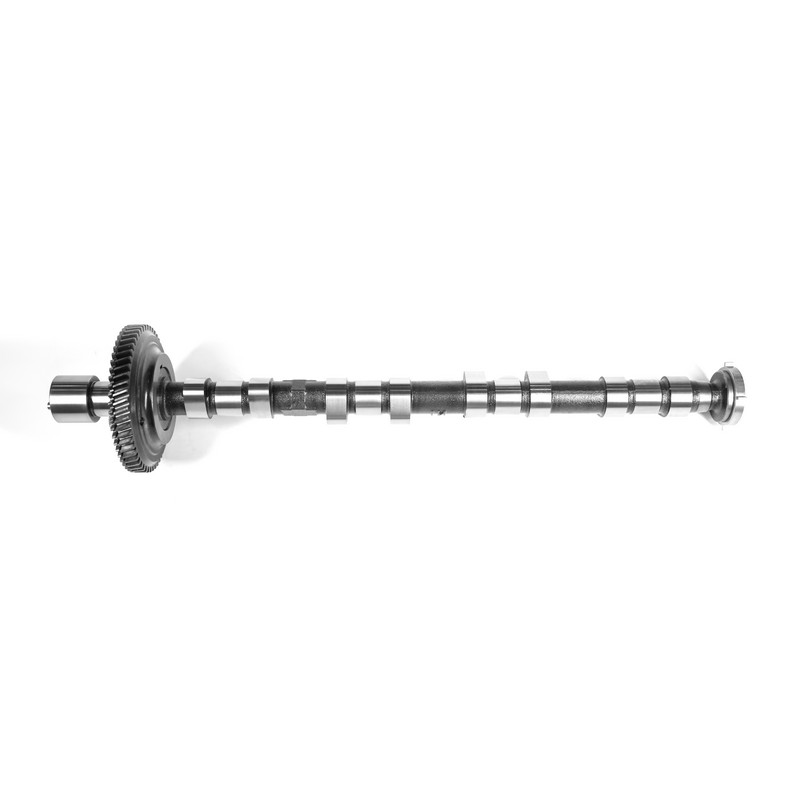
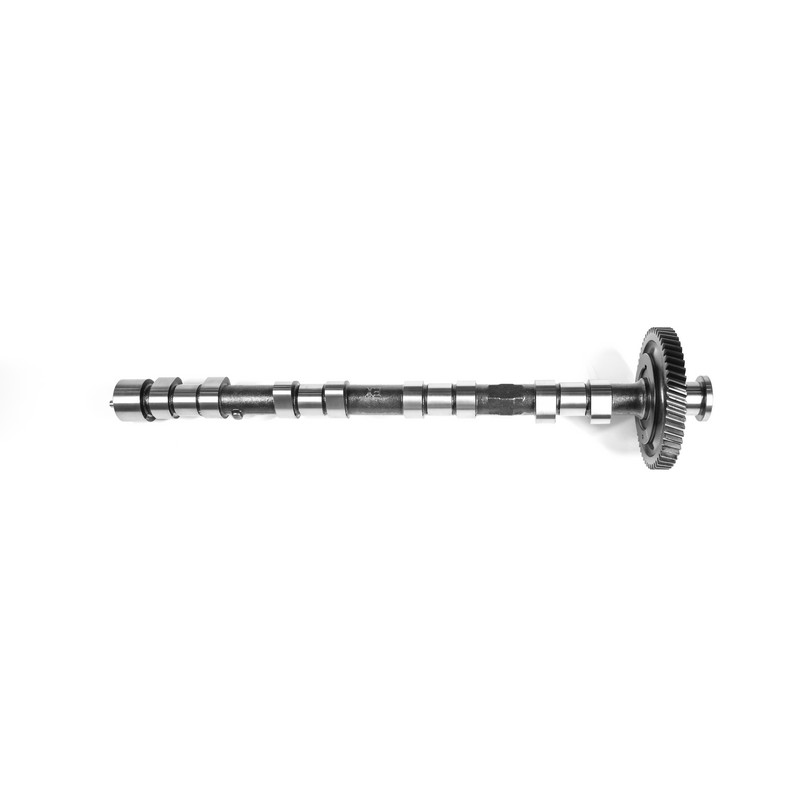
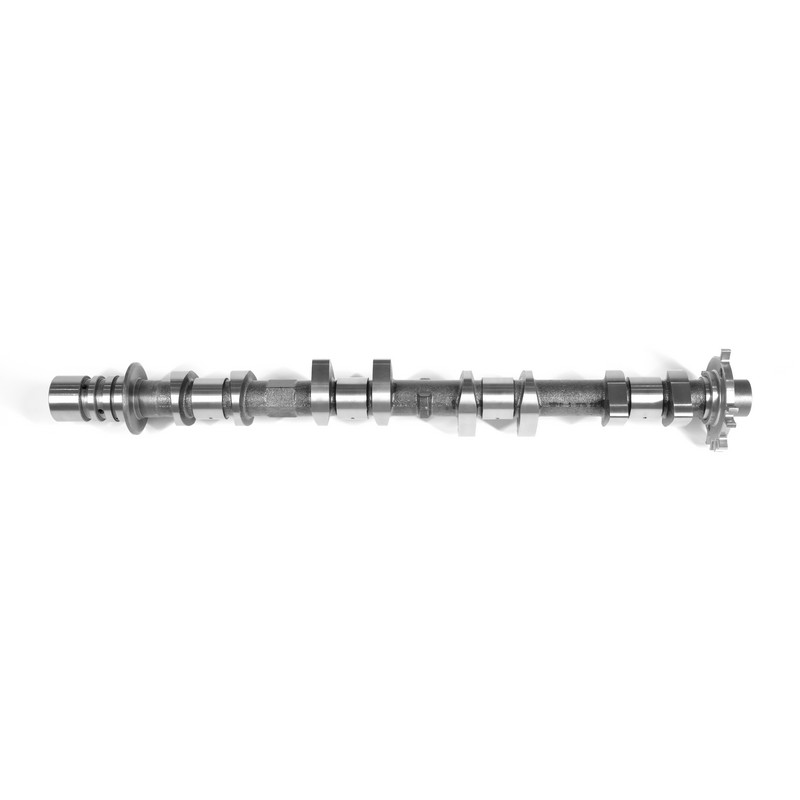
KORBOR produces camshafts for a broad range of automotive engines. Three examples from the product range below show the level of application-specific engineering that buyers should expect from a reliable manufacturer.
 BC3Z6250B6.2L 379Cu. In. V8 FLEX DOHCView Product →
 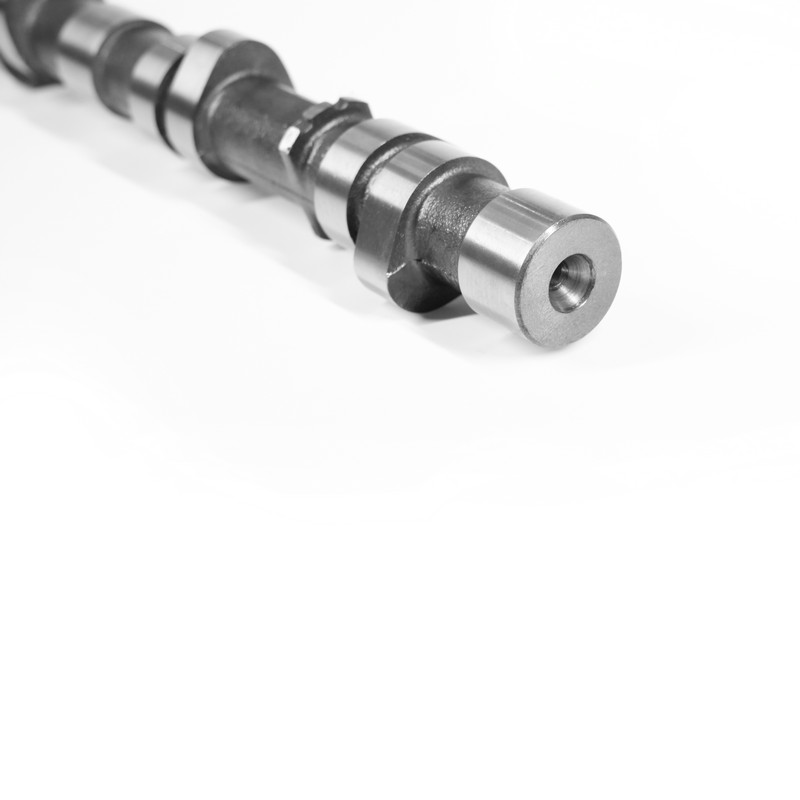 KB-014The Car Camshaft-TOYOTA-KB-014 is a precision-engineered internal combustion engine component designed specifically for Toyota engine valve train systems . This overhe...View Product →
 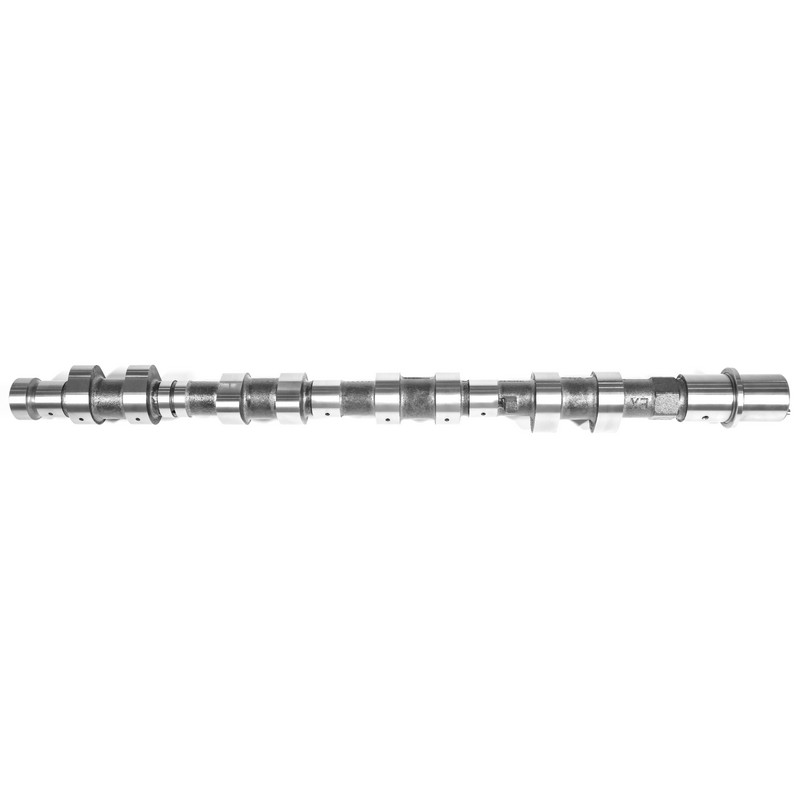 13020AD212L4 2488cc 152 YD25DDTI DIESEL DOHC 16V.ExView Product →
The most important factor is batch consistency, not the first sample. A manufacturer that holds heat-treatment parameters, machining tolerances, and traceability constant across every production run is the one you can trust for volume supply.
Ask for IATF16949 certification, request Cpk data on lobe profiles and journal dimensions, and run a 20 to 50 unit pilot batch with dimensional and hardness reports. Then audit the factory if possible to confirm the quality system is active, not just paper-based.
Chilled cast iron is standard for passenger car and light truck applications. Forged steel or carbonitrided blanks suit high-load or performance engines. The supplier should recommend a material based on your engine's load profile and duty cycle rather than defaulting to one option.
Reliability depends on the supplier's process control, not the country. Camshaft manufacturers in China with IATF16949 certification, a vertically integrated production line, and consistent export experience can produce camshafts to international tolerances and specifications.
provide one-stop service from blank casting to finished product finishing, fundamentally control product stability, to ensure delivery.

 English
 中文简体
中文简体 русский
 Español





 闽公网安备35018102000203号