Article Directory
Imagine an engine that runs fine at idle but loses power above 4,000 rpm, or one that idles so rough that the dashboard vibrates. The ignition system checks out, fuel pressure is correct, yet the problem remains. A surprising number of these cases trace back to a camshaft that is the right brand but the wrong specification for the engine. The practical rule is simple: choose the automobile camshaft after you define how the engine will be used, then verify that the manufacturer can control material and machining quality.
The first decision is not which cam to buy. It is what the vehicle must do. A commuter car driven between 1,500 and 4,000 rpm needs a cam with shorter duration and wider lobe separation, which keeps idle stable and builds torque early. A weekend track car that holds 6,000-7,500 rpm needs longer duration and higher lift to keep the cylinders filling at high speed. A towing truck sits somewhere in between: it wants mid-range torque without sacrificing low-speed drivability. Once you write down the rpm band that matters, the rest of the selection process becomes more logical. Intended use determines camshaft specifications, not the other way around.
Every camshaft card lists the same three core numbers: lift, duration, and lobe separation angle. You do not need to be a race engineer to use them, but you do need to understand how they interact.
Lift refers to how far the valve opens. More lift increases airflow, but only if the valve spring, rocker geometry, and piston-to-valve clearance can support it. For most street engines, a modest increase over the original equipment value is safer than a huge "max effort" lobe. When you read a cam card, look at both gross lift and lift at the valve; the ratio can vary between grinds.
Duration is the amount of crankshaft rotation during which the valve stays open. Manufacturers list duration at 0.050-inch valve lift because that number filters out the gentle opening and closing ramps that differ from profile to profile. As a general guide, shorter duration under 220 degrees at 0.050 inch keeps power below 4,500 rpm. A range of 220-230 degrees moves the power band up to about 5,500-6,500 rpm. Longer durations raise the peak further but soften throttle response at low speed.
Lobe separation angle, or LSA, is the angle between the intake and exhaust lobe centerlines measured in cam degrees. A wider LSA around 112-115 degrees smooths idle, reduces overlap, and works well with modern fuel injection. A narrower LSA around 108-110 degrees increases overlap for top-end power but raises the risk of rough idle and lower manifold vacuum. Choosing an LSA is a compromise; fix your target rpm range first, then choose the angle that suits it.
| Intended Use | Duration at 0.050 in | LSA | Expected Power Band |
|---|---|---|---|
| Daily driving / economy | 200-218 deg | 112-116 deg | 1,500-4,500 rpm |
| Street performance | 220-230 deg | 110-114 deg | 2,500-6,000 rpm |
| Strip / high-rpm use | 235-250 deg | 106-110 deg | 4,000-7,500 rpm |
| Towing / utility | 210-224 deg | 112-116 deg | 1,800-4,800 rpm |
Use this table as a starting point, not a final answer. It clarifies the direction you should go before you compare specific camshaft models.
Besides rpm, the engine architecture decides what a camshaft can safely do. A single-overhead-cam engine with hydraulic lifters and small journals has less room for aggressive opening ramps than a solid-roller race engine with purpose-built valvetrain parts. Turbocharged and supercharged engines also need different profiles than naturally aspirated ones, because boost changes the pressure differential across the valve. Diesel engine camshafts use different material and heat-treatment choices because the injection load and higher cylinder pressure demand more surface hardness.
For that reason, the best approach is to start with a family of proven profiles that already matches the engine family you are working on. In our product range, our Ford replacement camshafts are a common first stop for engine builders who need a dependable OEM-style or mild upgrade profile.
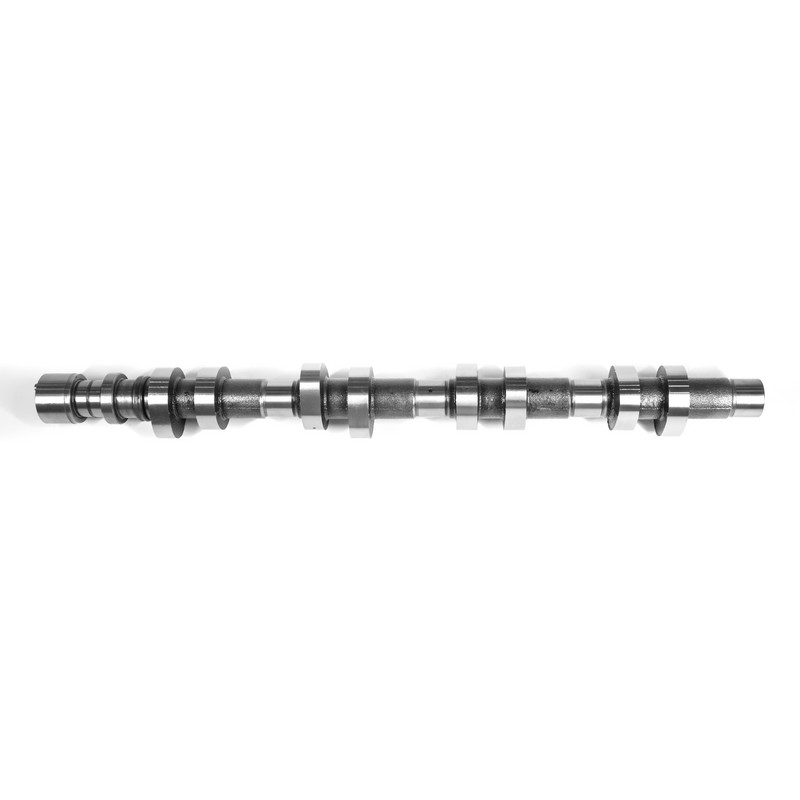
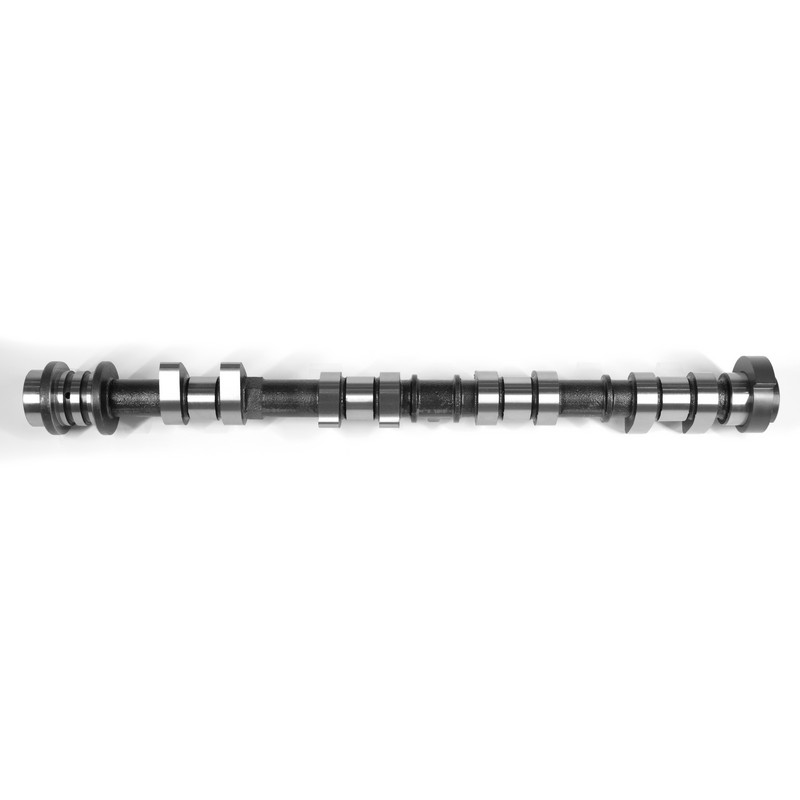 Wholesale Car camshaft-FORD-FD896A267AA Suppliers, Manufacturers, CompanyANHUI KORBOR MACHINERY CO., LTD. Is China Wholesale FORD-Car camshaft-FD896A267AA Suppliers, Manufacturers And Company, We Offer FORD-Car...View Product →
If you are rebuilding a Toyota engine for daily service, the Toyota camshaft options we manufacture cover the low-speed and mid-range behavior that keeps those engines reliable over hundreds of thousands of miles.
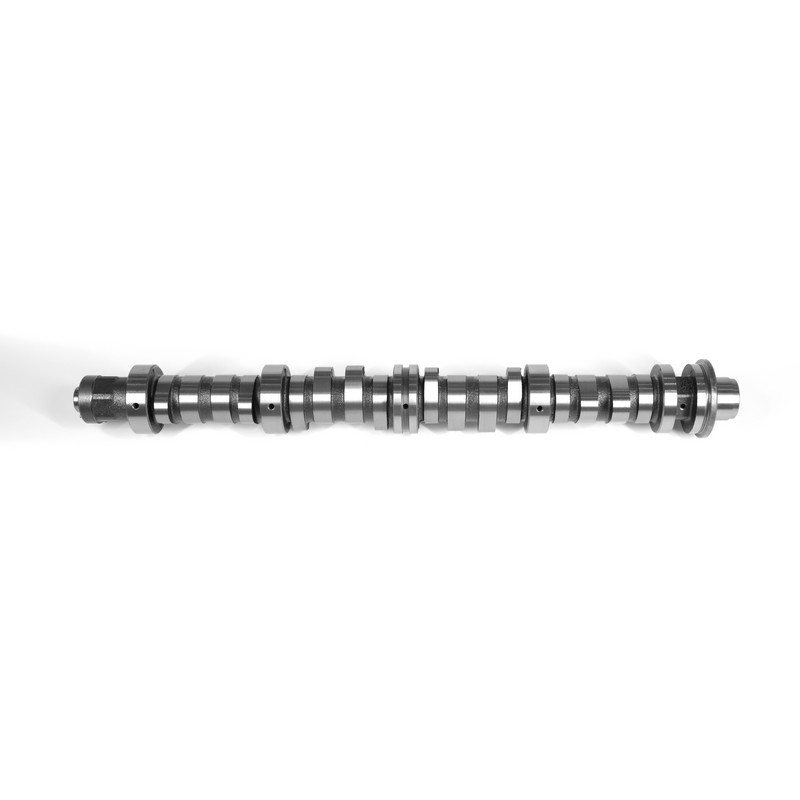
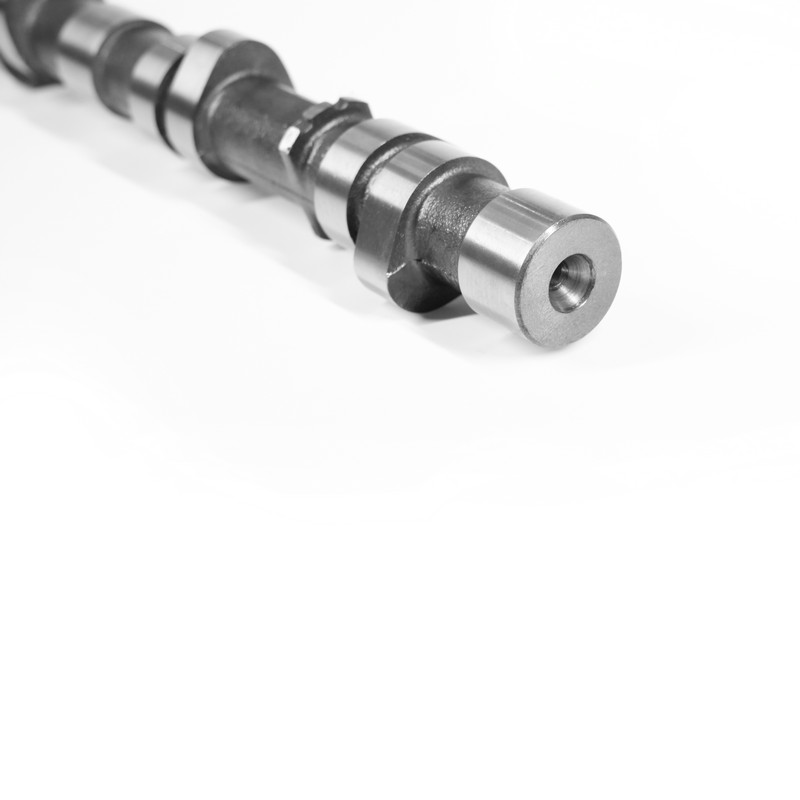 Wholesale Car camshaft-TOYOTA-KB-014 Suppliers, Manufacturers, CompanyANHUI KORBOR MACHINERY CO., LTD. Is China Wholesale TOYOTA-Car camshaft-KB-014 Suppliers, Manufacturers And Company, We Offer TOYOTA-Car ...View Product →
Chevrolet engine builders can look through our Chevrolet camshaft models to find a lobe profile that works with factory rocker ratios and typical street valve springs.
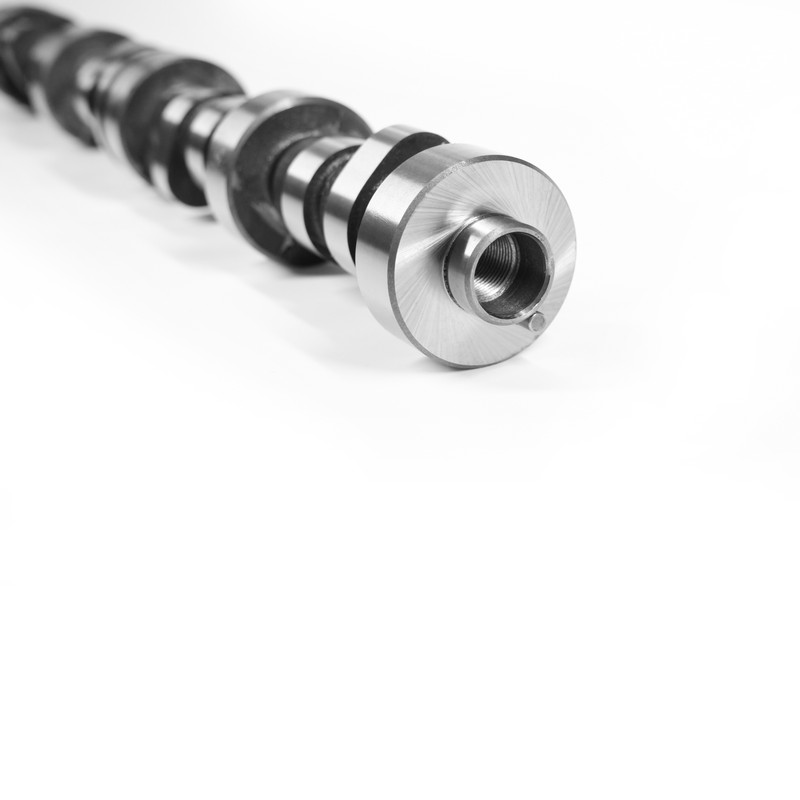 High-Performance Chevrolet KB-552 Camshaft for Enhanced Engine PowerThe Car Camshaft-CHEVROLET-KB-552 is a precision-engineered component designed to optimize valve timing and lift. Enhance your engine's p...View Product →
The best specification in the world will not survive contact with poor material. Cam lobes experience concentrated contact stress against lifters or followers, and the journal surfaces support continuous sliding load. A quality camshaft starts with the right base material: chilled cast iron for many production engines, nodular iron where higher strength is needed, and alloy steel for high-load or turbocharged applications. Heat treatment such as hardening, tempering, and carburizing creates the surface layer that resists wear. That is why you should treat material and machining as part of the selection criteria, not just the numbers on a cam card.
At KORBOR, we have built a manufacturing process that keeps those variables under control. Our multi-layer quality control system is certified under IATF16949 and follows a zero-defect philosophy at every station. The factory takes parts from blank casting all the way to finished machining, so the same team controls hardness, roundness, and journal finish. That kind of integrated manufacturing facility is the difference between a camshaft that lasts and one that wears out in a few thousand kilometers. When you are comparing suppliers, ask about hardness testing, runout control, and batch consistency; those details matter more than a glossy catalog page. It is also worth knowing that KORBOR delivers more than 2.3 million camshafts per year, which means every batch must pass the same repeatable process.
Even with the correct specifications, buyers make the same mistakes again and again. Knowing these will save money and downtime.
A reliable supplier should be able to state the base material, hardness range, and machining tolerance for every camshaft. If they cannot answer those questions clearly, that is a red flag.
Off-the-shelf cams cover the vast majority of production engines. The KORBOR catalog alone includes more than 800 automobile camshaft models, which takes care of most OEM replacement and mild upgrade programs. But if the engine has a changed compression ratio, an altered rocker ratio, or a different redline than the original, a one-size-fits-all lobe will not be enough. That is when a custom camshaft program makes sense. Custom programs start from the same blanks and heat-treatment process, so you are not limited to regrinding a weakened core. The ability to control the full process, from metallurgy to final finish, is why engine shops often prefer working directly with a manufacturer that can do it in-house.
Choosing the right automobile camshaft comes down to five steps. First, define the operating range you actually need. Second, write down the lift, duration, and lobe separation angle that fits that range. Third, match the lobe profile to the engine architecture and valvetrain. Fourth, select a supplier who can prove material quality and machining consistency. Fifth, decide between an existing model and a custom grind. Follow those steps in order, and the next engine you build will not be a victim of the wrong camshaft.
provide one-stop service from blank casting to finished product finishing, fundamentally control product stability, to ensure delivery.

 English
 中文简体
中文简体 русский
 Español



 闽公网安备35018102000203号